
Posted on Leave a comment

Collars and Harnesses: A Must-Have for Safety and Comfort

20220327 131825 rotated

As a pet parent, you want the best for your furry friend. And one of the most important things you need to consider is keeping them safe and secure while you’re out and about. This is where the debate over whether a collar or a harness is better comes into play. But the truth is, your dog needs both.

Collars: The Basics

Collars are the most common form of identification and restraint for dogs. They’re typically made of nylon or leather and come in various colours and styles. Some collars have buckles or clips, while others slip over the head. Collars are often used to attach ID tags, which can help you locate your dog if they get lost.

Why Your Dog Needs a Collar

Your dog needs a collar for several reasons. First and foremost, it’s a legal requirement in many places. Most states require dogs to wear a collar with an ID tag with the owner’s name and phone number. This is important in case your dog gets lost or runs away.

Additionally, collars can be a useful training tool. For example, you can attach a leash to a collar to control your dog’s movements. This is especially important for dogs still learning basic commands like “sit” and “stay.”

Harnesses: The Basics

Harnesses are becoming increasingly popular among dog owners. They’re made of soft, breathable materials and come in various styles, including step-in, overhead, and front-clip. A harness fits around your dog’s chest and attaches to a leash, providing additional support and control.

Why Your Dog Needs a Harness

A harness has many benefits for your dog. First and foremost, it’s a safer and more comfortable option than a collar. This is especially important for dogs with respiratory issues or neck injuries. A harness distributes pressure more evenly across your dog’s body, reducing the risk of injury or discomfort.

A harness can also be a useful training tool. For example, a front-clip harness can help discourage pulling by providing gentle pressure when your dog tries to move ahead of you. This can be especially useful for dogs who are strong or easily distracted.

Why Your Dog Needs Both

While both collars and harnesses have their benefits, the truth is that your dog needs both.

1. Identification

As we mentioned earlier, collars are an important identification for your dog. Even if you prefer to use a harness for walks, your dog should always wear a collar with an ID tag. This will help ensure your dog can be identified and returned to you if lost.

2. Control

While a harness can provide additional control, collars can also be useful in certain situations. For example, if you need to quickly grab your dog to prevent them from running into traffic, a collar can give you a better grip.

3. Variety

Dogs love variety, and switching between a collar and a harness can keep things interesting. It can also help prevent boredom and reduce your dog’s risk of becoming too attached to one item.

Conclusion

Both collars and harnesses have their benefits, and your dog needs both. A collar is important for identification and can be a useful training tool, while a harness is safer and more comfortable for your dog. By providing your dog with both options, you can ensure that they’re safe, secure, and happy.

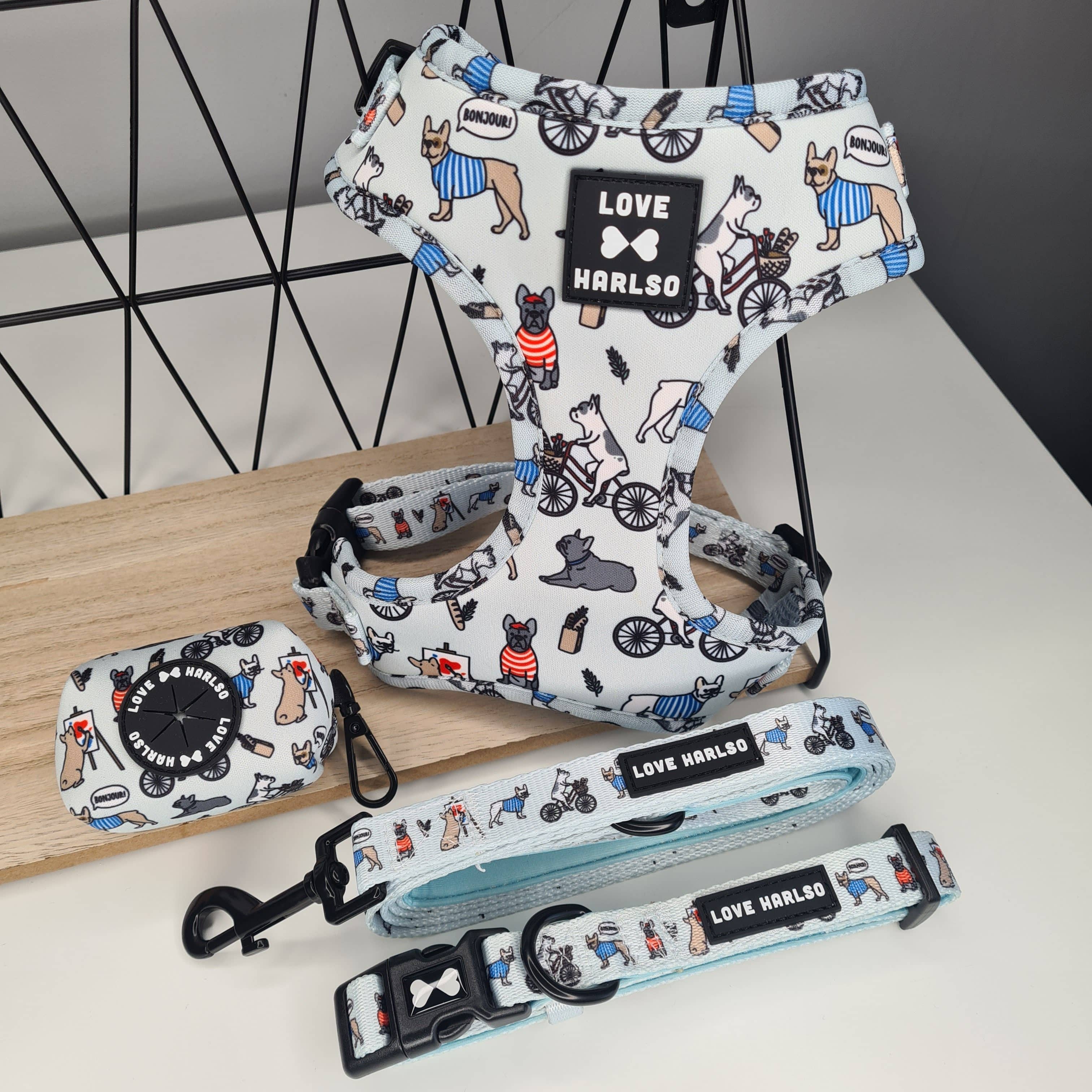
Are you looking for the best dog-lead accessories? Check out Love Harlso’s adjustable dog harness range and fun accessories! We will help keep your furry friend safe and comfortable. So why wait? Shop with us now!

Posted on Leave a comment

The Ultimate Guide to Measuring Your Dog for a Harness

Dog or Donut on Dachshund

As a dog owner, you want to ensure your furry friend is safe, comfortable, and secure in their harness. However, if you don’t measure your dog correctly, you may end up with a too-tight or loose harness, causing discomfort or even injury. In this article, we will guide you on measuring your dog for a harness to ensure a perfect fit.

Why Is a Harness Important for Dogs?

Before we dive into measuring your dog for a harness, let’s understand why a harness is essential for dogs. Unlike a collar, a harness distributes the pressure evenly across the dog’s body, reducing the risk of choking or injuring the neck. A harness is also helpful in controlling your dog during walks, preventing them from pulling or escaping.

How to Measure Your Dog for a Harness

Measuring your dog for a harness is a simple process that can be done at home. All you need is a measuring tape and your dog.

1. Determine the Right Type of Harness

Different types of harnesses are available in the market, such as back-clip, front-clip, and dual-clip harnesses. Each harness serves a different purpose, and the right type of harness will depend on your dog’s size, breed, and behaviour. Consult with your vet or a professional dog trainer to determine the best type of harness for your dog.

2. Measure the Neck

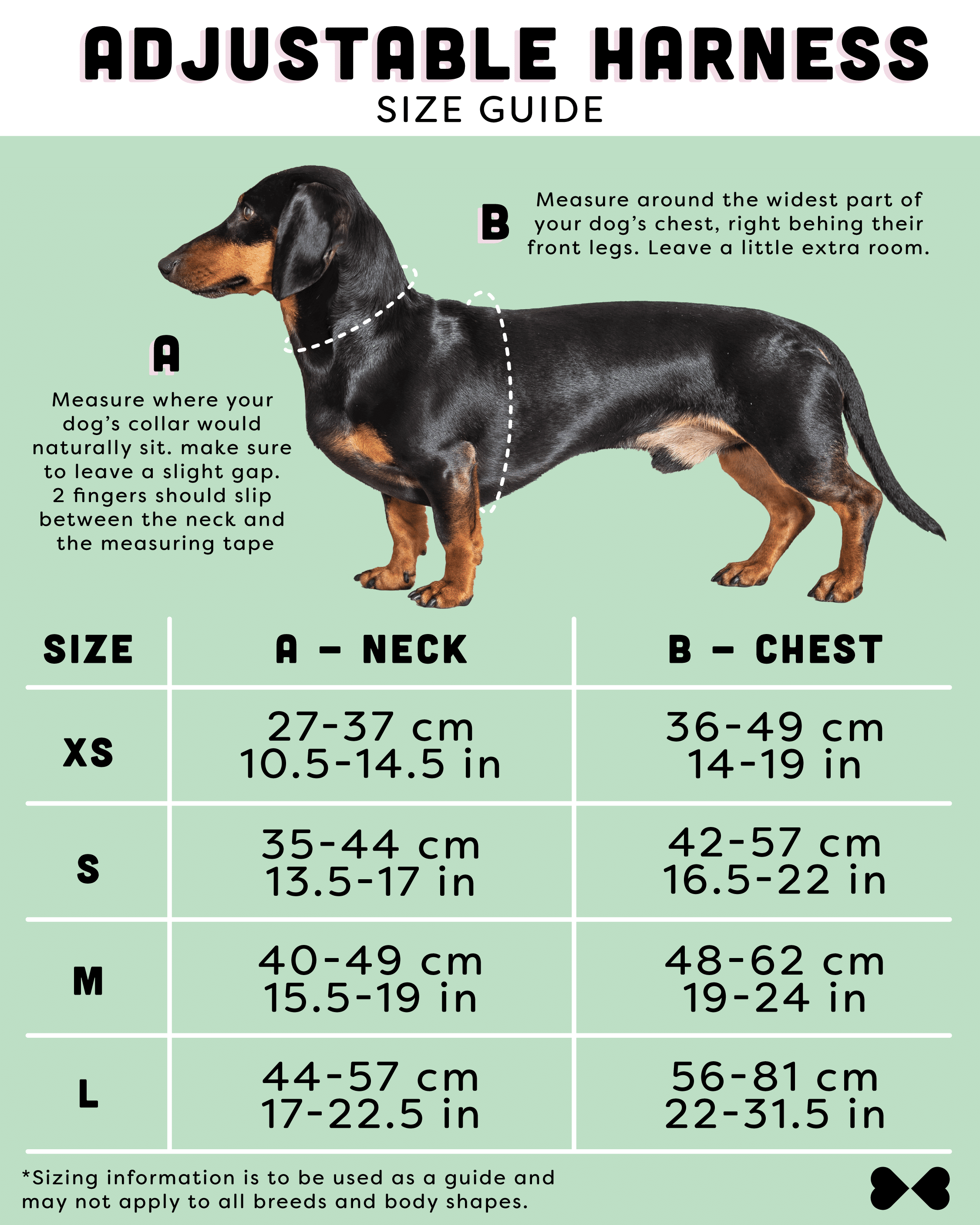
The first measurement you need to take is the neck. To do this, wrap the measuring tape around the base of your dog’s neck, where the collar usually rests. Ensure the measuring tape is snug but not too tight, and record the measurement in inches.

3. Measure the Chest

Next, measure the chest of your dog. Wrap the measuring tape around the widest part of the chest, just behind the front legs. Again, ensure the measuring tape is snug but not too tight, and record the measurement in inches.

4. Measure the Length

Lastly, measure the length of your dog’s body. Start from the base of the neck and measure along the spine to the base of the tail. Ensure that your dog is standing upright and not sitting or lying down. Record the measurement in inches.

5. Check the Harness Size Chart

Once you have all the measurements, refer to the harness size chart of the brand you plan to purchase. Different brands may have different size charts, so check the size chart of the brand you are interested in. Match your dog’s measurements with the size chart to determine the right harness size.

6. Try on the Harness 

After you have purchased the harness, try it on your dog to ensure a perfect fit. Ensure that the harness is snug but not too tight and that you can fit two fingers between the harness and your dog’s skin. Check for any signs of discomfort or chafing, and adjust the harness accordingly.

Perfect Fit, Happy Dog

Measuring your dog for a harness is a crucial step in ensuring their safety and comfort during walks. By following the steps above, you can determine the right harness size for your dog, preventing discomfort or injury. Remember, a well-fitted harness will allow your dog to move freely and happily, making walks an enjoyable experience for both you and your furry friend.

If you’re looking for a high-quality and comfortable adjustable harness for dogs, check out Love Harlso! We offer stylish and functional dog harnesses in different sizes and styles to ensure you find the perfect fit for your dog, as well as other accessories you can rely on as a fur parent. Shop online now!

Posted on Leave a comment

10 Essential Tips for Properly Handling Dog Poop Bags

Love Hearts on Cockapoo

As responsible dog owners, it’s essential to clean up after our furry friends when taking them for a walk. Dog poop bags are an essential accessory in every dog owner’s arsenal, and using them correctly can help to keep our environment clean and safe for everyone. 

In this article, we will discuss ten essential tips for properly handling dog poop bags, ensuring that you and your dog can enjoy your walks without any worries.

1. Invest in High-Quality Poop Bags

When it comes to dog supplies, not all poop bags are created equal. Investing in high-quality, durable bags will ensure that they don’t break or leak, causing a mess and making the process even more unpleasant. Look for accessories that are made with thick, strong materials and are easy to open and separate.

2. Choose Eco-Friendly Options

Many poop bags on the market today are made from materials that are harmful to the environment, taking years to break down in landfills. Opt for biodegradable or compostable bags that will have a minimal impact on the planet. These eco-friendly options are becoming more widely available and affordable, making them an easy choice for environmentally-conscious dog owners.

3. Carry Multiple Bags

When taking your dog for a walk, it’s a good idea to bring more than one poop bag. This way, if your dog goes more than once, or if you come across another dog’s mess that needs cleaning up, you’ll have a spare bag on hand. Carrying extra bags also means you won’t have to cut your walk short if you run out.

4. Keep Bags within Easy Reach

When it comes to handling dog poop, you want the process to be as quick and efficient as possible. Keep your poop bags in a convenient location, such as a dedicated pocket in your coat, or invest in a poop bag dispenser that attaches to your dog’s lead. This way, you can easily access the bags when you need them without having to rummage through your belongings.

5. Use the ‘Inside Out’ Method

To minimise contact with the poop, try using the ‘inside out’ method when picking it up. This involves putting your hand inside the bag, grabbing the poop, and then turning the bag inside out, so the waste is contained within the bag. This method is more hygienic and makes the process of handling dog poop less unpleasant.

6. Tie a Secure Knot

Once you’ve picked up the poop, it’s essential to tie a secure knot in the bag to prevent any leaks or spills. This will also help to contain any odours until you can dispose of the bag properly. Make sure the knot is tight enough so that the waste is secure, but not so tight that it’s difficult to untie later.

7. Dispose of the Bag Correctly

Never leave a used poop bag on the ground or hanging from a tree – this is not only unsightly, but it also poses a risk to other people and animals in the area. Always dispose of the bag in a designated dog waste bin or a regular rubbish bin if there are no specific facilities available. If you’re in a remote area where there are no bins, carry the bag with you until you can dispose of it properly.

8. Wash Your Hands

Even if you’ve used the ‘inside out’ method and tied a secure knot, it’s still essential to wash your hands thoroughly after handling dog poop bags. This will help to prevent the spread of bacteria and keep you and your dog healthy. If you’re out on a walk and don’t have access to soap and water, carry hand sanitiser with you as a backup.

9. Keep a Bag Supply at Home

To avoid running out of poop bags when you need them most, keep a stockpile at home. You can often buy them in bulk or on a subscription basis, ensuring that you always have a supply on hand. This way, you won’t have to rush out to the pet store mid-walk or resort to using plastic bags or other unsuitable materials.

10. Educate Others

As dog owners, we have a responsibility to educate others about the importance of cleaning up after our pets. If you see someone leaving their dog’s mess on the ground, politely remind them to pick it up. You could also consider leaving extra poop bags in your local park or on popular dog-walking routes as a helpful reminder for other dog owners.

Conclusion

Properly handling dog poop bags may not be the most glamorous aspect of dog ownership, but it’s a crucial part of keeping our environment clean and safe for everyone. By investing in high-quality, eco-friendly bags, carrying multiple bags, and keeping them within easy reach, we can make the process as efficient and hygienic as possible. Remember to tie a secure knot, dispose of the bag correctly, and wash your hands thoroughly afterwards. Following these ten essential tips can help us do our part in being responsible dog owners and creating a more pleasant environment for everyone to enjoy.

Are you looking for stylish dog supplies and accessories? Then look no further than Love Harlso! From dog harnesses and leashes to toys, beds and poop bags, we have everything you need to spoil your pup. Let us make your furry friend stand out from the pack! Browse through our products today and your dog the love they deserve!

Posted on Leave a comment

5 Benefits of Choosing Adjustable Harness vs Leash For Dogs

size guide 2 02

Dog owners have plenty of choices when walking their furry friends. Dog owners can choose the right tool, from traditional leashes to retractable models. However, one option that should be considered is an adjustable harness. But what are the benefits of choosing an adjustable harness over a dog leash? Here are some ideas.

What is an Adjustable Harness?

An adjustable harness is a walking accessory designed around a dog’s chest and shoulders. Unlike a traditional leash, which attaches to a dog’s collar, a harness distributes pressure evenly across a dog’s chest and shoulders, which can help prevent injuries and make walking easier for both the dog and the owner. An adjustable harness can be customised to fit a dog’s unique shape and size, making it a versatile and convenient option for dog owners.

1. Better Fit

One of the most significant benefits of choosing an adjustable harness over a leash is that it provides a better fit for dogs. Collars and traditional leashes can put pressure on a dog’s neck, which can cause discomfort and even injury.

On the other hand, an adjustable harness is designed to fit snugly around a dog’s chest and shoulders, making it a more comfortable and secure option. Additionally, an adjustable harness can be customised to fit a dog’s unique shape and size, providing a better fit than a one-size-fits-all leash.

2. Reduces Injuries

Another benefit of using an adjustable harness is that it can help reduce the risk of injuries. When a dog pulls on a leash, the pressure is typically focused on its neck, which can cause discomfort and even damage over time.

A harness distributes the pressure evenly across a dog’s chest and shoulders, which can help prevent injuries and make walking more comfortable for both the dog and the owner. Additionally, an adjustable harness can be tightened or loosened as needed, which means that it can be adjusted to provide the right level of support for a dog’s needs.

3. Discourages Pulling

Many dogs tend to pull on their leash when excited or distracted. This can make walking a challenge for both the dog and the owner. An adjustable harness can help discourage pulling by providing better control over a dog’s movements.

When a dog pulls on a leash attached to a collar, the pressure is typically focused on its neck, encouraging them to pull even harder. A harness distributes the pressure evenly across a dog’s chest and shoulders, which can help discourage pulling and make walking more comfortable for both the dog and the owner.

4. Eliminates Leash Tangles

Another benefit of an adjustable harness is that it can help eliminate leash tangles. When a dog is attached to a leash attached to its collar, the leash can become tangled around its legs or body, which can be uncomfortable and even dangerous. An adjustable harness eliminates this problem by providing a secure and stable attachment point for the leash.

5. Promotes Control

Finally, an adjustable harness promotes better control over a dog’s movements. When a dog is attached to a leash attached to their collar, it can be challenging to control its movements, especially if they’re excited or distracted.

An adjustable harness provides a more secure and stable attachment point for the leash, which can help provide better control over a dog’s movements. Additionally, owners will not have difficulty controlling their dogs, especially when they need to take over.

Conclusion

Choosing an adjustable harness over a leash can benefit dogs and their owners. From a better fit to reduced injuries and more control over a dog’s movements, an adjustable harness is a versatile and convenient option for dog owners. If you’re considering a new walking accessory for your furry friend, consider the benefits of an adjustable harness.

Looking for a range of stylish and fun accessories for your furry friend? Look no further than Love Harlso’s collection of dog accessories and harnesses! Our adjustable harnesses make it easy to find the perfect fit for your pup, and we even have a range of dachshund dog supplies for those adorable long-bodied pups. Browse our collection today and treat your furry friend to a touch of style and comfort.

Posted on Leave a comment

A Fur Parent’s Guide on Harness Training Their Pet Dog

Pigs Might Fly on Jack Russell

As a fur parent, you want to ensure your dog is comfortable and safe while on walks. A harness is a great option to provide more control and prevent injuries, especially for dogs that pull on the leash.

However, some dogs may hesitate to wear a harness for the first time. So, it’s essential to introduce and train your pet to wear a harness properly.

In this guide, we will discuss six essential steps to get you started with dog harness training.

1. Introduce Your Pet to the Harness

Before you start with the actual training, it is crucial to let your pet get familiar with the harness. Begin by placing the harness on the floor and allow your dog to sniff and examine it.

This way, they will recognise that the harness is not a threat. You can also hold the harness in your hands and let your dog sniff it. Remember not to force the harness on your dog at this point, as it could create a negative association.

2. Give Your Pet a Treat When Introducing the Harness

To create a positive association with the harness, give your pet a treat whenever they show interest in it. This will help your dog understand that the harness is a good thing. You can also use verbal praise and petting to reinforce this positive association. Remember to use small, high-quality treats your dog loves to make the experience rewarding.

3. Be Patient

Patience is key when it comes to harness training your pet dog. Some dogs may take longer to adjust to wearing a harness, while others may be more comfortable with it right away. It’s important not to rush the process and allow your dog to progress at their own pace. Never force your dog to wear the harness if they are visibly distressed or uncomfortable, as this could lead to fear and anxiety.

4. Let Your Pet Wear the Harness around the House

Once your dog is comfortable with the harness, you can begin to put it on them. Start by having your pet wear the harness for short periods around the house. This will help them get used to the feeling of wearing a harness without the added stimulation of being outside. Gradually increase the duration that your dog wears the harness until they seem comfortable and relaxed.

5. Associate the Harness with Good Memories

To further reinforce the positive association with the harness, try to incorporate it into your dog’s favourite activities. For example, you can put the harness on your dog before playing fetch or giving them a special treat. This will help your dog associate the harness with fun experiences and make them more likely to enjoy wearing it.

6. Keep Practising

Practice makes perfect, so be consistent with your harness training. Once your dog is comfortable wearing the harness around the house, you can take them for short walks outside. Start with short distances and gradually increase the length of the walks as your dog becomes more comfortable.

Always use positive reinforcement and praise during these initial walks to keep the experience enjoyable for your pet.

Final Thoughts

Harness training your pet dog may take some time and patience, but the benefits are well worth the effort. A well-fitted harness provides better control and reduces the risk of injury compared to a collar. By following these six steps and being patient, your dog will soon be comfortable wearing a harness, making your walks safer and more enjoyable.

For the best adjustable harness for dogs, shop at Love Harlso! Explore our collection of cute and stylish designs that will fit the personality of your pet. Take your pick and place your order now!