

Posted on Leave a comment

Five Helpful Tips for Leash Training Your New Puppy

Dog or Donut on dachshund

Leash training is a vital part of your puppy’s development as it helps them to learn obedience and discipline. It is also an excellent way to bond with your furry friend and get them used to the outside world. However, leash training can be challenging and frustrating, especially if you are a first-time puppy owner. But with the right techniques and a little patience, you can make the process smooth and enjoyable for both you and your puppy. To make things easier for you, here are five helpful tips for leash training your new puppy.

1. Start with the Basics

Before you can start leash training your puppy, you need to teach them basic commands such as “sit,” “stay,” and “come.” These commands will help your puppy to understand what is expected of them during the training process. Teaching these commands should be done in a controlled environment such as your home or backyard where your puppy is familiar and comfortable.

Once your puppy has mastered the basic commands, you can then introduce them to the leash. Start by attaching the leash to your puppy’s collar and allowing them to drag it around the house or backyard. This will help your puppy get used to the weight of the leash without feeling restricted or uncomfortable.

2. Keep Training Sessions Short and Positive

Puppies have short attention spans, so it’s essential to keep training sessions short and positive. Start with short walks around your backyard or a quiet neighbourhood. Gradually increase the time and distance of the walks as your puppy becomes more comfortable and confident.

During training sessions, use positive reinforcement, such as treats and praise, to encourage good behaviour. Avoid using punishment or negative reinforcement as it can cause your puppy to become fearful and anxious.

3. Choose the Right Leash and Collar

Choosing the right leash and collar is crucial to successful leash training. A flat collar is the most common type of collar used for leash training as it is comfortable and secure for most puppies. However, if your puppy is a strong puller or has a tendency to slip out of their collar, you may want to consider a harness.

When choosing a leash, select one that is lightweight and durable. A standard leash length is around six feet, but you may want to consider a shorter or longer leash depending on your puppy’s size and behaviour.

4. Be Patient and Consistent

Leash training is not a quick process, and every puppy learns at their own pace. It’s essential to be patient and consistent with your training, even if your puppy seems to be progressing slowly. Consistency is the key to successful leash training, so be sure to use the same commands and techniques during each training session.

If your puppy becomes distracted or starts to pull on the leash, stop and wait for them to calm down before continuing. Avoid using force or pulling on the leash as it can cause your puppy to become fearful and anxious.

5. Make it Fun

Leash training should be a positive and enjoyable experience for both you and your puppy. Make training sessions fun by incorporating games and rewards. For example, you can play a game of fetch or hide and seek during your walks. You can also reward your puppy with treats or praise for good behaviour.

Remember to take breaks and allow your puppy to explore their surroundings during walks. This will help them to become more comfortable and confident on the leash.

Conclusion

Leash training is an essential part of your puppy’s development, and with the right techniques and a little patience, it can be a fun and enjoyable experience for both you and your furry friend. Start with the basics, keep training sessions short and positive, choose the right leash and collar, be patient and consistent, and make it fun. With these tips, you’ll be well on your way to leash training success!

Love Harlso offers fun and stylish dog harnesses and accessories. If you’re looking for the perfect accessories to make adventures with your dog much easier, we can help you! Our adjustable dog harness range makes it easier to find the perfect fit. Get a free collar when you buy a harness using the code: FREECOLLAR at checkout. Order online today!
Posted on Leave a comment

Go on an Adventure: Essentials for Hiking with Your Pup!

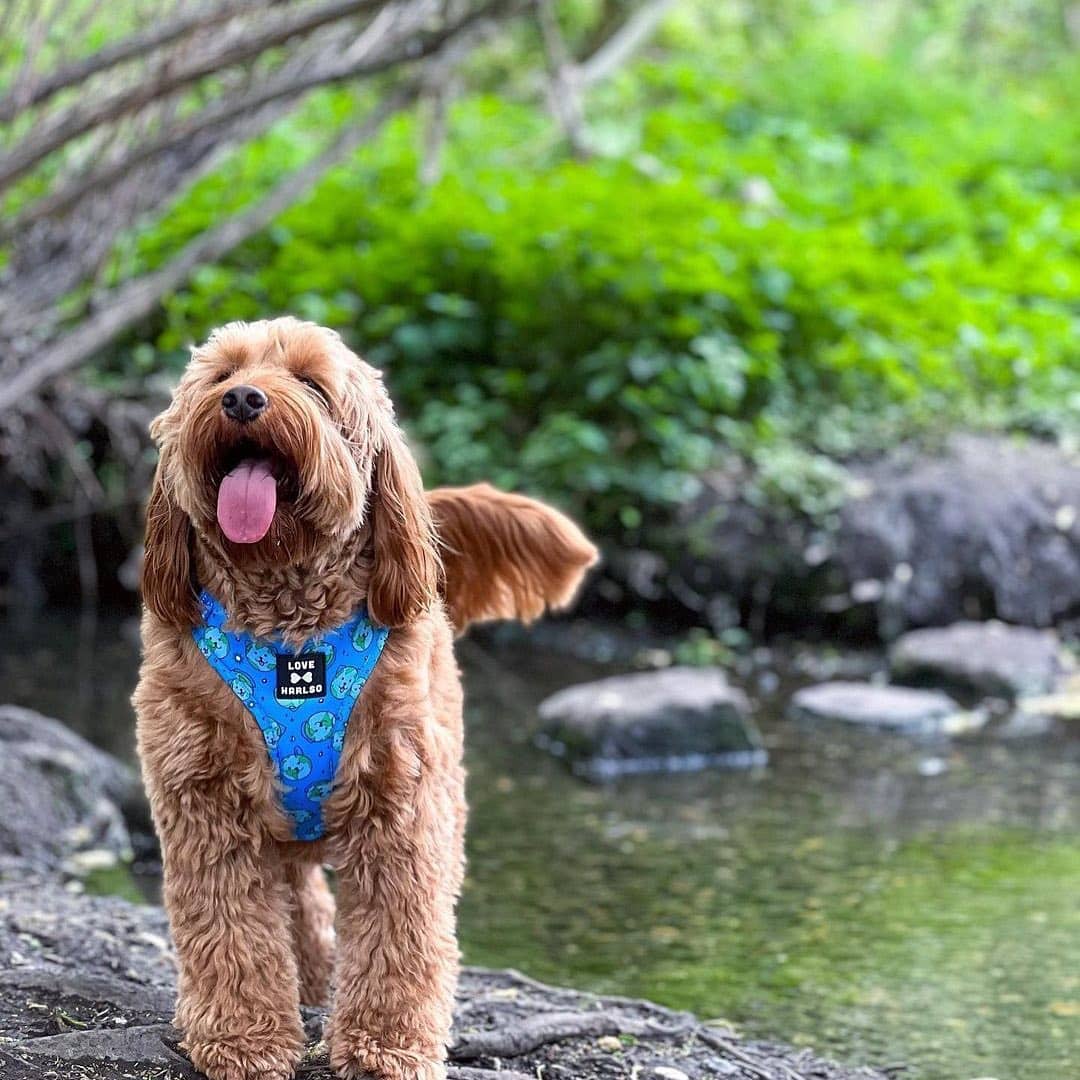
Its A Dogs World on Cockapoo

A hike in the great outdoors is a fantastic way to bond with your furry friend and take in the beauty of the British countryside. While you may have your hiking essentials sorted, ensuring your pup is well-prepared for the adventure is equally important. 

This guide will help you pack the perfect doggy hiking kit, so you can both enjoy a safe and comfortable hike.

1. A Sturdy Lead and Harness

A lead is essential for any dog adventure, and hiking is no exception. Opt for a sturdy, reflective lead to keep your pup safe and visible, especially if you plan to hike during dawn or dusk. A hands-free lead that clips around your waist will allow you to maintain control while having your hands free to navigate tricky terrain. 

Pair the lead with a comfortable, adjustable harness that distributes pressure evenly across your dog’s chest and shoulders rather than its neck. This will help prevent injury and ensure your pup has a comfortable hike.

2. Collapsible Food and Water Bowls

Hydration is key for both you and your dog during a hike. Bring collapsible food and water bowls for your pup to ensure they stay well-fed and hydrated throughout the day. 

These lightweight, portable bowls can easily be clipped to your backpack or dog’s harness, so they’re always within reach.

3. High-quality Food and Treats

Hiking can be physically demanding for your dog, so it’s important to provide them with high-quality, energy-dense food to keep them going. 

Pack enough food for your hike, and consider bringing some high-protein treats to reward your pup for a job well done. 

Treats can also be used as a distraction or to encourage your dog to keep moving if they become tired or lose interest.

4. First Aid Kit

Just like humans, dogs can encounter minor injuries while hiking. Ensure you pack a canine-specific first aid kit to address any potential issues. This should include antiseptic wipes, gauze, adhesive tape, tweezers, and a tick-removal tool. 

It’s also a good idea to familiarise yourself with basic canine first aid techniques to know how to respond in an emergency.

5. Doggy Backpack

Consider investing in a doggy backpack if your canine companion is a medium to large-sized breed. This will allow your pup to carry some of their supplies, such as food, water, and collapsible bowls. 

Make sure the backpack fits comfortably and securely on your dog, and keep them manageable. Start with a light load and gradually increase it as your dog becomes accustomed to carrying the backpack.

6. Poo Bags and Trowel

Nobody enjoys stepping in a dog mess, so make sure you’re a responsible dog owner and clean up after your pup. Pack plenty of poo bags and a small trowel to bury your dog’s waste if necessary. This keeps the trails clean for other hikers and helps protect the environment and local wildlife.

7. Protective Gear

Depending on the terrain and weather conditions, your dog may need protective gear during your hike. Dog boots can protect their paws from sharp rocks, hot surfaces, and icy trails. A waterproof, reflective coat will help keep your pup warm and dry during wet or cold hikes and increase their visibility to other hikers and wildlife.

8. ID Tags and Microchip

If you become separated from your dog during your hike, they must have up-to-date identification. Ensure your dog is wearing a collar with a secure ID tag, and consider having them microchipped for added security. This will make it much easier for you to reunite with your furry friend if they get lost.

Conclusion

Hiking with your dog is a fantastic way to explore the British countryside and strengthen the bond between you and your pup. 

By packing these essential items and preparing your dog for the adventure, you can ensure a safe, enjoyable, and memorable experience for both of you. 

So lace up your hiking boots, grab your doggy backpack, and hit the trails with your best friend!

Love Harlso offers fun and stylish dog harnesses and accessories. If you’re looking for the perfect accessories to make adventures with your dog much easier, we can help you! Our adjustable dog harness range makes it easier to find the perfect fit. Get a free collar when you buy a harness using the code: FREECOLLAR at checkout. Order online today!
Posted on Leave a comment

A Guide to Choosing the Right Harness for Your Dog

Dog or Donut on Dog

As a dog owner, you want to make sure that your furry friend is comfortable and secure during walks or any outdoor activities. One important piece of equipment you will need to purchase for your dog is a harness. It’s an excellent alternative to a traditional collar, offering more control over your dog while reducing the risk of injury or discomfort.

Why Choose a Harness?

A harness distributes pressure evenly across your dog’s chest and back, which is especially important for dogs who pull or have respiratory conditions. Conversely, a collar puts pressure on the neck, causing choking, gagging, or even damage to your dog’s trachea.

Additionally, harnesses allow you to control your dog’s movement and direction, making it easier to train them to walk on a leash. Additionally, harnesses provide a secure attachment point for a seatbelt, ensuring your dog’s safety during car rides.

Different Types of Harnesses

  • Back-Clip Harness: The leash attachment point is located on the back of the harness, making it easy to put on and take off. This type of harness is suitable for dogs who walk calmly on a leash.
  • Front-Clip Harness: This type of harness has a leash attachment point at the front of the chest, which helps discourage pulling by redirecting your dog’s attention.
  • Dual-Clip Harness: As the name suggests, this harness has two leash attachment points – one at the front and another at the back. This type of harness provides greater control and flexibility during walks, training, and other activities.
  • Step-In Harness: This type of harness is designed to be stepped into by the dog, making it easy to put on and take off. It typically has two loops around the dog’s legs and a strap across the dog’s chest or back.
  • Vest Harness: A vest harness covers the dog’s chest and back, providing more coverage and support than a traditional harness. It can also be used to keep the dog warm in colder weather.

Key Considerations When Choosing a Harness

  • Size and Fit: The harness should fit correctly and comfortably on your dog. Check the sizing chart and measure your dog’s chest and neck before purchasing.
  • Type of Harness: Take into account the kind of harness that will work best for your dog’s needs and behaviour.
  • Material: Look for a harness made of durable and comfortable material that will not rub or irritate your dog’s skin.
  • Leash Attachment: Consider the location and number of leash attachment point to determine the level of control and flexibility you need.
  • Ease of Use: Pick a harness that is easy to put on and take off, especially if you have a wiggly or anxious dog.
  • Reflective Features: If you plan to walk your dog at night or in low light conditions, choose a harness with reflective features to increase visibility and safety.
  • Price: While price is not always an indicator of quality, think about your budget and compare prices. Find a harness that is affordable and meets your needs.  

In Summary

When choosing a harness, consider your dog’s size, breed, and activity level. Look for a harness with adjustable straps and a comfortable fit, and make sure it is easy to put on and take off. Consider whether you need a front-clip or back-clip harness depending on your dog’s behaviour during walks. With the right harness, you can ensure your dog is safe and comfortable during any outdoor activity.

Love Harlso proudly offers a wide selection of dog harnesses that are specially designed with your dog’s comfort and safety in mind. Our harnesses are adjustable, easy to use, and come in a variety of sizes and styles to fit any breed and activity level. Shop online to find the perfect harness and accessories for your furry friend!

Posted on Leave a comment

Harnessing the Power of Comfort for Your Furry Friend

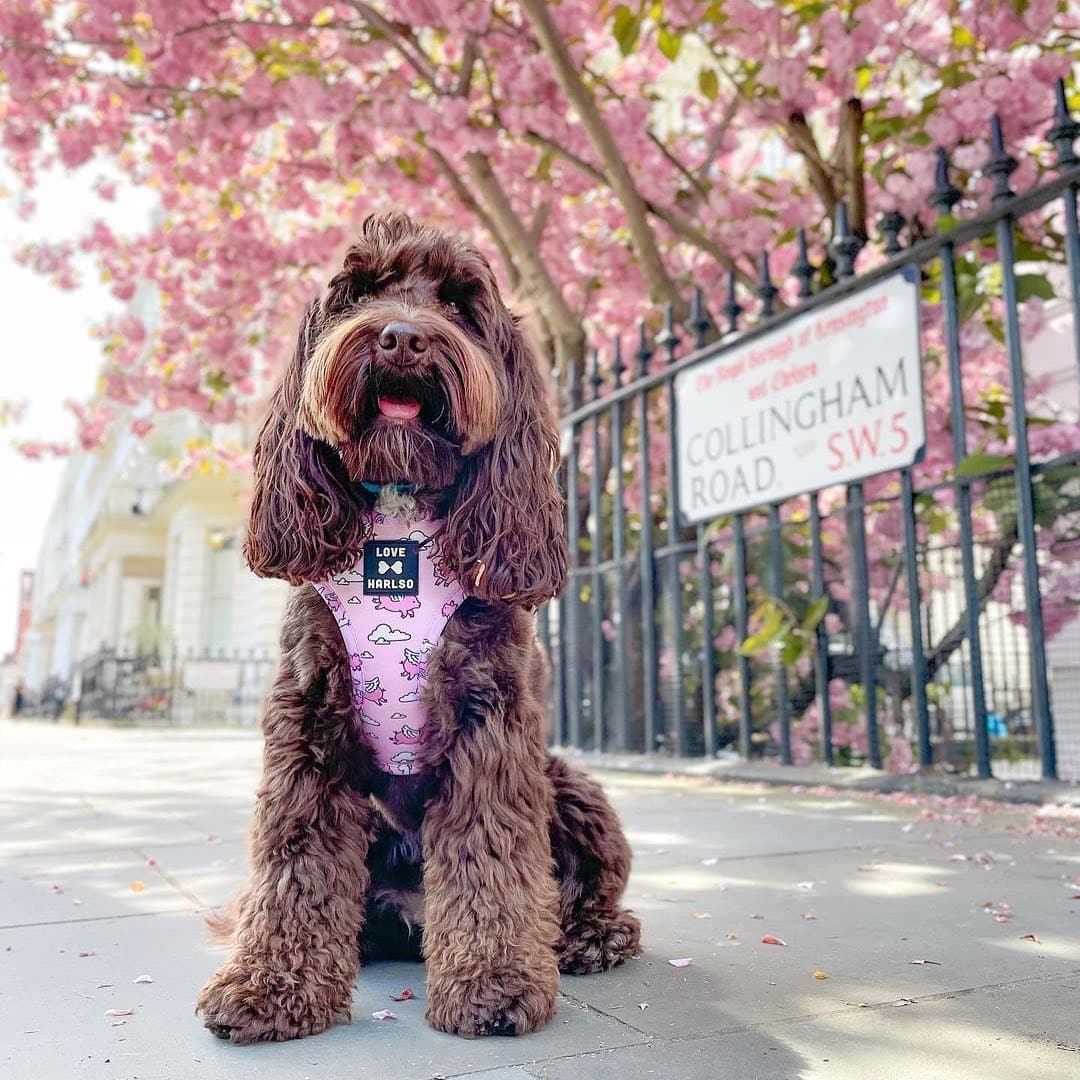
Pigs Might Fly on Cockapoo

Walking your dog is not only a great way to ensure they get enough exercise, but it’s also an excellent opportunity for bonding. However, when it comes to choosing a leash, many dog owners opt for collars. While collars might be a popular choice, they’re not always the best option. In fact, there are several reasons why your dog should walk on a harness instead of a collar.

Prevents Choking and Breathing Issues

One of the most significant advantages of using a harness is that it prevents choking and breathing issues. When walking your dog on a collar, it puts pressure on their neck, which can cause breathing difficulties and even choking. This is especially true for dogs that tend to pull on their leash. In contrast, a harness distributes the pressure across your dog’s chest, which is much safer and more comfortable for your dog.

Reduces Risk of Injury

Another benefit of using a harness is that it reduces the risk of injury. When your dog pulls on a collar, it can cause strain on their neck, which can lead to injuries such as muscle strains, tracheal collapse, and even spinal cord damage. A harness, on the other hand, distributes the pressure across your dog’s body, reducing the risk of injury.

Helps Control Pulling

If your dog is a strong puller, walking them on a collar can be a challenge. Fortunately, a harness can help control pulling. Harnesses are designed to discourage pulling by redirecting your dog’s energy and providing better control. This can make walks much more comfortable for both you and your dog.

Provides Better Control

In addition to helping control pulling, harnesses also offer better control overall. Collars can slip off or get tangled, making it difficult to manage your dog. Harnesses, on the other hand, are much more secure and provide better control, which is especially important if you have a large or strong dog.

Ideal for Small Breeds

For small breeds, collars can be particularly dangerous. Small dogs are more delicate than larger breeds, and a collar can put too much pressure on their necks, leading to injury. A harness is a much safer option for small breeds, as it distributes the pressure across their chest and back.

Comfortable for Long Walks

If you enjoy long walks with your dog, a harness is a much more comfortable option. Collars can rub against your dog’s skin and cause irritation, especially on longer walks. Harnesses, on the other hand, are designed to be comfortable, even on longer walks, making them an ideal choice for those who like to explore the great outdoors with their furry friend.

Helps Train Your Dog

Finally, harnesses can also be useful for training your dog. If your dog is new to walking on a leash, a harness can help them get used to the sensation without causing discomfort or injury. Additionally, harnesses can be used to train your dog to walk calmly and politely on a leash, making walks much more enjoyable for both you and your dog.

Conclusion

While collars might be the go-to choice for many dog owners, a harness is a much safer and more comfortable option. Harnesses help prevent choking and breathing issues, reduce the risk of injury, control pulling, provide better control overall, and are ideal for small breeds and long walks. Additionally, they can be useful for training your dog. If you’re considering using a harness for your furry friend, there are many options available on the market, so be sure to choose one that fits your dog properly and is comfortable for them to wear.

Looking for a stylish and comfortable dog harness? Look no further than Love Harlso! Our adjustable dog harnesses are the perfect fit for your furry friend. Upgrade your pup’s look and comfort with Love Harlso dog harnesses today!

Posted on Leave a comment

Dog Harness Fitting 101: How to Measure for Comfort & Safety

20210528 174121 rotated

As a responsible dog owner, you want to ensure your furry friend is safe and secure during walks and outdoor activities. One way to do this is using a harness instead of a collar, as it distributes the pressure of the leash across your dog’s chest and back, reducing the risk of injury or choking.

However, it’s important to measure your dog correctly to ensure the harness fits properly and doesn’t cause discomfort or rubbing. Here are the steps to measure your dog for a harness:

1. Choose the Right Harness Type

There are several types of harnesses available, each with its own unique design and purpose. The most common ones include standard harnesses, no-pull harnesses, front-clip harnesses, and back-clip harnesses.

It’s important to choose the right type of harness for your dog’s size, breed, and behaviour. For example, a no-pull harness is ideal for dogs that tend to pull on the leash, while a back-clip harness is suitable for small or calm dogs.

2. Measure the Dog’s Neck

The first step is to measure the circumference of your dog’s neck, where the collar usually sits. Use a soft measuring tape or a piece of string and then measure it against a ruler. Make sure to measure loosely, as you want to ensure that the harness is not too tight around your dog’s neck. Write down the measurement in inches or centimetres.

3. Measure the Dog’s Chest

Next, you must measure the widest part of your dog’s chest, just behind the front legs. This is where the harness will sit, and it’s essential to get an accurate measurement to ensure a snug fit.

Again, use a soft measuring tape or a string and then measure it against a ruler. Make sure not to pull the tape too tightly, as you want to allow room for your dog to breathe and move comfortably. Write down the measurement in inches or centimetres.

4. Check the Sizing Chart

Once you have the measurements, you’ll need to check the sizing chart provided by the harness manufacturer. Each brand may have slightly different measurements, so it’s essential to follow their guidelines to find the right size for your dog. The sizing chart will typically include the neck and chest measurements, weight range and breed suggestions. Take note of the recommended size for your dog and double-check that it matches your measurements.

5. Fit the Harness on Your Dog

Once you have the right size harness, it’s time to try it on your dog. Make sure your dog is calm and relaxed, and then slip the harness over their head and clip the buckles around their chest. 

Adjust the straps as needed to ensure a snug fit, but not too tight that it restricts your dog’s movement or breathing. You should be able to fit one or two fingers between the harness and your dog’s skin. Once the harness is fitted correctly, attach the leash to the appropriate clip and take your dog for a walk to test it out.

6. Check for Signs of Discomfort

After your walk, check your dog for any discomfort or rubbing from the harness. Look for areas of redness, irritation, or hair loss, which could indicate that the harness is too tight or rubbing in certain areas. If you notice any issues, adjust the straps accordingly and try again. It may take a few tries to get the perfect fit, but it’s worth it to ensure your dog’s safety and comfort.

Final Thoughts

Measuring your dog for a harness is a simple process that can make a big difference in your dog’s safety and comfort during walks. By choosing the right type of harness and following the steps to measure your dog correctly, you can ensure that the harness fits snugly and doesn’t cause discomfort or rubbing.

Remember to check the sizing chart and make adjustments as needed, and always monitor your dog for signs of discomfort or irritation. With the right harness and a proper fit, you and your furry friend can enjoy many happy and safe walks together.

If you want to ensure your dog is comfortable with their harness, check out Love Harlso and our adjustable harness for dogs! With its added features, you’ll find the right fit for your furry friend. Choose among our best styles and designs, and place your order now!