

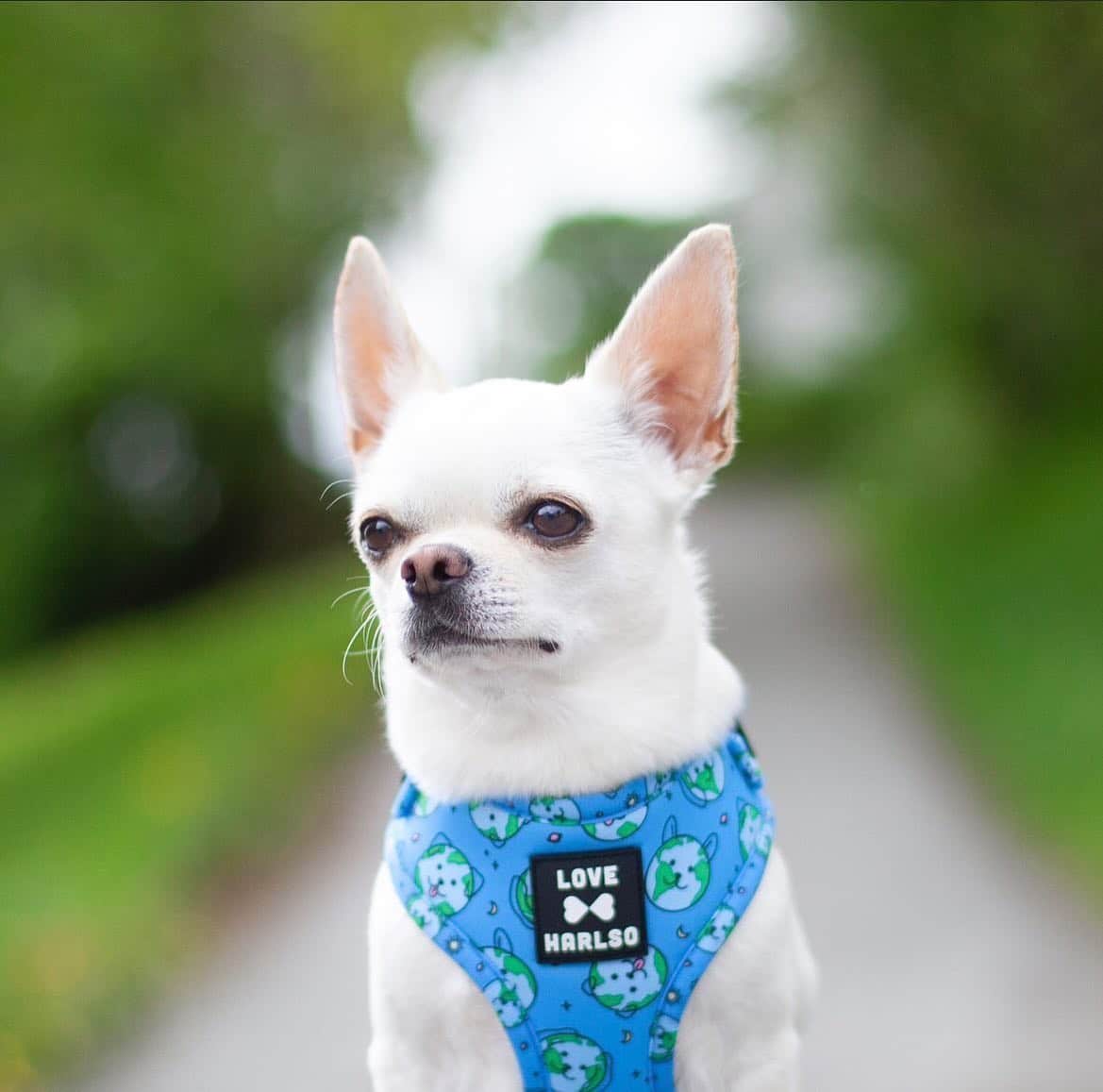
Dog training plays a crucial role in building and maintaining a healthy relationship between you and your four-legged friend. Providing your dog with clear guidance and boundaries helps to create a well-behaved and confident companion. One essential aspect of effective dog training is selecting the right equipment.
Love Harlso’s harnesses are designed to aid in the training process, ensuring a smooth communication pathway and a comfortable experience for both you and your pet. In this ultimate guide, we will explore how Love Harlso harnesses can benefit your dog during training sessions.
We will cover the importance of comfort, clear communication, gentle guidance, and how these factors can help you achieve success in teaching your dog essential behaviours, obedience, socialisation, and more. Embrace the full potential of Love Harlso harnesses and embark on a successful and enjoyable dog training journey today.
Step-by-Step: Introducing Your Dog to a Harness
Before you head out, take time to introduce the harness at home, where your dog feels safe and there are few distractions. Let your dog sniff and investigate the harness first — you can leave it near their bed or among their toys for a short while, and reward any calm interest with a treat. Once they are relaxed around it, drape it gently over their back, then fasten it loosely and let them wear it for a few minutes indoors, rewarding them as you go. If your dog seems unsure, go back a step and try again later; never force the harness on.
Getting the fit right matters as much as the introduction. Measure your dog’s neck, chest and back, and follow the manufacturer’s size guide, then check the fit once the harness is on: you should be able to fit two fingers between the harness and your dog’s body. It should be snug enough not to slip or twist, but never tight or rubbing. A harness with a front clip can help if your dog pulls, while a back attachment suits most relaxed walkers. Check the harness regularly for signs of wear, and re-check the fit as your dog grows or if their coat or weight changes.
Practise putting the harness on and taking it off a few times indoors, keeping each session short and ending on a good note. Pair the harness with something your dog enjoys — a treat, a short game, or even their meal — so they start to associate it with good things. Over several days, gradually increase the time they wear it, then add the lead and practise walking around the house before you try a walk outside.
Watch your dog’s body language as you introduce the harness: excessive panting, lip licking or pinned-back ears can mean they are uncomfortable, so check the fit and go back a step rather than pushing on. A step-in harness suits a more independent dog, while an over-the-head harness suits a more cooperative one. Once your dog is happy in their harness, introduce other accessories one at a time — a bow tie or a bandana, for example — using the same treats and praise, so each new item feels like a reward rather than a surprise.
Leash Training: Teaching Loose-Lead Walking
Start leash training in a quiet, familiar place, such as your home or garden, before moving to the street. Keep sessions short and reward your dog whenever the lead is loose and they are walking beside you. Use a clear cue, such as “let’s go”, and a treat in your hand to encourage them to stay close. Teach a “watch me” cue by rewarding your dog each time they look at you, so you can regain their attention when something distracts them.
If your dog pulls, stop walking and wait for the lead to slacken, or calmly change direction; only move forward again once they are walking nicely beside you. Do not yank the lead or drag your dog along. As your dog gains confidence, gradually increase the length of your walks and the level of distraction, moving from quiet streets to busier places. Practise the basic commands “sit”, “stay” and “come” while your dog is wearing the harness, so they learn to listen to you on walks as well as at home. Wait until your dog is calm before you set off, celebrate small improvements, and be patient — loose-lead walking takes time to learn.
Choose your lead with the same care: a standard-length lead of around five to six feet, with a comfortable handle, gives you control and keeps your dog close, so avoid retractable leads, which let your dog roam too far and make it hard to keep them beside you. Keep your dog on the same side each time so they learn where to walk, hold the lead the same way on every walk, and keep it loose, using gentle pressure to guide your puppy rather than pulling. Reward your dog after the walk as well as during it, so they finish on a good note and look forward to the next one.
Training Your Puppy: Short Sessions, Obedience and Socialisation
Puppies learn best in short, frequent sessions, so keep training to a few minutes at a time and always end while your puppy is still enjoying it. Introduce the harness gradually, as described above, letting your puppy sniff it, then draping it over them, then fastening it for a minute or two and lengthening the time over several days. Practise indoors first, with a short lead, letg your puppy explore at their own pace, then move to a quiet street and build up the length of your walks.
Alongside harness training, teach the essential commands. For “sit”, hold a treat just above your puppy’s nose and move it slowly back over their head, so they sit to follow it, then reward them. For “stay”, ask them to sit, hold your hand up with your palm facing them, take a small step back, then return and reward them if they stayed put. For “come”, crouch down, open your arms and call them in a happy voice, rewarding them warmly when they reach you. Keep your voice and cues consistent, and reward good behaviour every time.
Socialisation is just as important as harness training. Gently introduce your puppy to different people, dogs, sounds and places, keeping each experience positive and never overwhelming them. A well-socialised puppy is calmer and more confident on walks, which makes harness and leash training much easier. As your puppy grows, gradually reduce the number of treats, so they learn to walk nicely and respond to you without needing a reward every time — but never stop praising them.
Before you attach the lead, let your puppy drag it around the house or garden under your supervision, so they get used to its weight and the feeling of being connected without any pressure from you. Introduce the harness at a time when your puppy is calm and content, and use a short lead for your first practice walks, which gives you better control. Keep training fun by turning walks into games, such as fetch or hide-and-seek, and take breaks to let your puppy sniff and explore — a puppy that enjoys training learns far faster than one that is bored or tired.
1. Comfort and Control: The Foundation for Effective Training
A comfortable dog is more likely to be receptive to training and able to focus on the task at hand. Harnesses by Love Harlso are designed with your pet’s comfort in mind, ensuring a snug fit throughout training sessions. Traditional collars can cause discomfort or restricted breathing when dogs pull on the lead, leading to aversive associations with the training process.
The proper design and fit of a harness can prevent these issues, facilitating a positive atmosphere for learning. Harnesses also provide better control over your dog’s movements, reducing the likelihood of pulling behaviour and helping your pet to focus more easily on the given commands.
2. Clear Communication: Harnesses and Training Cues
Establishing clear communication is key to a successful dog training experience. Love Harlso harnesses play a significant role in this aspect by allowing the pet owner to guide their dog gently and effectively, without causing discomfort or confusion.
For example, when training a dog to heel or walk politely on a lead, the even distribution of pressure from the harness enables steady communication through gentle leash tension – something that might be lacking when using a traditional collar. This clarity helps dogs understand the desired behaviour, allowing them to respond appropriately to the given cues.
3. Positive Reinforcement and Love Harlso Harnesses
Integrating positive reinforcement methods with Love Harlso harnesses can significantly improve your dog’s learning process. With positive reinforcement, trainers reward desired behaviours using verbal praise, treats, or toys as forms of motivation.
The use of harnesses supports this approach by eliminating discomfort or confusion, enabling your dog to associate training with enjoyable experiences. Beginner training sessions, such as loose leash walking or basic commands like “sit” and “stay”, benefit from the combination of the harness and positive reinforcement techniques, resulting in a smoother and more enjoyable learning experience.
Carry treats with you on walks, so you can reward good behaviour the moment it happens — a relaxed lead, calm behaviour around distractions, and staying by your side. You can also use a clicker to mark the exact moment your dog gets something right, such as walking without pulling, and then follow it with a treat; the clear, consistent sound helps your dog understand precisely which behaviour earned the reward.
4. Socialisation and Exposure to New Environments
Socialisation is an essential aspect of dog training, helping your canine companion build confidence, adapt to new environments, and interact positively with other animals and people. Love Harlso harnesses create a safe and comfortable setting for your dog during socialisation sessions, providing pet owners with more control and enabling better responsiveness from their pets. A well-fitted harness ensures that your dog is secure, allowing you to guide them gently through various social settings, and reducing the likelihood of stress or fear-related behaviour.
5. Training Dogs with Special Needs
Harnesses designed by Love Harlso offer additional support for dogs with special needs or physical limitations, ensuring that all dogs can partake in training sessions. Traditional collars can cause strain, discomfort, or exacerbate pre-existing conditions in dogs with respiratory issues, spinal problems, or limited mobility. A harness can accommodate these needs by providing the necessary support, control, and comfort, allowing pet owners to include these pups in the training process and improve their quality of life.
Specialised Training: Service, Reactive and Agility Work
Love Harlso harnesses also suit more specialised training. For service dogs in training, a harness gives comfortable, secure support while they learn their work. For reactive dogs — those that feel anxious or aggressive around other dogs or people — a harness gives you the control and safety you need while you work on their behaviour, helping them stay calm and focused. For agility, a harness allows freedom of movement, support and comfort as your dog navigates obstacles and builds new skills. In each case, the same principles apply: a good fit, gradual introduction and plenty of positive reinforcement.
6. Preparing Your Dog for Harness Training
Before beginning your harness training journey, it is crucial to measure your dog accurately and select the right style and size of Love Harlso harness. Introduce the harness during a fun and relaxed environment, such as playtime or during short walks around the house or garden.
Let your dog familiarise themselves with the harness, offering treats and praise to build positive associations. Begin training with basic commands like “sit”, “stay”, and “come”, using the harness to gently guide your dog and communicate your desired behaviours.
7. Troubleshooting Common Training Challenges with Harnesses
Incorporating Love Harlso harnesses into your dog training routine can streamline the experience, but it’s essential to address any challenges or issues that may arise. If your dog shows signs of anxiety or reluctance when wearing the harness, consider adjusting the fit or slowly introducing the equipment over several days.
For dogs that pull strongly on the lead, Love Harlso’s range of no-pull harnesses can help guide your pet towards proper walking etiquette. Remember that patience, persistence, and positive reinforcement are integral to overcoming training challenges, ensuring your dog’s ensuring your dog’s success and enjoyment in the learning process.
No-Pull Harnesses: How They Work and How to Use Them
A no-pull harness has its lead attachment on the chest, so when your dog pulls it steers them gently to the side and redirects their attention back to you, instead of letting them use their full strength to pull forwards. Choose one that fits snugly — measure your dog against the sizing chart — in a durable, comfortable material, such as padded mesh for breathable comfort or a waterproof design for adventurous dogs, and consider a dual-clip design for extra versatility.
Introduce a no-pull harness the same way as any harness: let your dog sniff it, fit it correctly, then try short walks indoors before heading out, and use it consistently on every walk. A no-pull harness alone will not stop all pulling, so combine it with training: reward your dog for walking calmly beside you, and if they start to pull, redirect their attention by changing direction or calling their name. Stay calm and confident — dogs pick up on their owner’s stress.
Look after your no-pull harness so it keeps working well: clean it regularly following the manufacturer’s instructions — most can be hand-washed or machine-washed on a gentle cycle with mild detergent, then air-dried — check it regularly for frayed seams or weakened buckles and replace it if needed, and store it in a dry, cool place away from direct sunlight and heat. If the harness chafes, check the fit — padded harnesses can help — and if your dog seems fearful or anxious, go back to a gradual introduction with treats and praise. If your dog keeps pulling despite the harness, consider asking a professional dog trainer for help.
Building a Walking Routine
A regular walking routine helps your dog know what to expect and strengthens your bond. Keep to a consistent walking schedule, and give your dog your full attention on walks — leave your phone in your pocket. Tailor the pace, distance and duration of your walks to your dog’s age, breed, health and energy level, and vary your routes and locations to stimulate their senses and keep them interested.
Enhance Your Dog’s Training Experience with Love Harlso Harnesses
Love Harlso harnesses are a valuable addition to any dog training routine, promoting comfort, control, and clear communication between you and your canine companion. By integrating these harnesses into your training sessions, you can pave the way for a smoother and more enjoyable learning experience, laying the foundations for a strong, healthy relationship with your pet.
Ready to revolutionise your dog training approach with Love Harlso harnesses? Visit our website to explore our wide range of dog harnesses designed to suit all canine needs. Begin harnessing the full potential of your dog’s training experience and enjoy the benefits of a well-behaved and confident companion for life.
