

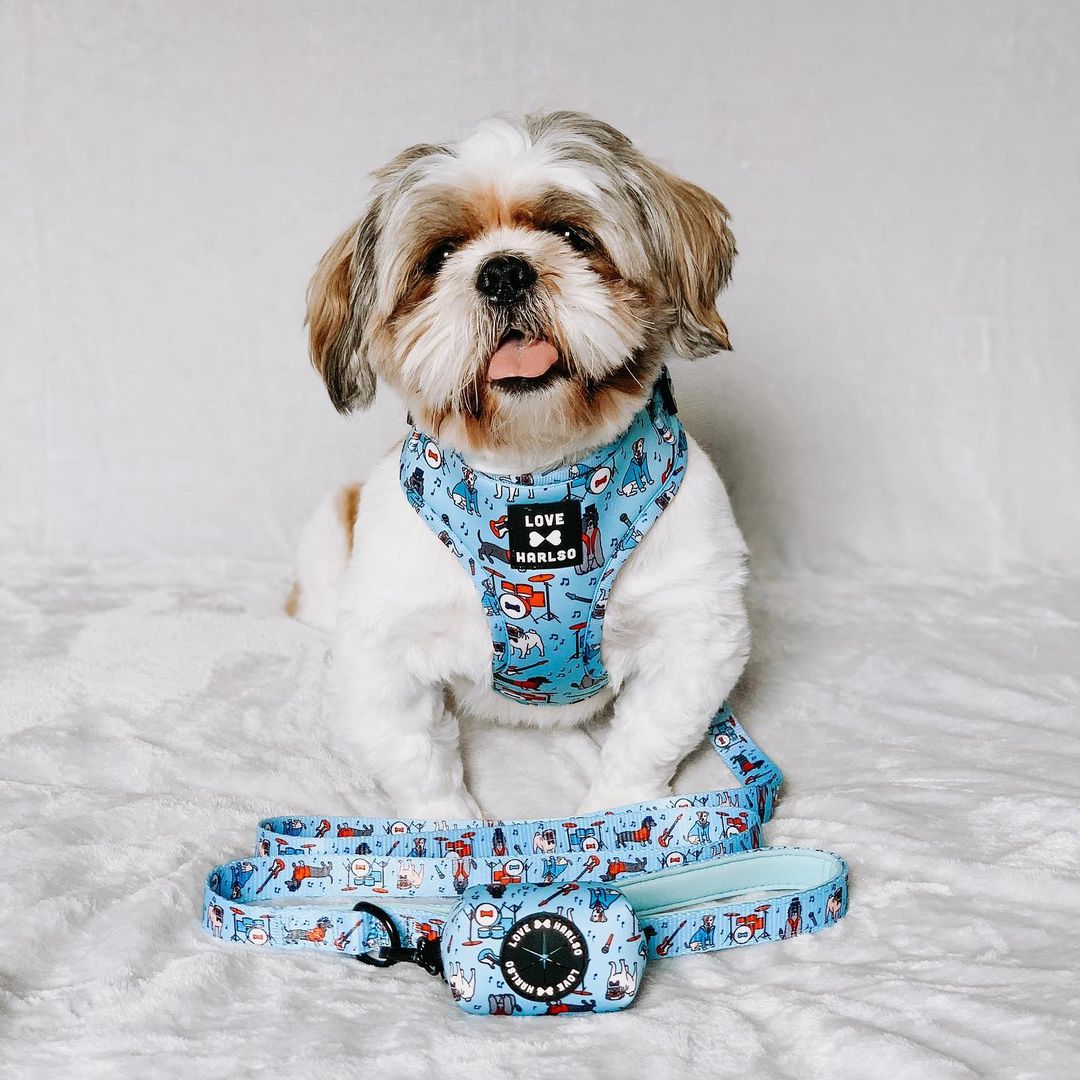
Posted on Leave a comment

Dog Harnesses 101: 3 Types & Sizing Tips

DAB29545 4F83 4ECF 951C 2EF1EBDDAF27

Dog harnesses are essential tools for pet owners. They are designed to provide comfort and safety for dogs during walks, car rides, and outdoor adventures. 

However, with so many types and sizes of dog harnesses available in the market, choosing the right one can be overwhelming. This article will discuss the three types of dog harnesses and offer sizing tips to help you find the perfect fit for your furry friend.

1. Back Clip Harness

Back clip harnesses are the most common type of dog harnesses. They feature a D-ring on the dog’s back, where you can attach the leash. Back clip harnesses are easy to use and control your dog well. They are suitable for small to medium sized dogs that do not pull excessively on the leash. 

However, they are not recommended for large, strong dogs that tend to pull, as they can cause strain on the dog’s neck and spine.

2. Front Clip Harness

Front clip harnesses have a D-ring on the front of the dog’s chest. This design helps to discourage pulling by redirecting the dog’s attention towards you. Front clip harnesses are ideal for dogs that tend to pull on leashes and are suitable for all sizes of dogs. 

They also provide better control over the dog’s movements, making them excellent for training and walking.

3. No Pull Harness

No pull harnesses are designed to prevent dogs from pulling on the leash. They feature a front and back clip, allowing more control over the dog’s movements. No pull harnesses are ideal for large and strong dogs that tend to pull on the leash. 

They are also suitable for dogs that tend to escape from their harnesses. However, they can be more challenging to put on and take off than other harnesses.

Sizing Tips for Dog Harnesses

Choosing the right dog harness size is crucial for your dog’s comfort and safety. Too tight harnesses can cause discomfort and restrict the dog’s movement, while an excessively-loose harness can slip off or cause chafing. Here are some sizing tips to help you find the ideal fit for your furry companion.

1. Measure your Dog’s Girth

The girth is the widest part of your dog’s ribcage, just behind the front legs. Use a measuring tape to measure your dog’s girth, and add two inches to the measurement to ensure a comfortable fit. Most harnesses have sizing charts to help you find the right size based on your dog’s girth measurement.

2. Check the Harness’s Adjustability

Most harnesses come with adjustable straps that allow you to customize the fit to your dog’s body. Check the harness’s adjustability before purchasing to make sure that you can make the necessary adjustments to fit your dog’s body shape.

3. Consider Your Dog’s Breed and Body Type

Different breeds and body types require different types of harnesses. For example, small dogs with delicate necks may benefit from a harness that distributes pressure evenly across the chest. On the other hand, large and muscular dogs may require a harness that offers more control over their movements. Consider your dog’s breed and body type when choosing a harness.

Final Thoughts

Dog harnesses are essential for pet owners who want to provide comfort and safety for their furry friends during walks and outdoor activities. Choosing the right type and size of harness is crucial for your dog’s comfort and safety.

Back clip harnesses are ideal for small to medium-sized dogs that do not pull excessively on the leash, while front clip and no-pull harnesses are suitable for all dogs. Use the sizing tips mentioned above to ensure you choose the right harness size for your furry friend.

Get your furry friend the perfect fit and comfort with Love Harlso’s high-quality dog harnesses. Shop now and ensure your dog’s safety during walks and outdoor activities. Choose Love Harlso, your trusted source for all your dog harness needs.
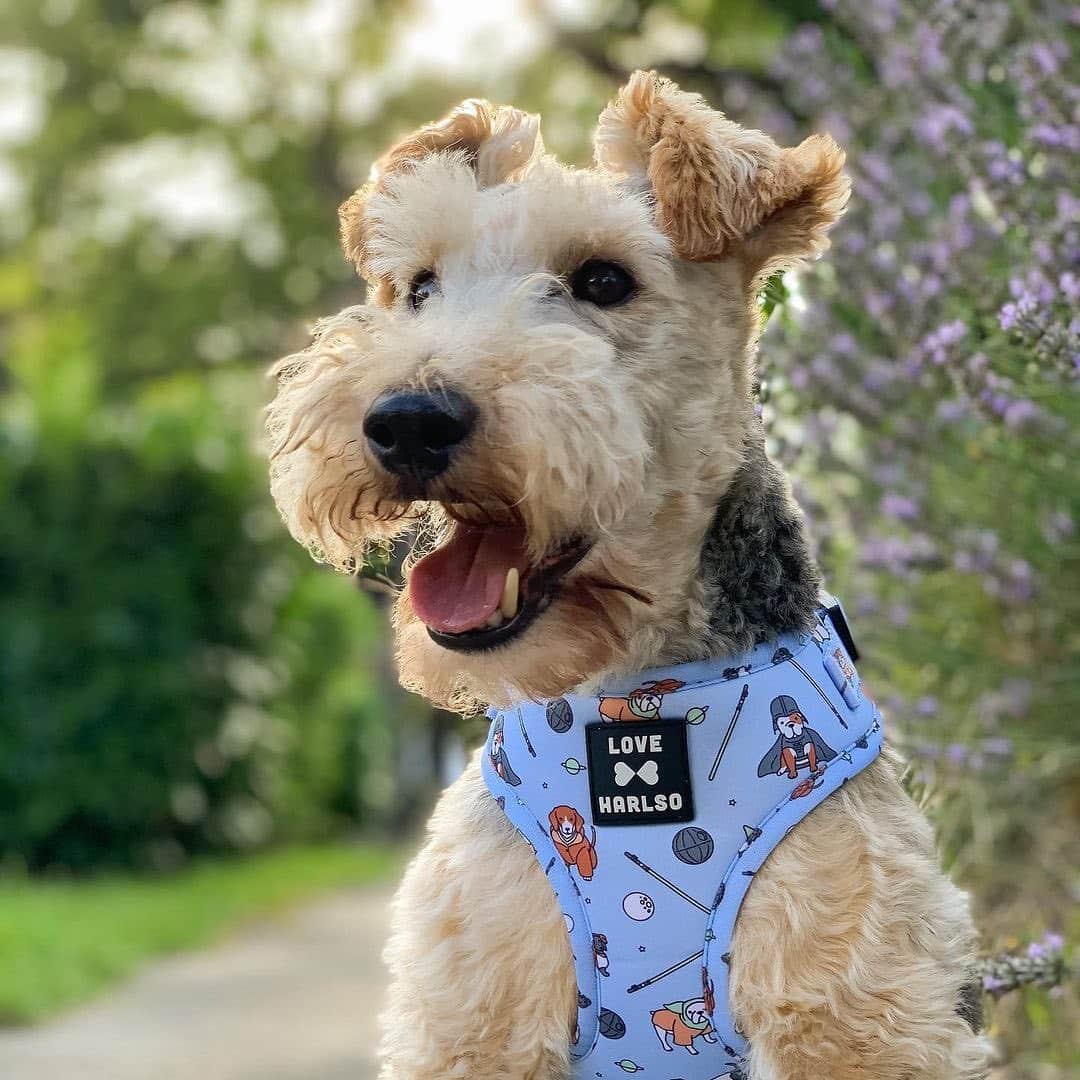
Posted on Leave a comment

A Comprehensive Guide to Dog Harnesses: Types and Differences

Galactic Woofers on Dog

As dog owners, we all want to ensure the safety and comfort of our furry friends when we take them out for a walk or a run. One of the most important accessories that can help us achieve this is a dog harness.  

Dog harnesses are becoming increasingly popular, and there are many different types on the market. If you want to keep your fur babies safe, this article is for you. Without further ado, let’s discuss the different kinds of dog harnesses and their differences.  

Standard Harnesses 

A standard harness is the most common type of dog harness. It is made up of a strap that runs around the dog’s chest and another that runs across the dog’s back. The two straps are joined together at the dog’s shoulders, with a ring for attaching a leash or lead. 

Standard harnesses are perfect for dogs that pull on the leash, as they distribute the pressure evenly across the dog’s chest, preventing choking or injury to the neck.

Step-in Harnesses

Step-in harnesses are similar to standard harnesses in design but are put on the dog differently. Instead of being pulled over the dog’s head, step-in harnesses have two leg holes that the dog steps into, and the harness is then lifted and clipped together at the top of the dog’s back. These are ideal for dogs that don’t like things being put over their heads or for dogs with neck injuries.

Head Harnesses

Head harnesses, also known as head collars, are designed to fit over the dog’s head, like a muzzle. The leash attaches to a ring at the bottom of the harness, which sits under the dog’s chin. When the dog pulls on the leash, the harness turns its head towards the owner, preventing them from pulling. 

These harnesses are great for strong pullers, but they can take some getting used to, and some dogs may find them uncomfortable.

Back-clip Harnesses

Back-clip harnesses have a single strap that runs across the dog’s back, with a ring for attaching the leash. These harnesses are ideal for small dogs or dogs that don’t pull on the leash, as they do not distribute pressure evenly across the dog’s chest. 

Back-clip harnesses can also be used for training, as they allow the owner to control the dog’s movements more easily.

Front-clip Harnesses

Front-clip harnesses are similar to standard harnesses but have a ring for attaching the leash at the front of the dog’s chest. When the dog tugs on the leash, the harness turns its body towards the owner, preventing them from pulling. Front-clip harnesses are used for dogs that are strong pullers or for dogs that need extra training.

No-pull Harnesses 

No-pull harnesses are designed to prevent dogs from pulling on the leash. They usually have a front and back clip, with a strap running across the dog’s chest. When the dog pulls on the leash, the harness tightens around its chest, making it uncomfortable for them to yank. 

These harnesses are perfect for dogs that are difficult to train or have a powerful pulling instinct.

Conclusion

When choosing a dog harness, there are many different types on the market, each with advantages and disadvantages. Pick a harness appropriate for your dog’s size, breed, and temperament to ensure it is comfortable and fits correctly. 

If you need a premium adjustable harness and other dog accessories, check out Love Harlso. We’ll help you find the proper harness, so you can ensure your dog’s safety and comfort on walks and runs. Make your time together more enjoyable for you and your pet; browse our collection today!

Posted on Leave a comment

6 Considerations When Choosing a Dog Collar for Your Pet

20220313 170525 rotated

A dog collar is more than just a fashion statement or a simple way to keep identification tags on your pet. It is also an essential tool for training, walking, and overall safety. With so many options available, it can be overwhelming to find the perfect collar for your furry companion.

In this blog, we will discuss six essential considerations when choosing a dog collar for your pet to ensure their safety, comfort, and style.

1. Size

One of the most important factors to consider when selecting a dog collar is the size. To find the right size for your pet, measure your dog’s neck circumference using a soft measuring tape. Place the tape snugly around the neck and add two inches to the measurement. This will allow for a comfortable fit that isn’t too tight or loose.

When choosing a collar, make sure it has adjustable features to accommodate your dog’s growth or changes in weight. The collar should be tight enough to stay in place but loose enough to fit two fingers comfortably between the collar and your dog’s neck.

2. Materials

Dog collars come in various materials, including nylon, leather, metal, and eco-friendly options. Each material has pros and cons, so consider the durability, comfort, and maintenance requirements.

  • Nylon is a popular choice due to its affordability, durability, and lightweight nature. However, it may not suit dogs with skin allergies or sensitivities.
  • Leather collars offer a classic look and tend to be more durable than nylon. They may require more maintenance, but they can last for years if properly cared for.
  • Metal collars, such as chains or prong collars, should only be used for training purposes under the guidance of a professional trainer. They can cause injury if not used correctly.
  • Eco-friendly collars made from materials like hemp or recycled materials are a great option for environmentally conscious pet owners.

3. Purpose

Consider the primary purpose of the collar when selecting one for your dog. Are you looking for a basic collar for identification purposes, or do you need a training collar to assist with behaviour management? Some collars, like head collars or no-pull harnesses, are specifically designed to help with training and controlling your dog during walks.

4. Activity Level

Your dog’s activity level should also be taken into account when choosing a collar. If your dog spends a lot of time swimming or playing in the water, opt for a waterproof collar that won’t easily degrade with exposure to moisture. For dogs that love to run and explore, consider a reflective collar to increase visibility and safety during evening walks.

5. Comfort

Your dog will likely wear their collar for extended periods, so it’s essential to choose a comfortable option. Look for collars with soft, padded materials or rounded edges to prevent chafing and irritation.

Additionally, ensure the collar’s buckle or clasp is light enough, as it can be uncomfortable for smaller dogs.

6. Style or Design

While the primary goal is to find a comfortable and functional collar, you can also have some fun with the design. From bright colours and patterns to personalised nameplates or monograms, there are countless options to showcase your dog’s unique personality and style.

Final Thoughts

Taking the time to consider the size, materials, purpose, activity level, comfort, and style when choosing a dog collar will ensure you find the perfect fit for your furry friend. Remember that regular checks and adjustments are necessary to accommodate your dog’s growth and to ensure their collar remains in good condition. With the right collar, your dog will be safer, happier, and more comfortable as they explore the world with you by their side.

If you need cute dog collars and accessories, Love Harlso is the perfect shop for you! We have a wide collection of stylish dog collars and harnesses, with adjustable ones to ensure the perfect fit. Place your order now to get started!

Posted on Leave a comment

Top Factors to Consider When Choosing Dog Lead Accessories

Dog or Donut on Dog

Dog leads are essential for pet owners to keep their furry friends safe and in control while walking or training. Different types of dog leads are available in the market, and choosing the right one can be overwhelming. The length and material are two vital factors when choosing a dog lead. This article will discuss these factors to help you choose the right dog lead for your pet.

Length of the Dog Lead

The length of the dog lead is an essential factor to consider when choosing the correct lead for your pet. The length of the lead will depend on the size, breed, and behavior of your dog, as well as the purpose of the lead. Here are some of the different lengths of dog leads available:

1. Standard Dog Lead (6-ft)

A standard dog lead is six feet long and suitable for most dogs, regardless of size or breed. This lead length provides enough space for your dog to roam while keeping them close enough to you for control and safety.

2. Short Dog Lead (4-ft)

A short dog lead is four feet long and is ideal for dogs that tend to pull or jump. This lead length provides more control and prevents your dog from getting too far away during walks.

3. Long Dog Lead (10-ft or more)

A long dog lead is ten feet or longer and is suitable for training or allowing your dog to explore the surroundings. This lead length gives your dog more freedom of movement and is ideal for outdoor activities such as hiking or camping.

Material of the Dog Lead

The material of the dog lead is another essential factor to consider when choosing the correct lead for your pet. The material will determine the lead’s durability, strength, and comfort. Here are some of the different materials of dog leads available:

1. Nylon Dog Lead

Nylon dog leads are the most common type of dog lead available. They are lightweight, durable, and come in different colors and designs. Nylon dog leads are easy to clean and maintain, making them ideal for daily use.

2. Leather Dog Lead

Leather dog leads are strong, durable, and comfortable to hold. They are ideal for dogs that tend to pull or have sensitive skin. Leather dog leads come in different colors and designs and can last for years with proper care.

3. Chain Dog Lead

Chain dog leads are solid and durable, making them suitable for large, powerful dogs. They are also ideal for dogs that chew or destroy their leads. Chain dog leads are not recommended for small or sensitive dogs as they can cause discomfort and injury.

4. Retractable Dog Lead

Retractable dog leads are popular among pet owners who want to give their dogs more freedom of movement during walks. They come in different lengths and materials and have a retractable cord or tape that can be adjusted to the desired length. Retractable dog leads are suitable for well-behaved dogs trained to walk on a lead.

Conclusion

Dog lead accessories offer a great way to give your pup a comfortable and stylish walking experience. These accessories come in various styles, materials, and sizes, making finding the perfect one for your pup easy. 

With high-quality materials and designs, these accessories will surely last for years. They also offer a great way to add a bit of personality to your pup’s look. Whether you are looking for a simple collar and leash combo or a complete set of accessories, these products will surely provide your pup with a comfortable and stylish walking experience.

Love Harlso manufactures dog lead accessories along with other pet accessories. Our products include puppy leads and collars dedicated to supporting pet owners while they raise their beloved pets. Shop on our website today and choose among our products, and get free shipping within the UK for orders above £30.

Posted on Leave a comment

5 Helpful Tips for Teaching Your Dog to Love the Leash

Love Hearts on Spaniel

As a dog owner, taking your furry friend for a walk is one of the most enjoyable activities you can do together. However, not all dogs are fond of leashes, making going for a walk a stressful experience for both of you. 

Fortunately, teaching your dog to love the leash is possible with patience and the right techniques. This article will share five helpful tips for getting your dog to enjoy the leash.

1. Introduce the Leash Gradually

Introducing your dog to the leash gradually is key to getting them comfortable. Start by allowing them to sniff the leash and get familiar with it. Then, attach the leash to their collar and let them drag it around the house while you supervise. This allows them to get used to the weight and feel of the leash.

Next, take your dog outside with the leash attached but let them roam freely without pulling on the leash. This will help them associate the leash with positive experiences, such as being outside and exploring. Once your dog is comfortable with the leash, you can start holding the leash and walking together.

2. Use Positive Reinforcement

Positive reinforcement is a powerful tool for teaching your dog to love the leash. Whenever your dog approaches the leash willingly or walks calmly beside you, reward them with a treat or a verbal cue such as “good dog”. This will help your dog associate the leash with positive experiences and encourage them to repeat the behaviour.

However, avoid using treats as a bribe to get your dog to walk on the leash. This can teach your dog that they only get rewarded for walking on the leash, which can lead to them refusing to walk without a treat. Instead, use treats as a reward for good behaviour.

3. Choose the Right Leash and Collar

Settling on the right leash and collar for your dog can make a big difference in their comfort level. For example, a retractable leash may be too heavy for a small dog, while a short leash may be too restrictive for a larger dog. Similarly, a too-tight or loose collar can be uncomfortable for your dog.

Consider investing in a comfortable and adjustable collar that fits your dog well. You can also try different types of leashes, such as a standard leash or a harness, to see what your dog prefers.

4. Practice Consistently

Consistent practice is essential when teaching your dog to love the leash. Set aside time daily to practice walking on the leash with your dog. Start with short walks around your neighbourhood and slowly increase the distance as your dog becomes more comfortable.

It’s also important to be patient and not rush your dog. If your dog is hesitant or scared, step back and try again later. Consistent practice and positive reinforcement will help your dog feel comfortable on the leash.

5. Use Dog Accessories

Dog accessories can also help your dog feel more comfortable on the leash. For example, a comfortable harness can reduce the pressure on your dog’s neck and make it easier for them to walk without pulling. Similarly, a dog treat bag can help you reward your dog for good behaviour while on the go.

When using dog accessories, ensure they fit your dog well and are comfortable. Avoid using accessories that restrict your dog’s movement or cause discomfort.

Conclusion

Teaching your dog to love the leash is possible with patience and the right techniques. By introducing the leash gradually, using positive reinforcement, choosing the right leash and collar, practising consistently, and using dog accessories, you can help your dog feel more comfortable on the leash and enjoy walking with you. Remember to be patient and consistent, and most importantly, have fun with your furry friend! 

Get your dog looking adorable with Love Harlso’s cute dog collars and accessories! Shop now and give your furry friend the ultimate fashion upgrade.