
Posted on Leave a comment

Dog Collar: How to Properly Measure & Fit for Your Dog

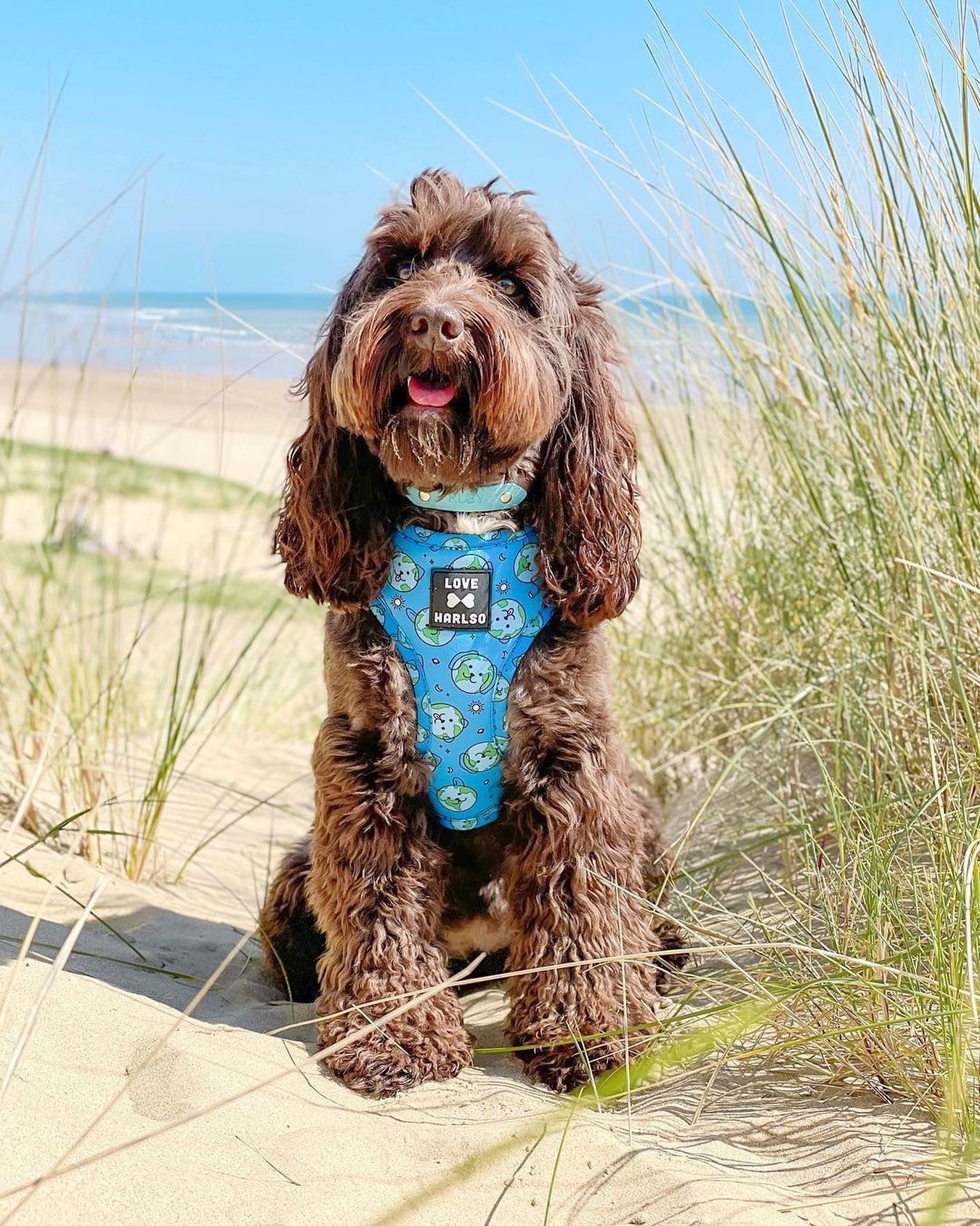
Its A Dogs World on Cockapoo

As a dog owner, you always want to ensure the safety and comfort of your furry friend. One of the most important accessories that your dog needs is a collar. However, not all collars are created equal, and it’s important to measure and fit your dog’s collar properly to avoid discomfort or harm.

Why Is It Important to Measure and Fit Your Dog’s Collar?

A well-fitted collar is not only comfortable for your dog but also ensures that you can control and guide your dog effectively. A too-tight collar can cause breathing difficulties, while a too-loose collar can slip off easily, putting your dog at risk of getting lost or injured. Measuring and fitting your dog’s collar properly is crucial to ensure your dog’s safety and comfort.

What Do You Need to Measure Your Dog’s Collar?

You will need a measuring tape or a piece of string, a ruler, and your dog’s current collar to measure your dog’s collar. You may also need a second person to help you hold your dog still during the measuring process.

How to Measure Your Dog’s Neck for a Collar?

The first step is to measure your dog’s neck to determine the correct size of the collar. To do this, place the measuring tape or string around the base of your dog’s neck, where the collar usually sits. Ensure the tape or string is snug but not tight, and note the measurement in inches.

How to Choose the Right Collar for Your Dog?

Once you have measured your dog’s neck, you can choose the appropriate collar size. Collars come in different sizes, ranging from extra small to extra large, and it’s essential to pick the right one for your dog. A too-small collar can be uncomfortable and restrict your dog’s breathing, while a too-large collar can slip off easily. When choosing a collar, consider the width and material of the collar, as well as the style and purpose.

How to Fit Your Dog’s Collar?

Once you have chosen the right collar size, it’s time to fit the collar on your dog. Here are four steps to ensure a proper fit.

Step 1: Adjust the Collar

Start by adjusting the collar to the correct size. Most collars have several holes to choose from, and you want to ensure the collar fits snugly but not too tight.

Step 2: Check the Fit

Once the collar is adjusted, check the fit by running your fingers between the collar and your dog’s neck. You should be able to fit two fingers between the collar and your dog’s neck.

Step 3: Attach the Tags

Attach your dog’s identification tags to the collar. If your dog gets lost, the tags will help ensure that your dog can be returned to you.

Step 4: Monitor the Fit

Check the fit of your dog’s collar regularly. As your dog grows, you may need to adjust the collar size or replace the collar altogether. 

Conclusion

Measuring and fitting your dog’s collar properly is crucial to ensure your dog’s safety and comfort. A well-fitted collar will help you control and guide your dog effectively, while a poorly fitted collar can cause discomfort or potential harm. With these simple steps, you can ensure that your dog’s collar fits snugly and comfortably, making your walks and adventures with your furry friend more enjoyable.

Are you looking for cute dog collars and accessories? Love Harlso offers a variety of fashionable and comfortable dog harnesses. Our selection of adjustable dog harnesses will make it simple to find the perfect fit for your pup. Shop now!
Posted on Leave a comment

Dog Collars vs. Dog Harnesses: Which Is Better?

Harnesses

When choosing the right item of pet apparel for your canine companion, it can be difficult to know the difference between a dog collar and a dog harness. Both offer different benefits and drawbacks, so it’s important to consider the pros and cons of each before making a decision.

In this article, we will explore the differences between dog collars and dog harnesses and help you decide which one is best for your pup. 

What Is a Dog Collar?

A dog collar is a piece of clothing or accessory used to keep a dog safe and secure. It is typically made from leather, nylon, or plastic and is fastened around the neck of the dog. The collar is often decorated with a buckle, a tag, or a charm.

Dog collars are a vital part of a dog’s wardrobe and can be used for identification, to keep a pet from running away, or as a fashion statement.

Why Should You Consider a Dog Collar?

One of the main advantages of a dog collar is that it can be used for identification. Many collars come with a tag that contains the owner’s name, address, and phone number in case the dog gets lost. This can be incredibly helpful in reuniting a lost pet with its owner. Additionally, some collars come with a tracking device that can be used to locate a lost pet.

What Is a Dog Harness?

A dog harness is a collar designed to comfortably and securely fit around a dog’s torso. Unlike a traditional dog collar, typically worn around the neck, a dog harness is designed to evenly distribute the pressure of a leash and provide better control over the animal. This makes the harness a popular choice for owners who want to train their pets or walk them in public.

Why Is a Dog Harness Better than a Dog Collar?

1. Better Control

The most apparent advantage of a dog harness is that it provides better control over your pet. The straps of the harness fit around the dog’s chest and torso, allowing you to have more control over its movements. This is especially useful when walking your pet in public, as it makes it easier to keep them away from other animals or people.

2. Ideal for Training

A dog harness is also ideal for training purposes. Since it fits snugly around the torso, it makes it easier to give commands and keep your pet from pulling too hard on the leash. This is important for teaching your pet to obey commands and stay in line.

3. Easy Lifting

One of the biggest advantages of a dog harness is that it makes lifting your pet easier. If you have an injured or elderly dog, a harness can help you lift them up and down stairs or into the car. This can make it much easier to care for your pet and keep them safe.

4. Less Choking Risks

Finally, a dog harness can help reduce the risk of choking. When a dog pulls on a leash with a collar, it can put a lot of pressure on the neck and cause choking. With a harness, the pressure is distributed more evenly over the torso, which makes it safer and more comfortable for your pet.

Final Thoughts

Ultimately, the decision between a dog collar or a dog harness will depend on the individual needs of the dog and the owner. While dog collars are a traditional choice, harnesses can provide extra control and safety for certain dogs and owners.

It’s important to consider all the factors before making a decision and to consult with a veterinarian or professional dog trainer if you have any questions or concerns.

Are you looking for the best adjustable harness for dogs? Love Harlso has you covered. Aside from providing fun and stylish designs, our adjustable harnesses will ensure you find the perfect fit for your dog. Explore our collection and place your order today!

Posted on Leave a comment

Helpful Tips to Teach Your Dog to Walk Calmly on a Leash

20210822 180719 1

Dogs often get excited when they go out for a walk and can easily become overwhelmed. This
can make it difficult to keep them under control while they’re out and about. Training your dog to
walk calmly on a leash is one of the most important steps to ensuring that you and your pup
have a safe and enjoyable time on walks. Doing so can take time and patience, but with a few
easy steps, you can have your pup walking calmly in no time.


Step 1: Outfit Your Dog with the Correct Leash
Before you start teaching your pup how to walk calmly on a leash, make sure you have the right
equipment. The type of leash you use can make a big difference in how your pup behaves. For
a calm, controlled walk, opt for a 5-foot leash with a comfortable handle. Avoid retractable
leashes, as they can make it difficult to keep your pup close to you.


Step 2: Start with Short, Slow Walks
When you first start teaching your pup to walk calmly on a leash, it’s best to start with short,
slow walks. This will help your pup get used to the feeling of being on a leash, and it will give
you a chance to practice keeping your pup close to you. As you walk, give your pup lots of
praise and rewards for staying close and walking calmly.


Step 3: Make Sure to Keep Your Pup Focused on You
When you’re out on a walk with your pup, it’s important to keep them focused on you.
Distractions such as other dogs, people, and cars can be overwhelming for your pup and make
it difficult for them to stay calm. If your pup starts to get distracted, gently tug on the leash to get
their attention back to you.


Step 4: Practice Walking in Different Environments
Once your pup is comfortable walking calmly on a leash in a low-distraction environment, it’s
time to start taking them out in more stimulating environments. Gradually increase the length of
your walks and practice in different areas, such as parks, busy streets, and busy sidewalks. This
will help your pup become more comfortable with different sights and smells, and it will give
them more practice staying focused on you.


Step 5: Reward Your Dog for the Proper Behaviour After Walks
Once you’ve completed a walk, it’s important to reward your pup for their good behaviour. This
could be a treat, a toy, or a special activity. This will reinforce the behaviour and let your pup
know that they’re doing a good job. With time and patience, your pup will learn to stay focused
and calm on walks.

Training Your Dog to Walk on a Leash

Training your pup to walk on a leash is an important part of responsible pet ownership. Taking
the time to teach your pup the proper way to walk on a leash will help ensure that both you and
your pup have a safe and enjoyable experience each time you go for a walk. With patience and
consistency, your pup will soon learn how to properly walk on a leash.


Conclusion
Training your dog to walk calmly on a leash is a great way to ensure safety and promote good
behaviour. It is important to remember that this type of training takes consistency and patience.
It is important to keep your training sessions short and positive and to reward your dog for good
behaviour. Always remember to use positive reinforcement and to be consistent with your
commands. With patience and consistency, you will be able to successfully train your pup to
walk calmly and safely on a leash.
If you are looking for an adjustable harness for dogs and other accessories, come to Love
Harlso.
Our selection of adjustable dog harnesses makes it easier to find the perfect fit.

Posted on Leave a comment

Various Collar Styles Suitable for Different Breeds

Starstuck Collar

Collars are an essential dog accessory. They are not only used to hold tags and identification information, but they also serve as a means of restraint and control.

Choosing the right collar for your dog is crucial, particularly for breeds with unique neck structures and fur types. In this article, we will explore the different styles of collars suitable for various breeds.

Flat Collars  

Flat collars are the most common type of collar and are suitable for almost all breeds. They are simple in design, made of durable materials such as nylon, leather, or cotton, and have a buckle or snap closure.

This type of collar is ideal for everyday use and can be customised with name tags, charms, or bells. However, they are not recommended for dogs who pull on the leash, as they offer limited control and may cause neck strain.

Martingale Collars

Martingale collars, or limited-slip collars, are designed to prevent dogs from slipping out of their collars. They are particularly suitable for breeds with narrow heads, such as Greyhounds, Whippets, and Salukis.

These collars consist of a flat collar with a loop of material that tightens when the leash is pulled, but the collar will not tighten to the point of choking. Martingale collars are ideal for dogs who pull on the leash, as they offer more control than flat collars.

Head Collars

Head collars, or Halti or Gentle Leader collars, are designed to fit over a dog’s nose and neck. They work by gently guiding the dog’s head, reducing pulling on the leash, and giving the owner more control. Head collars are particularly suitable for strong breeds, such as Bulldogs, Boxers, and Rottweilers.

It is essential to gradually introduce a head collar to your dog and ensure it fits correctly. You also should not leave a head collar on your dog without supervision.

Harnesses

A dog harness is an alternative to collars and offers more control and support for dogs who pull on the leash or have sensitive necks. Harnesses distribute pressure across the dog’s chest and back, reducing the risk of choking or neck strain.

Several types of harnesses are available, such as back-clip, front-clip, and dual-clip harnesses. Back-clip harnesses are suitable for small dogs and breeds without a tendency to pull. Front-clip harnesses are ideal for dogs who pull on the leash, as they give the owner more control by redirecting their attention toward the owner. Lastly, dual-clip harnesses are made for dogs who pull on the leash and require more control than a front-clip harness.

Slip Collars

Slip collars, also known as choke chains or training collars, are controversial and should only be used by experienced owners and trainers. They consist of a chain or nylon loop that tightens when the leash is pulled, causing discomfort or pain to the dog.

This type of collar is not recommended for breeds with delicate neck structures or are brachycephalic, such as Bulldogs and Pugs. They are also unsuitable for dogs who pull on the leash, as they can cause neck strain, choking, or injury.

Conclusion

Choosing the most suitable collar for your dog is crucial to their safety, comfort, and well-being. When selecting a collar, it is essential to consider your dog’s breed, size, temperament, and behaviour. By choosing the right collar for your dog, you can ensure they are safe, comfortable, and happy on their walks.

Buy cute dog collars and harnesses from Love Harlso. We have a wide range of styles, sizes, and colours to choose from. Our products are made with high-quality materials designed to ensure your dog’s safety and comfort. Shop at our website today!

Posted on Leave a comment

5 Great Benefits of Investing in a Dog Harness for Your Pup

Galactic Woofers on Lab pup

If you have a dog, you might be thinking about the great accessories you can get to help your dog be happier and safer. Well, there are many, from leashes and the like. However, one of the most important accessories you can ever get is a dog harness. A dog harness is a type of clothing or accessory designed for dogs. It is usually made of nylon or leather and is designed to fit snugly around the dog’s body. As for its purpose, a dog harness is an excellent tool for providing control and support to your pet when out walking or running.

Now, if you’re not convinced about investing in one just yet, stick around. We want to share with you the incredible benefits of using one:

1. Enhanced Safety

The harness is a great way to keep your pup safe and secure on walks. It distributes pressure evenly throughout their chest instead of putting pressure on their neck. It also helps to reduce pulling and is more secure than other methods, decreasing the risk of your pup running away or getting into accidents.

2. Better Control

Controlling a large, powerful dog can be tricky, but a harness can make it much easier. The harness will give you better control over your pup when it gets over-excited and tries to chase other animals on the sidewalk or in the park. A good harness will help prevent pulling and reduce strain on your dog’s neck and joints. They are also a great way to teach puppies how to act on a leash, providing owners with more control.

3. Addresses Injury Risks

Going for walks with a dog can be a great way to spend time together and appreciate the scenery. It can also reduce stress levels by releasing the hormone oxytocin. However, if the dog is pulling too hard on the leash, it can cause the owner to get injured, such as hip fractures, broken wrists, or elbow fractures from falling. A harness is a much better option than a collar, as it offers more control to the handler and can help keep the dog safe.

4. Reduces Pulling

Having a collar and leash attached to your dog can put a strain on its neck and can cause injuries. Smaller breeds are more likely to suffer from these as their necks are more delicate and can be harmed by even a small pull on the leash. To prevent this, it is best to use a harness that will spread the pressure of the leash over a larger area of your dog’s body.

5. Avoid Tangling

Using a harness instead of a collar can be beneficial for both you and your pup. It can help to reduce strain on your puppy’s neck and can help to prevent tangling while walking. It is important to ensure that the harness is the correct size and fit for your pup to ensure their safety and comfort.

Conclusion

Overall, using a dog harness can provide many benefits for both you and your pup. It can help to keep your pup safe and comfortable while walking and can provide you with more control and safety. So, if you’re looking for a way to make walking your pup more enjoyable, consider investing in a dog harness today!

Love Harlso offers stylish and functional dog harnesses and various other accessories that you can rely on. If you are looking for adjustable harnesses for dogs, check out what we offer.