

Posted on — Leave a comment

A Comprehensive Guide to Dog Harnesses: Types and Differences

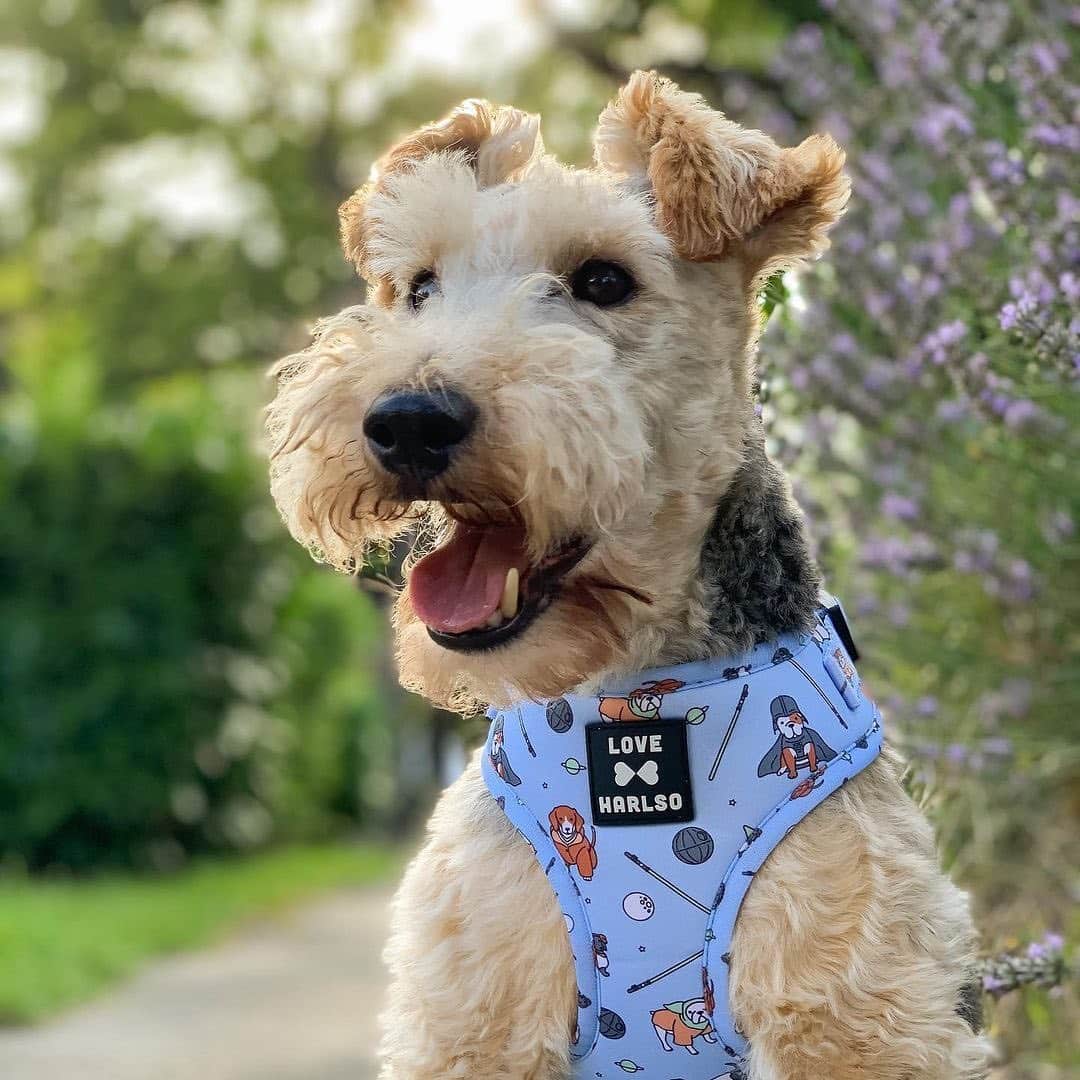
Galactic Woofers on Dog

As dog owners, we all want to ensure the safety and comfort of our furry friends when we take them out for a walk or a run. One of the most important accessories that can help us achieve this is a dog harness.  

Dog harnesses are becoming increasingly popular, and there are many different types on the market. If you want to keep your fur babies safe, this article is for you. Without further ado, let’s discuss the different kinds of dog harnesses and their differences.  

Standard Harnesses 

A standard harness is the most common type of dog harness. It is made up of a strap that runs around the dog’s chest and another that runs across the dog’s back. The two straps are joined together at the dog’s shoulders, with a ring for attaching a leash or lead. 

Standard harnesses are perfect for dogs that pull on the leash, as they distribute the pressure evenly across the dog’s chest, preventing choking or injury to the neck.

Step-in Harnesses

Step-in harnesses are similar to standard harnesses in design but are put on the dog differently. Instead of being pulled over the dog’s head, step-in harnesses have two leg holes that the dog steps into, and the harness is then lifted and clipped together at the top of the dog’s back. These are ideal for dogs that don’t like things being put over their heads or for dogs with neck injuries.

Head Harnesses

Head harnesses, also known as head collars, are designed to fit over the dog’s head, like a muzzle. The leash attaches to a ring at the bottom of the harness, which sits under the dog’s chin. When the dog pulls on the leash, the harness turns its head towards the owner, preventing them from pulling. 

These harnesses are great for strong pullers, but they can take some getting used to, and some dogs may find them uncomfortable.

Back-clip Harnesses

Back-clip harnesses have a single strap that runs across the dog’s back, with a ring for attaching the leash. These harnesses are ideal for small dogs or dogs that don’t pull on the leash, as they do not distribute pressure evenly across the dog’s chest. 

Back-clip harnesses can also be used for training, as they allow the owner to control the dog’s movements more easily.

Front-clip Harnesses

Front-clip harnesses are similar to standard harnesses but have a ring for attaching the leash at the front of the dog’s chest. When the dog tugs on the leash, the harness turns its body towards the owner, preventing them from pulling. Front-clip harnesses are used for dogs that are strong pullers or for dogs that need extra training.

No-pull Harnesses 

No-pull harnesses are designed to prevent dogs from pulling on the leash. They usually have a front and back clip, with a strap running across the dog’s chest. When the dog pulls on the leash, the harness tightens around its chest, making it uncomfortable for them to yank. 

These harnesses are perfect for dogs that are difficult to train or have a powerful pulling instinct.

Conclusion

When choosing a dog harness, there are many different types on the market, each with advantages and disadvantages. Pick a harness appropriate for your dog’s size, breed, and temperament to ensure it is comfortable and fits correctly. 

If you need a premium adjustable harness and other dog accessories, check out Love Harlso. We’ll help you find the proper harness, so you can ensure your dog’s safety and comfort on walks and runs. Make your time together more enjoyable for you and your pet; browse our collection today!

Posted on — Leave a comment

Collars and Harnesses: A Must-Have for Safety and Comfort

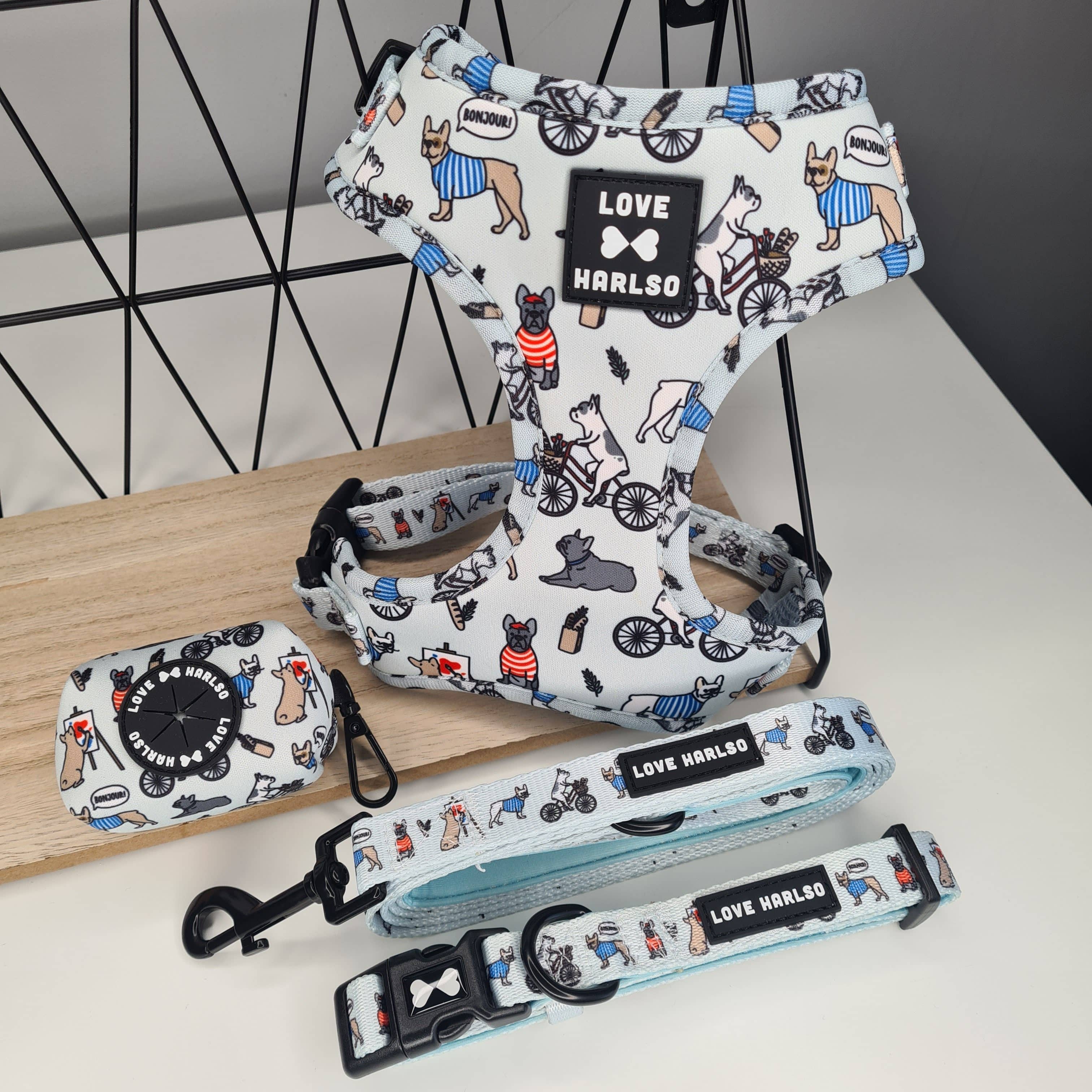
20220327 131825 rotated

As a pet parent, you want the best for your furry friend. And one of the most important things you need to consider is keeping them safe and secure while youโ€™re out and about. This is where the debate over whether a collar or a harness is better comes into play. But the truth is, your dog needs both.

Collars: The Basics

Collars are the most common form of identification and restraint for dogs. Theyโ€™re typically made of nylon or leather and come in various colours and styles. Some collars have buckles or clips, while others slip over the head. Collars are often used to attach ID tags, which can help you locate your dog if they get lost.

Why Your Dog Needs a Collar

Your dog needs a collar for several reasons. First and foremost, itโ€™s a legal requirement in many places. Most states require dogs to wear a collar with an ID tag with the ownerโ€™s name and phone number. This is important in case your dog gets lost or runs away.

Additionally, collars can be a useful training tool. For example, you can attach a leash to a collar to control your dogโ€™s movements. This is especially important for dogs still learning basic commands like โ€œsitโ€ and โ€œstay.โ€

Harnesses: The Basics

Harnesses are becoming increasingly popular among dog owners. Theyโ€™re made of soft, breathable materials and come in various styles, including step-in, overhead, and front-clip. A harness fits around your dogโ€™s chest and attaches to a leash, providing additional support and control.

Why Your Dog Needs a Harness

A harness has many benefits for your dog. First and foremost, itโ€™s a safer and more comfortable option than a collar. This is especially important for dogs with respiratory issues or neck injuries. A harness distributes pressure more evenly across your dogโ€™s body, reducing the risk of injury or discomfort.

A harness can also be a useful training tool. For example, a front-clip harness can help discourage pulling by providing gentle pressure when your dog tries to move ahead of you. This can be especially useful for dogs who are strong or easily distracted.

Why Your Dog Needs Both

While both collars and harnesses have their benefits, the truth is that your dog needs both.

1. Identification

As we mentioned earlier, collars are an important identification for your dog. Even if you prefer to use a harness for walks, your dog should always wear a collar with an ID tag. This will help ensure your dog can be identified and returned to you if lost.

2. Control

While a harness can provide additional control, collars can also be useful in certain situations. For example, if you need to quickly grab your dog to prevent them from running into traffic, a collar can give you a better grip.

3. Variety

Dogs love variety, and switching between a collar and a harness can keep things interesting. It can also help prevent boredom and reduce your dog’s risk of becoming too attached to one item.

Conclusion

Both collars and harnesses have their benefits, and your dog needs both. A collar is important for identification and can be a useful training tool, while a harness is safer and more comfortable for your dog. By providing your dog with both options, you can ensure that theyโ€™re safe, secure, and happy.

Are you looking for the best dog-lead accessories? Check out Love Harlso’s adjustable dog harness range and fun accessories! We will help keep your furry friend safe and comfortable. So why wait? Shop with us now!

Posted on — Leave a comment

The Ultimate Guide to Measuring Your Dog for a Harness

Dog or Donut on Dachshund

As a dog owner, you want to ensure your furry friend is safe, comfortable, and secure in their harness. However, if you don’t measure your dog correctly, you may end up with a too-tight or loose harness, causing discomfort or even injury. In this article, we will guide you on measuring your dog for a harness to ensure a perfect fit.

Why Is a Harness Important for Dogs?

Before we dive into measuring your dog for a harness, let’s understand why a harness is essential for dogs. Unlike a collar, a harness distributes the pressure evenly across the dog’s body, reducing the risk of choking or injuring the neck. A harness is also helpful in controlling your dog during walks, preventing them from pulling or escaping.

How to Measure Your Dog for a Harness

Measuring your dog for a harness is a simple process that can be done at home. All you need is a measuring tape and your dog.

1. Determine the Right Type of Harness

Different types of harnesses are available in the market, such as back-clip, front-clip, and dual-clip harnesses. Each harness serves a different purpose, and the right type of harness will depend on your dog’s size, breed, and behaviour. Consult with your vet or a professional dog trainer to determine the best type of harness for your dog.

2. Measure the Neck

The first measurement you need to take is the neck. To do this, wrap the measuring tape around the base of your dog’s neck, where the collar usually rests. Ensure the measuring tape is snug but not too tight, and record the measurement in inches.

3. Measure the Chest

Next, measure the chest of your dog. Wrap the measuring tape around the widest part of the chest, just behind the front legs. Again, ensure the measuring tape is snug but not too tight, and record the measurement in inches.

4. Measure the Length

Lastly, measure the length of your dog’s body. Start from the base of the neck and measure along the spine to the base of the tail. Ensure that your dog is standing upright and not sitting or lying down. Record the measurement in inches.

5. Check the Harness Size Chart

Once you have all the measurements, refer to the harness size chart of the brand you plan to purchase. Different brands may have different size charts, so check the size chart of the brand you are interested in. Match your dog’s measurements with the size chart to determine the right harness size.

6. Try on the Harnessย 

After you have purchased the harness, try it on your dog to ensure a perfect fit. Ensure that the harness is snug but not too tight and that you can fit two fingers between the harness and your dog’s skin. Check for any signs of discomfort or chafing, and adjust the harness accordingly.

Perfect Fit, Happy Dog

Measuring your dog for a harness is a crucial step in ensuring their safety and comfort during walks. By following the steps above, you can determine the right harness size for your dog, preventing discomfort or injury. Remember, a well-fitted harness will allow your dog to move freely and happily, making walks an enjoyable experience for both you and your furry friend.

If you’re looking for a high-quality and comfortable adjustable harness for dogs, check out Love Harlso! We offer stylish and functional dog harnesses in different sizes and styles to ensure you find the perfect fit for your dog, as well as other accessories you can rely on as a fur parent. Shop online now!

Posted on — Leave a comment

A Fur Parentโ€™s Guide on Harness Training Their Pet Dog

Pigs Might Fly on Jack Russell

As a fur parent, you want to ensure your dog is comfortable and safe while on walks. A harness is a great option to provide more control and prevent injuries, especially for dogs that pull on the leash.

However, some dogs may hesitate to wear a harness for the first time. So, it’s essential to introduce and train your pet to wear a harness properly.

In this guide, we will discuss six essential steps to get you started with dog harness training.

1. Introduce Your Pet to the Harness

Before you start with the actual training, it is crucial to let your pet get familiar with the harness. Begin by placing the harness on the floor and allow your dog to sniff and examine it.

This way, they will recognise that the harness is not a threat. You can also hold the harness in your hands and let your dog sniff it. Remember not to force the harness on your dog at this point, as it could create a negative association.

2. Give Your Pet a Treat When Introducing the Harness

To create a positive association with the harness, give your pet a treat whenever they show interest in it. This will help your dog understand that the harness is a good thing. You can also use verbal praise and petting to reinforce this positive association. Remember to use small, high-quality treats your dog loves to make the experience rewarding.

3. Be Patient

Patience is key when it comes to harness training your pet dog. Some dogs may take longer to adjust to wearing a harness, while others may be more comfortable with it right away. It’s important not to rush the process and allow your dog to progress at their own pace. Never force your dog to wear the harness if they are visibly distressed or uncomfortable, as this could lead to fear and anxiety.

4. Let Your Pet Wear the Harness around the House

Once your dog is comfortable with the harness, you can begin to put it on them. Start by having your pet wear the harness for short periods around the house. This will help them get used to the feeling of wearing a harness without the added stimulation of being outside. Gradually increase the duration that your dog wears the harness until they seem comfortable and relaxed.

5. Associate the Harness with Good Memories

To further reinforce the positive association with the harness, try to incorporate it into your dog’s favourite activities. For example, you can put the harness on your dog before playing fetch or giving them a special treat. This will help your dog associate the harness with fun experiences and make them more likely to enjoy wearing it.

6. Keep Practising

Practice makes perfect, so be consistent with your harness training. Once your dog is comfortable wearing the harness around the house, you can take them for short walks outside. Start with short distances and gradually increase the length of the walks as your dog becomes more comfortable.

Always use positive reinforcement and praise during these initial walks to keep the experience enjoyable for your pet.

Final Thoughts

Harness training your pet dog may take some time and patience, but the benefits are well worth the effort. A well-fitted harness provides better control and reduces the risk of injury compared to a collar. By following these six steps and being patient, your dog will soon be comfortable wearing a harness, making your walks safer and more enjoyable.

For the best adjustable harness for dogs, shop at Love Harlso! Explore our collection of cute and stylish designs that will fit the personality of your pet. Take your pick and place your order now!

Posted on — Leave a comment

A Step-By-Step Guide to Correctly Fitting a Dog Harness

Its A Dogs World

A dog harness is an essential tool in keeping your dog safe and secure while on a walk or during any outdoor activities. However, it is crucial to ensure that it is properly fitted to avoid any discomfort or injury to your furry friend. Here is a step-by-step guide on how to correctly fit a dog harness.

Step 1: Select the Right Harness

The first step in fitting one is to choose the right variant for your dog. There are different types of harnesses available in the market, such as front-clip, back-clip, and no-pull harnesses. Each type is designed to address your dog’s specific needs. Consider your dog’s size, breed, and usual ‘conduct’ when selecting one.

Step 2: Measure Your Dog

Before fitting a harness, it is vital to measure your dog to ensure that you get the right size. Take note of the girth of your dog’s chest, just behind the front legs, and add a few inches to ensure a comfortable fit. Refer to the manufacturer’s sizing chart to determine the appropriate dimensions for your dog.

Step 3: Adjust the Harness

Once you have selected the right harness and measured your dog, it is time to adjust it to fit your dog’s body. Start by loosening all the straps and placing them on your dog’s back. The harness should sit snugly on your dog’s body but not too tight that it restricts movement or breathing.

Step 4: Adjust the Straps

Next, adjust the straps to ensure a comfortable and secure fit. This may sound similar to the step above, but make no mistake; this is way more specific than the former tip. Begin with the chest strap, which should be snug but not too tight to avoid choking or discomfort. The neck strap should also be snug but not too tight so that it restricts your dog’s breathing. Finally, adjust the belly strap to ensure that the harness is secure and does not slide around.

Step 5: Check for Comfort and Fit

After adjusting the straps, check to ensure that it fits comfortably and securely. You should be able to fit two fingers between the harness and your dog’s body. Adjust the straps accordingly if it is too loose or tight. Ensure that there are no pressure points or areas where the harness rubs against your dog’s skin.

Step 6: Attach the Leash

Once you have ensured that the harness fits comfortably and securely, it is time to attach the leash. Most of them have a D-ring located on the back or front. Attach the leash to the D-ring and ensure that it is securely fastened.

Step 7: Test the Fit

Before taking your dog out for a walk, it is essential to test the fit of the harness. Walk your dog around the house or yard. Observe your dog’s behaviour to ensure it does not cause discomfort or restrict movement.

Conclusion

Fitting a dog harness is an important step in ensuring your dog’s safety and comfort during outdoor activities. Choosing the right harness, measuring your dog, adjusting the straps, and checking for comfort and fit are essential in fitting the right one. Always test the fit of the harness before taking your dog out for a walk. By following these steps, you can ensure that your dog is comfortable and safe while enjoying the great outdoors.

If you are looking for a great source of high-quality dog harnesses in Northern Ireland, look no further than our selections here at Love Harlso. We offer a wide range of harnesses and dog accessories that are sure to provide your four-legged friends with the comfort and mobility that they need. Feel free to check out our โ€˜Dog Harnesses and Accessoriesโ€™ section for more of our harness variants and their prices.