
Posted on — Leave a comment

A Guide to Choosing the Right Harness for Your Dog

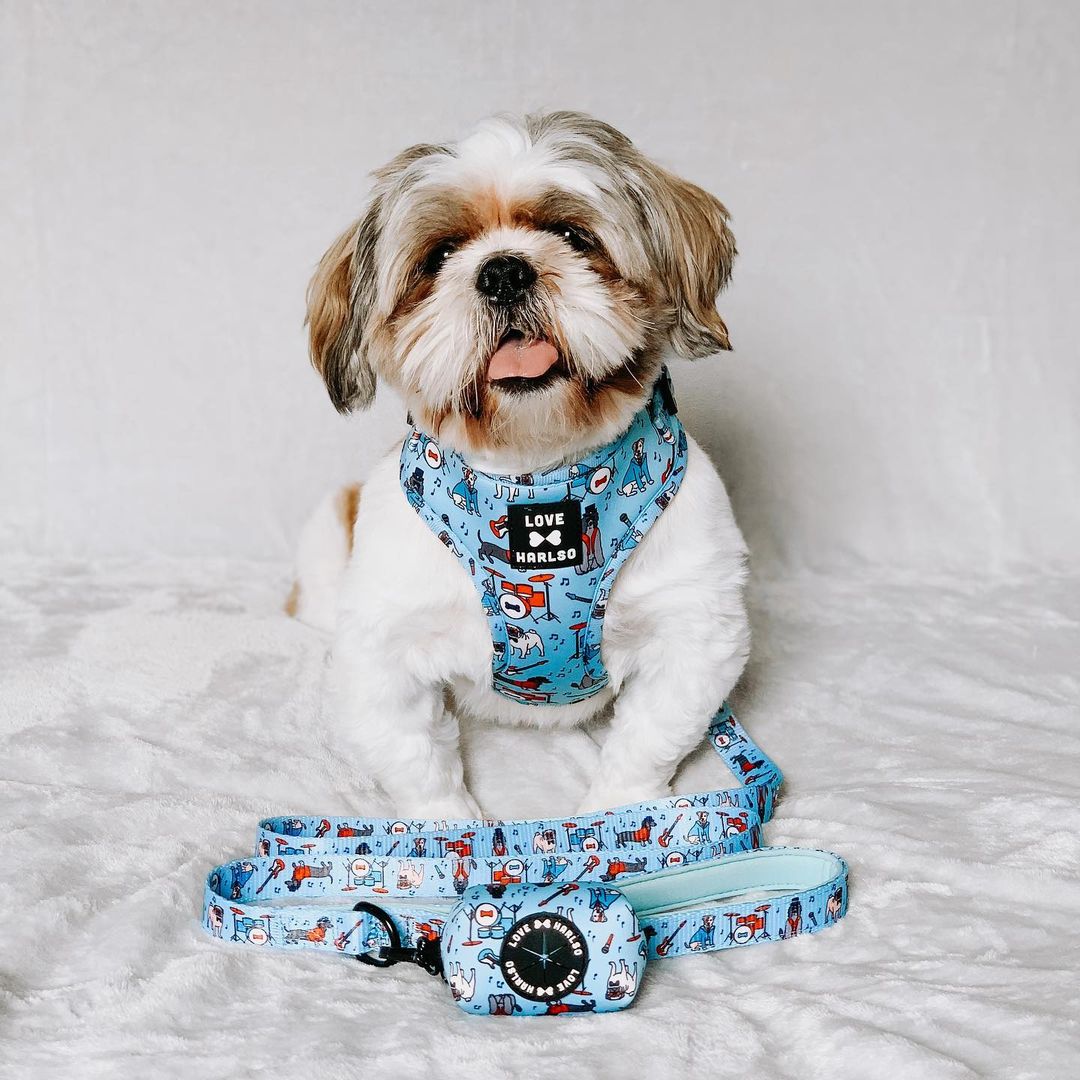
Dog or Donut on Dog

As a dog owner, you want to make sure that your furry friend is comfortable and secure during walks or any outdoor activities. One important piece of equipment you will need to purchase for your dog is a harness. It’s an excellent alternative to a traditional collar, offering more control over your dog while reducing the risk of injury or discomfort.

Why Choose a Harness?

A harness distributes pressure evenly across your dog’s chest and back, which is especially important for dogs who pull or have respiratory conditions. Conversely, a collar puts pressure on the neck, causing choking, gagging, or even damage to your dog’s trachea.

Additionally, harnesses allow you to control your dog’s movement and direction, making it easier to train them to walk on a leash. Additionally, harnesses provide a secure attachment point for a seatbelt, ensuring your dog’s safety during car rides.

Different Types of Harnesses

  • Back-Clip Harness: The leash attachment point is located on the back of the harness, making it easy to put on and take off. This type of harness is suitable for dogs who walk calmly on a leash.
  • Front-Clip Harness: This type of harness has a leash attachment point at the front of the chest, which helps discourage pulling by redirecting your dog’s attention.
  • Dual-Clip Harness: As the name suggests, this harness has two leash attachment points – one at the front and another at the back. This type of harness provides greater control and flexibility during walks, training, and other activities.
  • Step-In Harness: This type of harness is designed to be stepped into by the dog, making it easy to put on and take off. It typically has two loops around the dog’s legs and a strap across the dog’s chest or back.
  • Vest Harness: A vest harness covers the dog’s chest and back, providing more coverage and support than a traditional harness. It can also be used to keep the dog warm in colder weather.

Key Considerations When Choosing a Harness

  • Size and Fit: The harness should fit correctly and comfortably on your dog. Check the sizing chart and measure your dog’s chest and neck before purchasing.
  • Type of Harness: Take into account the kind of harness that will work best for your dog’s needs and behaviour.
  • Material: Look for a harness made of durable and comfortable material that will not rub or irritate your dog’s skin.
  • Leash Attachment: Consider the location and number of leash attachment point to determine the level of control and flexibility you need.
  • Ease of Use: Pick a harness that is easy to put on and take off, especially if you have a wiggly or anxious dog.
  • Reflective Features: If you plan to walk your dog at night or in low light conditions, choose a harness with reflective features to increase visibility and safety.
  • Price: While price is not always an indicator of quality, think about your budget and compare prices. Find a harness that is affordable and meets your needs.  

In Summary

When choosing a harness, consider your dog’s size, breed, and activity level. Look for a harness with adjustable straps and a comfortable fit, and make sure it is easy to put on and take off. Consider whether you need a front-clip or back-clip harness depending on your dog’s behaviour during walks. With the right harness, you can ensure your dog is safe and comfortable during any outdoor activity.

Love Harlso proudly offers a wide selection of dog harnesses that are specially designed with your dog’s comfort and safety in mind. Our harnesses are adjustable, easy to use, and come in a variety of sizes and styles to fit any breed and activity level. Shop online to find the perfect harness and accessories for your furry friend!
Posted on — Leave a comment

Harnessing the Power of Comfort for Your Furry Friend

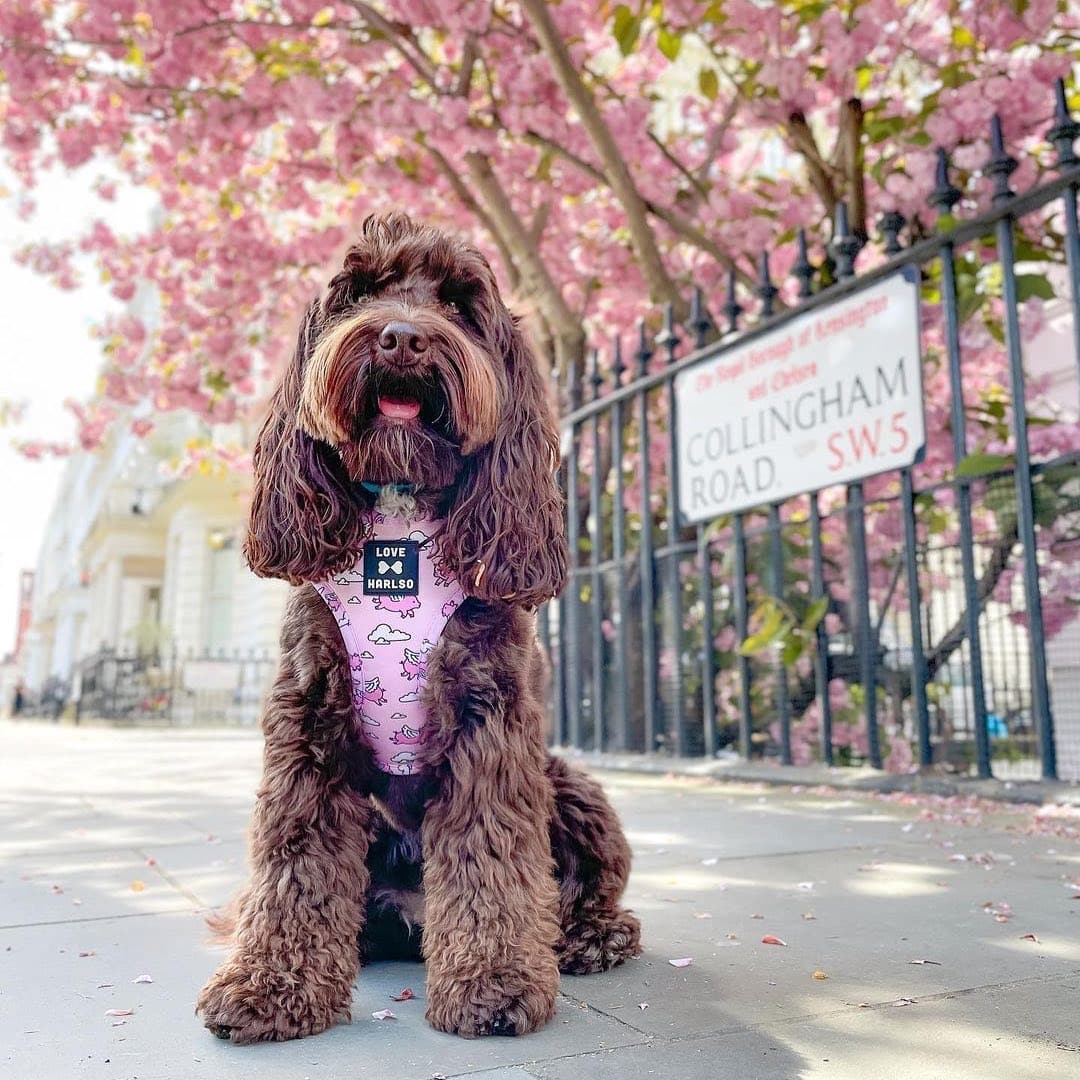
Pigs Might Fly on Cockapoo

Walking your dog is not only a great way to ensure they get enough exercise, but it’s also an excellent opportunity for bonding. However, when it comes to choosing a leash, many dog owners opt for collars. While collars might be a popular choice, they’re not always the best option. In fact, there are several reasons why your dog should walk on a harness instead of a collar.

Prevents Choking and Breathing Issues

One of the most significant advantages of using a harness is that it prevents choking and breathing issues. When walking your dog on a collar, it puts pressure on their neck, which can cause breathing difficulties and even choking. This is especially true for dogs that tend to pull on their leash. In contrast, a harness distributes the pressure across your dog’s chest, which is much safer and more comfortable for your dog.

Reduces Risk of Injury

Another benefit of using a harness is that it reduces the risk of injury. When your dog pulls on a collar, it can cause strain on their neck, which can lead to injuries such as muscle strains, tracheal collapse, and even spinal cord damage. A harness, on the other hand, distributes the pressure across your dog’s body, reducing the risk of injury.

Helps Control Pulling

If your dog is a strong puller, walking them on a collar can be a challenge. Fortunately, a harness can help control pulling. Harnesses are designed to discourage pulling by redirecting your dog’s energy and providing better control. This can make walks much more comfortable for both you and your dog.

Provides Better Control

In addition to helping control pulling, harnesses also offer better control overall. Collars can slip off or get tangled, making it difficult to manage your dog. Harnesses, on the other hand, are much more secure and provide better control, which is especially important if you have a large or strong dog.

Ideal for Small Breeds

For small breeds, collars can be particularly dangerous. Small dogs are more delicate than larger breeds, and a collar can put too much pressure on their necks, leading to injury. A harness is a much safer option for small breeds, as it distributes the pressure across their chest and back.

Comfortable for Long Walks

If you enjoy long walks with your dog, a harness is a much more comfortable option. Collars can rub against your dog’s skin and cause irritation, especially on longer walks. Harnesses, on the other hand, are designed to be comfortable, even on longer walks, making them an ideal choice for those who like to explore the great outdoors with their furry friend.

Helps Train Your Dog

Finally, harnesses can also be useful for training your dog. If your dog is new to walking on a leash, a harness can help them get used to the sensation without causing discomfort or injury. Additionally, harnesses can be used to train your dog to walk calmly and politely on a leash, making walks much more enjoyable for both you and your dog.

Conclusion

While collars might be the go-to choice for many dog owners, a harness is a much safer and more comfortable option. Harnesses help prevent choking and breathing issues, reduce the risk of injury, control pulling, provide better control overall, and are ideal for small breeds and long walks. Additionally, they can be useful for training your dog. If you’re considering using a harness for your furry friend, there are many options available on the market, so be sure to choose one that fits your dog properly and is comfortable for them to wear.

Looking for a stylish and comfortable dog harness? Look no further than Love Harlso! Our adjustable dog harnesses are the perfect fit for your furry friend. Upgrade your pup’s look and comfort with Love Harlso dog harnesses today!

Posted on — Leave a comment

Dog Harness Fitting 101: How to Measure for Comfort & Safety

20210528 174121 rotated

As a responsible dog owner, you want to ensure your furry friend is safe and secure during walks and outdoor activities. One way to do this is using a harness instead of a collar, as it distributes the pressure of the leash across your dog’s chest and back, reducing the risk of injury or choking.

However, it’s important to measure your dog correctly to ensure the harness fits properly and doesn’t cause discomfort or rubbing. Here are the steps to measure your dog for a harness:

1. Choose the Right Harness Type

There are several types of harnesses available, each with its own unique design and purpose. The most common ones include standard harnesses, no-pull harnesses, front-clip harnesses, and back-clip harnesses.

It’s important to choose the right type of harness for your dog’s size, breed, and behaviour. For example, a no-pull harness is ideal for dogs that tend to pull on the leash, while a back-clip harness is suitable for small or calm dogs.

2. Measure the Dog’s Neck

The first step is to measure the circumference of your dog’s neck, where the collar usually sits. Use a soft measuring tape or a piece of string and then measure it against a ruler. Make sure to measure loosely, as you want to ensure that the harness is not too tight around your dog’s neck. Write down the measurement in inches or centimetres.

3. Measure the Dog’s Chest

Next, you must measure the widest part of your dog’s chest, just behind the front legs. This is where the harness will sit, and it’s essential to get an accurate measurement to ensure a snug fit.

Again, use a soft measuring tape or a string and then measure it against a ruler. Make sure not to pull the tape too tightly, as you want to allow room for your dog to breathe and move comfortably. Write down the measurement in inches or centimetres.

4. Check the Sizing Chart

Once you have the measurements, you’ll need to check the sizing chart provided by the harness manufacturer. Each brand may have slightly different measurements, so it’s essential to follow their guidelines to find the right size for your dog. The sizing chart will typically include the neck and chest measurements, weight range and breed suggestions. Take note of the recommended size for your dog and double-check that it matches your measurements.

5. Fit the Harness on Your Dog

Once you have the right size harness, it’s time to try it on your dog. Make sure your dog is calm and relaxed, and then slip the harness over their head and clip the buckles around their chest. 

Adjust the straps as needed to ensure a snug fit, but not too tight that it restricts your dog’s movement or breathing. You should be able to fit one or two fingers between the harness and your dog’s skin. Once the harness is fitted correctly, attach the leash to the appropriate clip and take your dog for a walk to test it out.

6. Check for Signs of Discomfort

After your walk, check your dog for any discomfort or rubbing from the harness. Look for areas of redness, irritation, or hair loss, which could indicate that the harness is too tight or rubbing in certain areas. If you notice any issues, adjust the straps accordingly and try again. It may take a few tries to get the perfect fit, but it’s worth it to ensure your dog’s safety and comfort.

Final Thoughts

Measuring your dog for a harness is a simple process that can make a big difference in your dog’s safety and comfort during walks. By choosing the right type of harness and following the steps to measure your dog correctly, you can ensure that the harness fits snugly and doesn’t cause discomfort or rubbing.

Remember to check the sizing chart and make adjustments as needed, and always monitor your dog for signs of discomfort or irritation. With the right harness and a proper fit, you and your furry friend can enjoy many happy and safe walks together.

If you want to ensure your dog is comfortable with their harness, check out Love Harlso and our adjustable harness for dogs! With its added features, you’ll find the right fit for your furry friend. Choose among our best styles and designs, and place your order now!

Posted on — 1 Comment

Your Guide to Differentiating a Dog Collar and Harness

20220327 132453 rotated

Whether you have a small lap pup or a big protective dog, there’s nothing more rewarding than becoming a responsible pet owner. This endeavour means ensuring your furry friend is happy and healthy. It also means caring for and protecting them appropriately, especially in our dangerous world. 

Besides keeping them from harm’s way, one of the most significant aspects of responsible pet ownership is providing your furbaby with the right equipment, like a collar or harness. These valuable tools will help them stay safe and secure. However, determining the best one can be tricky since many shops offer collars and harnesses in various cute patterns. 

If you’re ready to help your cute and cuddly companion live safely and happily, this article will help you differentiate between a dog collar and a harness. 

What Are the Advantages of Getting a Dog Collar?

If you’ll keep your dog on a leash for an extended period, it’s better to use a collar as it allows the dog to move freely without any straps around their body. Also, collars are more comfortable for long-haired dogs as it prevents strands from getting tangled in the straps. However, if your dog tends to pull, a collar can discourage and not stop it. Meanwhile, harnesses provide more freedom around the neck area, making it easier for dogs to pull.

What Are the Benefits of Purchasing a Dog Harness?

Dogs have more sensitive necks than humans as it contains essential muscles, veins, and the spine. Applying pressure to this area can cause tension and harm the dog. 

You can stop this by investing in a harness instead of a collar. A harness distributes pressure evenly and reduces the risk of hurting the dog’s neck and vital parts. It’s also ideal for dogs with respiratory problems or those who easily pop out their eyes due to pressure. Moreover, if travelling with a dog, it’s safer to buckle them up using a harness during an emergency stop.

How Can I Know If My Dog Needs a Collar or Harness?

Selecting between a dog collar and a dog harness with cute patterns depends on what suits you and your furry friend better. Although other pooches favour collars for their comfort, others may prefer harnesses. However, no collar or harness can help address this issue if your dog tends to pull. You can help train your dog to stop tugging and make walks with your dog a more pleasant experience by seeking professional advice. 

How to Measure for a Dog Leash

Once you find the best type to get, you must choose the appropriate leash size, as the wrong one can eventually cause issues. Measuring a dog collar is simple–you must measure the circumference of your dog’s neck. You can ensure the right fit by checking you can place two fingers between the neck and the collar. If there’s more space than that, the collar could be too big, and the dog might escape. In contrast, a tight fit could indicate the collar’s too small and cause discomfort. 

How to Measure the Proper Fit and Size for a Dog Harness

You can ensure the proper fit for a dog harness by measuring the chest circumference and checking if you can fit your hand underneath it. This step will prevent the material from being too tight. It’s also a bonus if your chosen collars and harnesses are adjustable for your dog’s comfort. Moreover, you can buy a matching leash and these items with cute items for a stylish look. That way, your pet will be the envy of the neighbourhood!

Conclusion

Knowing if you should get a dog collar or harness for your pet can be challenging, especially when shops offer many cute options. Considering their needs and measuring correctly, you can help your furbaby stay secure and comfortable during daily walks. 

If you need cute dog collars and harnesses for your furbaby in Northern Ireland, visit Love Harlso! Our shop offers stylish, adjustable harnesses to help fur parents find the right fit for their pets. Shop now to keep your furbaby safe and fashionable!

Posted on — Leave a comment

Dog Harnesses 101: 3 Types & Sizing Tips

DAB29545 4F83 4ECF 951C 2EF1EBDDAF27

Dog harnesses are essential tools for pet owners. They are designed to provide comfort and safety for dogs during walks, car rides, and outdoor adventures. 

However, with so many types and sizes of dog harnesses available in the market, choosing the right one can be overwhelming. This article will discuss the three types of dog harnesses and offer sizing tips to help you find the perfect fit for your furry friend.

1. Back Clip Harness

Back clip harnesses are the most common type of dog harnesses. They feature a D-ring on the dog’s back, where you can attach the leash. Back clip harnesses are easy to use and control your dog well. They are suitable for small to medium sized dogs that do not pull excessively on the leash. 

However, they are not recommended for large, strong dogs that tend to pull, as they can cause strain on the dog’s neck and spine.

2. Front Clip Harness

Front clip harnesses have a D-ring on the front of the dog’s chest. This design helps to discourage pulling by redirecting the dog’s attention towards you. Front clip harnesses are ideal for dogs that tend to pull on leashes and are suitable for all sizes of dogs. 

They also provide better control over the dog’s movements, making them excellent for training and walking.

3. No Pull Harness

No pull harnesses are designed to prevent dogs from pulling on the leash. They feature a front and back clip, allowing more control over the dog’s movements. No pull harnesses are ideal for large and strong dogs that tend to pull on the leash. 

They are also suitable for dogs that tend to escape from their harnesses. However, they can be more challenging to put on and take off than other harnesses.

Sizing Tips for Dog Harnesses

Choosing the right dog harness size is crucial for your dog’s comfort and safety. Too tight harnesses can cause discomfort and restrict the dog’s movement, while an excessively-loose harness can slip off or cause chafing. Here are some sizing tips to help you find the ideal fit for your furry companion.

1. Measure your Dog’s Girth

The girth is the widest part of your dog’s ribcage, just behind the front legs. Use a measuring tape to measure your dog’s girth, and add two inches to the measurement to ensure a comfortable fit. Most harnesses have sizing charts to help you find the right size based on your dog’s girth measurement.

2. Check the Harness’s Adjustability

Most harnesses come with adjustable straps that allow you to customize the fit to your dog’s body. Check the harness’s adjustability before purchasing to make sure that you can make the necessary adjustments to fit your dog’s body shape.

3. Consider Your Dog’s Breed and Body Type

Different breeds and body types require different types of harnesses. For example, small dogs with delicate necks may benefit from a harness that distributes pressure evenly across the chest. On the other hand, large and muscular dogs may require a harness that offers more control over their movements. Consider your dog’s breed and body type when choosing a harness.

Final Thoughts

Dog harnesses are essential for pet owners who want to provide comfort and safety for their furry friends during walks and outdoor activities. Choosing the right type and size of harness is crucial for your dog’s comfort and safety.

Back clip harnesses are ideal for small to medium-sized dogs that do not pull excessively on the leash, while front clip and no-pull harnesses are suitable for all dogs. Use the sizing tips mentioned above to ensure you choose the right harness size for your furry friend.

Get your furry friend the perfect fit and comfort with Love Harlso’s high-quality dog harnesses. Shop now and ensure your dog’s safety during walks and outdoor activities. Choose Love Harlso, your trusted source for all your dog harness needs.