


A collar is the one thing your dog wears every day: it holds their ID tag, clips to the lead and says a lot about who they are, so it is worth choosing carefully. This guide brings together everything you need to know about choosing a dog collar — how it should fit, how to measure your dog’s neck, which type suits which dog, and what to look for in materials, safety features and price. It also covers collars for dachshunds and other small dogs, and if you are still deciding between a collar and a harness, our collar vs harness guide can help you choose.
-
Product on sale
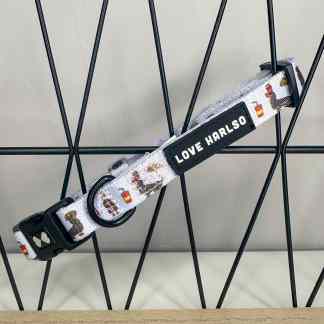
 Collar – Fast FoodOriginal price was: £10.00.£5.00Current price is: £5.00.
-
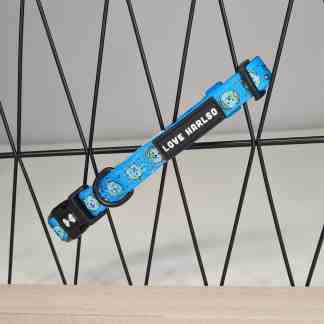
Product on saleCollar – RetroOriginal price was: £10.00.£5.00Current price is: £5.00.
-
Product on saleCollar – It’s A Dogs WorldOriginal price was: £10.00.£5.00Current price is: £5.00.

How Tight Should a Dog Collar Be?
Finding the right fit for your dog’s collar is crucial for their safety and comfort. A well-fitted collar should sit snugly at the base of the neck: close enough that it cannot slip over your dog’s ears, but loose enough to slide two fingers between the collar and your dog’s neck. If you cannot fit two fingers in comfortably, the collar is too tight; if you can fit more than two, it is too loose and could slip off. A collar that is too tight can rub, cause discomfort and even injure your dog, while one that is too loose might slip off and lead to your dog getting lost. For dachshunds and other small dogs, choose a lightweight, narrow collar with a small buckle, so it does not weigh on their neck or rub — and if your dog pulls, a harness may suit them better than a collar alone.

How Should You Measure a Dog Collar?
Before purchasing a collar, you should measure your dog’s neck to determine the correct size.
To do this, you’ll need a flexible measuring tape or a piece of string to measure later. Wrap the
tape or string around the base of your dog’s neck, ensuring it’s snug but not too tight. Add two
inches to the measurement to account for the space needed to fit two fingers between the collar
and your dog’s neck. This will give you the correct collar size for your dog.
What Type of Dog Collar Should Your Pet Wear?
There are various types of dog collars available in the market, and the choice depends on your
dog’s breed, size, and training needs. Some popular types of collars include:
- Flat Collars: These are the most common type of dog collars and are suitable for most dogs.
They usually come with a buckle or quick-release clasp and are available in various materials,
including nylon, leather, and fabric. - Martingale Collars: Also known as limited-slip collars, these are designed for dogs with
narrow heads or those who tend to slip out of their collars. The martingale collar tightens slightly
when the dog pulls, preventing escape without choking the dog. - Head Collars: These collars are designed for dogs that pull on their leash and help redirect
their pulling force without causing injury. Head collars should only be used during walks and
under supervision. - Training Collars: Also known as choke chains or pinch collars, these collars are used for
training purposes and should only be used under the guidance of a professional trainer.
What Other Things Must You Consider When Getting a Dog Collar?
Apart from the fit and type of collar, there are additional factors you should consider when
purchasing a dog collar: - Material: Choose a collar made from durable and comfortable materials such as leather,
nylon, or fabric. Avoid materials that might cause irritation or allergies to your dog’s skin. - Visibility: Opt for a collar with reflective or high-visibility materials to ensure your dog’s safety
during nighttime walks. - Personalisation: Many collars come with customisable nameplates or tags, which can be
helpful in case your dog gets lost. - Attachments: Ensure the collar has a sturdy D-ring for attaching a leash and an ID tag.
Final Thoughts
Choosing the perfect dog collar is essential for your pet’s safety, comfort, and training. By considering factors such as fit, collar type, material, and visibility, you can find the ideal collar for your furry friend. With the right collar, you and your pet can enjoy many happy and safe walks together! For cute dog collars and accessories, check out Love Harlso. We design collars and harnesses perfect for all types of dogs. Because they are adjustable, you can ensure you get the perfect fit.
Choosing a collar for a dachshund or small dog
Dachshunds have long backs and relatively delicate necks, so a heavy collar can pull and rub. Choose a lightweight, narrow collar with a small, soft buckle, and make sure it sits high enough that it cannot slip over their ears. The two-finger check is especially important for small dogs, as even a little extra weight or width can bother them. The same advice applies to other small breeds, such as Chihuahuas and toy breeds: keep the collar light, keep the D-ring small and check the fit every few weeks, particularly while a puppy is still growing.
Collar or harness, or both?
Most dogs benefit from having both. A collar is the simplest place for an ID tag and is handy for quick trips outside, while a harness spreads pressure across the chest and is kinder for dogs that pull, for puppies and for breeds prone to neck or breathing problems, such as pugs and French bulldogs. If you are still deciding, our guide to choosing between a collar and a harness compares the two in full.
Safety, price and everyday use
Look for safety features that suit how your dog lives: reflective or high-visibility material if you walk after dark, a sturdy quick-release buckle that is easy to undo in a hurry and a strong D-ring that will not bend under pressure. As for price, a good collar does not have to be expensive, so compare materials and workmanship rather than price alone. Finally, check the fit regularly: puppies grow fast, and even adult dogs gain or lose weight, so re-check the two-finger fit every few weeks and replace a collar that is frayed, stiff or no longer adjusts smoothly.
Frequently asked questions – How tight should a dog collar be? Snug enough that you can slide two fingers between the collar and your dog’s neck, but not so loose that it can slip over their ears. How do I measure my dog for a collar? Wrap a flexible tape or a piece of string around the base of your dog’s neck, add two inches and check the result against our collar sizing guide. Can my dog wear a collar and a harness together? Yes. Many owners use a collar for the ID tag and a harness for walks, which gives you control without putting pressure on your dog’s neck.

[…] A collar that fits well keeps your dog safe and comfortable, and finding the right size starts with one simple measurement: your dog’s neck. This guide shows you how to measure your dog for a collar, what width to choose for your dog’s size and breed, and how to adjust the fit as your dog grows. It covers dachshunds and other small dogs too, and if you also need help choosing the style and material, see our guide to choosing a dog collar. […]