
Posted on 1 Comment

Your Guide to Differentiating a Dog Collar and Harness

20220327 132453 rotated

Whether you have a small lap pup or a big protective dog, there’s nothing more rewarding than becoming a responsible pet owner. This endeavour means ensuring your furry friend is happy and healthy. It also means caring for and protecting them appropriately, especially in our dangerous world. 

Besides keeping them from harm’s way, one of the most significant aspects of responsible pet ownership is providing your furbaby with the right equipment, like a collar or harness. These valuable tools will help them stay safe and secure. However, determining the best one can be tricky since many shops offer collars and harnesses in various cute patterns. 

If you’re ready to help your cute and cuddly companion live safely and happily, this article will help you differentiate between a dog collar and a harness. 

What Are the Advantages of Getting a Dog Collar?

If you’ll keep your dog on a leash for an extended period, it’s better to use a collar as it allows the dog to move freely without any straps around their body. Also, collars are more comfortable for long-haired dogs as it prevents strands from getting tangled in the straps. However, if your dog tends to pull, a collar can discourage and not stop it. Meanwhile, harnesses provide more freedom around the neck area, making it easier for dogs to pull.

What Are the Benefits of Purchasing a Dog Harness?

Dogs have more sensitive necks than humans as it contains essential muscles, veins, and the spine. Applying pressure to this area can cause tension and harm the dog. 

You can stop this by investing in a harness instead of a collar. A harness distributes pressure evenly and reduces the risk of hurting the dog’s neck and vital parts. It’s also ideal for dogs with respiratory problems or those who easily pop out their eyes due to pressure. Moreover, if travelling with a dog, it’s safer to buckle them up using a harness during an emergency stop.

How Can I Know If My Dog Needs a Collar or Harness?

Selecting between a dog collar and a dog harness with cute patterns depends on what suits you and your furry friend better. Although other pooches favour collars for their comfort, others may prefer harnesses. However, no collar or harness can help address this issue if your dog tends to pull. You can help train your dog to stop tugging and make walks with your dog a more pleasant experience by seeking professional advice. 

How to Measure for a Dog Leash

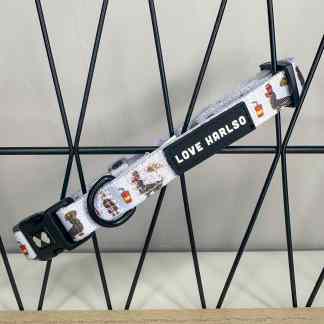
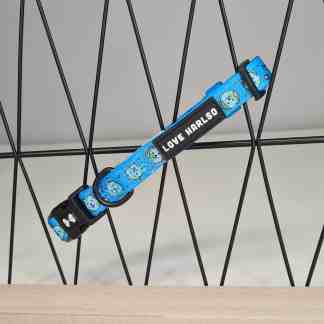
Once you find the best type to get, you must choose the appropriate leash size, as the wrong one can eventually cause issues. Measuring a dog collar is simple–you must measure the circumference of your dog’s neck. You can ensure the right fit by checking you can place two fingers between the neck and the collar. If there’s more space than that, the collar could be too big, and the dog might escape. In contrast, a tight fit could indicate the collar’s too small and cause discomfort. 

How to Measure the Proper Fit and Size for a Dog Harness

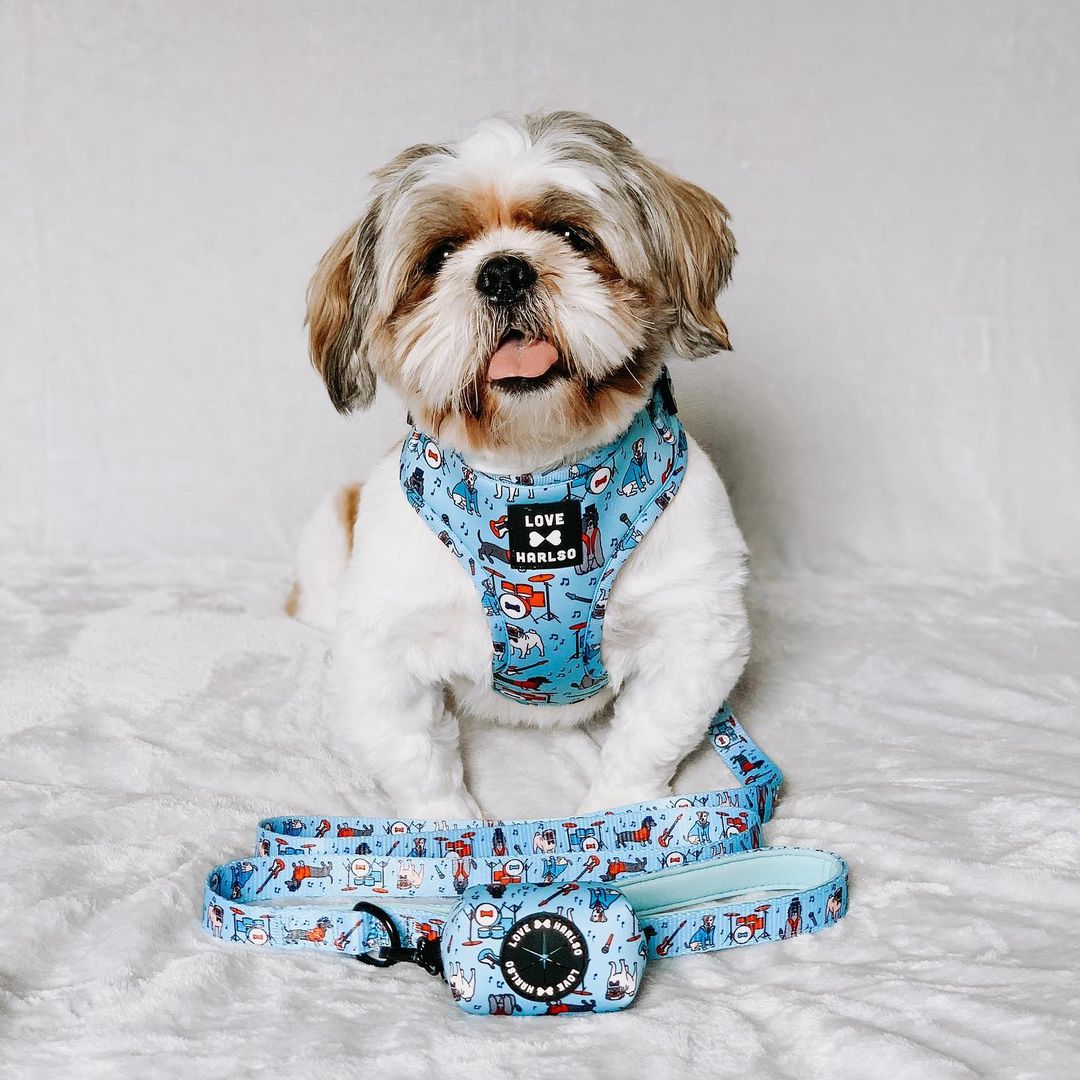
You can ensure the proper fit for a dog harness by measuring the chest circumference and checking if you can fit your hand underneath it. This step will prevent the material from being too tight. It’s also a bonus if your chosen collars and harnesses are adjustable for your dog’s comfort. Moreover, you can buy a matching leash and these items with cute items for a stylish look. That way, your pet will be the envy of the neighbourhood!

Conclusion

Knowing if you should get a dog collar or harness for your pet can be challenging, especially when shops offer many cute options. Considering their needs and measuring correctly, you can help your furbaby stay secure and comfortable during daily walks. 

If you need cute dog collars and harnesses for your furbaby in Northern Ireland, visit Love Harlso! Our shop offers stylish, adjustable harnesses to help fur parents find the right fit for their pets. Shop now to keep your furbaby safe and fashionable!

Posted on Leave a comment

The Ultimate Guide to Getting Your Dog Comfortable with a Harness

Excuse My French on French Bulldog

Getting your dog comfortable with a harness can be a bit of a challenge, especially if your furry friend is not used to wearing any type of clothing. However, you can train your dog to wear a harness comfortably with patience and persistence. In this article, we’ll go through some tips and tricks on how to get your dog comfortable with a harness.

Choose the Right Harness

Before you begin to train your dog to wear a harness, choosing the right type of harness is essential. Various harnesses are available, including step-in, vest, and front-clip harnesses. 

Selecting a harness that fits your dog’s body type and size is essential. 

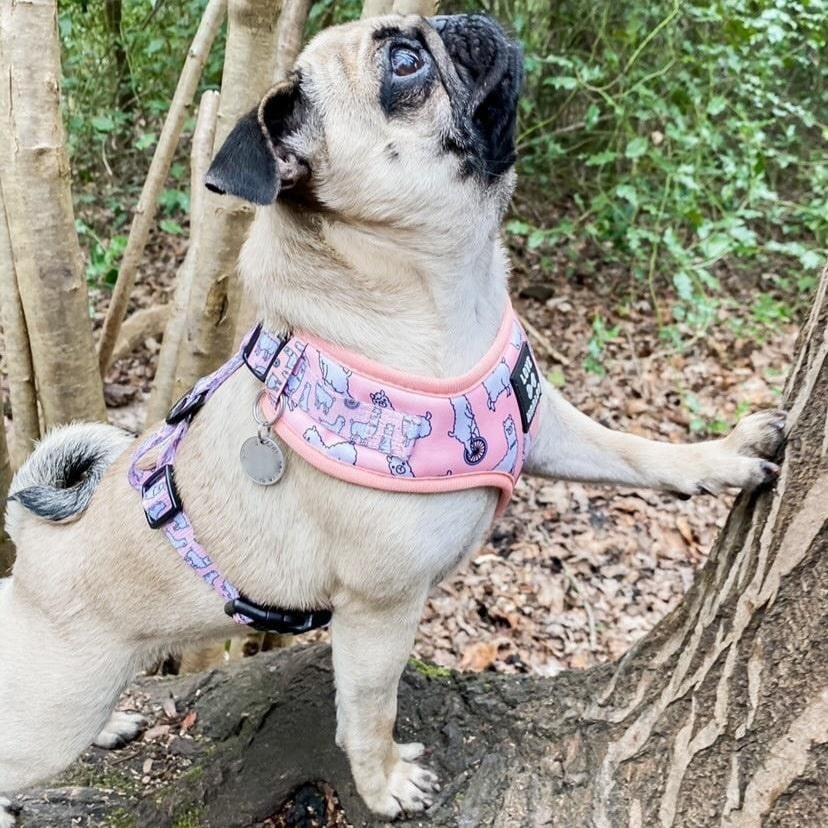
A properly fitting harness should be snug on your dog’s body but not too tight. The harness should also be made of a comfortable material, such as nylon or neoprene.

Introduce the Harness Gradually

Once you have selected the right harness for your dog, it’s time to introduce it to them. Start by placing the harness on the floor and letting your dog sniff and investigate it. 

You can also give your dog treats while the harness is on the floor to create a positive association with it. After a few minutes, take the harness off the floor and hold it near your dog’s body. If your dog is comfortable with this, you can try to put the harness on them.

Positive Reinforcement

Positive reinforcement is a great way to get your dog comfortable with a harness. Whenever your dog shows interest in the harness or allows you to put it on them, reward them with treats or praise. You can also try treating your dog when you put the harness on them. This will help them associate the harness with positive experiences.

Practise Putting the Harness On and Off

Practise putting the harness on and off your dog several times a day. This will help your dog get used to the feeling of the harness and make putting it on and taking it off easier for both of you. It’s also important to be patient during this process. If your dog seems uncomfortable or doesn’t want to wear the harness, take a break and try again later.

Take Short Walks

Once your dog is comfortable wearing the harness, it’s time to take them for a walk. Start with short walks around the house or backyard, and gradually increase the distance and duration of the walks. During the walks, reward your dog with treats or praise for good behaviour. It’s essential to pay attention to your dog’s body language during the walks. If they seem uncomfortable or scared, take a break and try again later.

Make it a Positive Experience

It’s important to make wearing a harness a positive experience for your dog. You can do this by associating the harness with things your dog loves, such as treats, playtime, or walking. It’s also important to avoid using the harness as punishment or restraint. This can create a negative association with the harness, making it more challenging to get your dog comfortable.

Conclusion

Getting your dog comfortable with a harness takes time, patience, and persistence. Choosing the correct tackle, introducing it gradually, and using positive reinforcement are all keys to getting your dog comfortable wearing a harness. Remember to make wearing a harness a positive experience for your dog and take breaks if your dog seems uncomfortable or scared. You can train your dog to wear a harness comfortably and safely with patience and persistence.

Get high-quality adjustable harness for dogs here a Love Harlso. We have a wide selection of fun and stylish dog harnesses and accessories you can choose from. Shop now.

Posted on Leave a comment

When Can Your Puppy Start Walking Outside?

IMG 20210316 140434 775

Bringing a new puppy home is an exciting and joyous experience for any pet owner. However, many new dog owners often question whether walking their furry friend outside is safe. So before attaching the adjustable harness to your furry friend, here’s everything you need to know about when to walk your puppy outside and how to do it safely.

The Relationship Between Your Puppy’s Age and Outside Walking

Your puppy’s age determines when it is safe to take them outside for their first walk. Generally, puppies should only be taken outside after their first vaccinations. Typically, this happens between 6 to 8 weeks of age.

Vaccinations protect your puppy from serious illnesses such as parvovirus and distemper, which can be fatal for your furry friend. After your puppy has received their vaccinations, you can take them outside for short walks to help them socialise and get some exercise.

Things to Remember When Walking Your Puppy Outside

Increase the Duration and Intensity of Walks Gradually

Puppies have delicate and developing bones and joints that need time to adjust to the stress of walking and running. A good rule of thumb is to start with a 5-minute walk and gradually increase it by 5 minutes each week. This will help your puppy build their endurance and prevent injuries.

Consider Your Puppy’s Size and Breed

Smaller breeds like Chihuahuas and Toy Poodles have delicate bones and joints that are more susceptible to injuries. On the other hand, larger breeds like Great Danes and Mastiffs grow much faster and have a higher risk of developing joint problems. You should always consult with your veterinarian to determine the ideal walking routine for your puppy based on their size and breed.

Invest in the Right Equipment When Taking Your Puppy for a Walk

If you have a puppy, an adjustable harness for dogs can be beneficial as you can modify the size as your dog grows. In contrast to collars, these harnesses evenly distribute the weight across the chest and shoulders, which helps to avoid stress on the neck or throat. Additionally, a high-quality harness offers more authority over your puppy, making it simpler to manage them while walking and preventing them from pulling or jerking.

Always Ensure They Wear a Leash

Even the most well-behaved puppies can easily get distracted and wander off, putting them at risk of accidents and injuries. A leash also helps prevent your puppy from interacting with other dogs, which can be dangerous if they have not received all their vaccinations yet.

Choose a Safe and Appropriate Walking Location for Your Puppy

Avoid walking your puppy on hot pavement or asphalt during the summer months, as it can burn their paws and cause heatstroke. Instead, choose shaded areas or grassy patches where your puppy can walk comfortably. You should also avoid walking your puppy near busy roads or areas with a lot of traffic to prevent accidents.

Final Thoughts

Walking your puppy outside is an important part of their development and socialisation. Whether investing in an adjustable harness or a short leash, ensure your puppy is comfortable and safe during their walks. Following these tips ensures your puppy stays safe and healthy while enjoying their outside walks.

Get your furry friend the perfect fit with Love Harlso’s adjustable harnesses! Say goodbye to uncomfortable walks and hello to happy adventures. Shop now and give your dog the comfort they deserve!

Posted on Leave a comment

What Pet Owners Must Know About Choosing Dog Collars

Screenshot 20210317 000454 Instagram

When it comes to choosing the right dog collar for your pet, there are a plethora of options
available in the market. However, not all collars are created equal, and it’s essential to choose
one that suits your dog’s breed, size, and personality.
In this blog post, we’ll discuss the essential factors to consider when selecting the perfect collar
for your furry friend.

How Tight Should a Dog Collar Be?


Finding the right fit for your dog’s collar is crucial to ensure their safety and comfort. A well-fitted
collar should be tight enough.
To check the fit, you should be able to easily slide two fingers between the collar and your dog’s
neck. If you can’t fit two fingers comfortably, the collar is too tight, and if you can fit more than
two fingers, the collar is too loose. A too-tight collar can cause discomfort and injury, while a
too-loose collar might easily slip off and lead to your dog getting lost.

Dachshund wearing a dog collar


How Should You Measure a Dog Collar?


Before purchasing a collar, you should measure your dog’s neck to determine the correct size.
To do this, you’ll need a flexible measuring tape or a piece of string to measure later. Wrap the
tape or string around the base of your dog’s neck, ensuring it’s snug but not too tight. Add two
inches to the measurement to account for the space needed to fit two fingers between the collar
and your dog’s neck. This will give you the correct collar size for your dog.
What Type of Dog Collar Should Your Pet Wear?
There are various types of dog collars available in the market, and the choice depends on your
dog’s breed, size, and training needs. Some popular types of collars include:

  1. Flat Collars: These are the most common type of dog collars and are suitable for most dogs.
    They usually come with a buckle or quick-release clasp and are available in various materials,
    including nylon, leather, and fabric.
  2. Martingale Collars: Also known as limited-slip collars, these are designed for dogs with
    narrow heads or those who tend to slip out of their collars. The martingale collar tightens slightly
    when the dog pulls, preventing escape without choking the dog.
  3. Head Collars: These collars are designed for dogs that pull on their leash and help redirect
    their pulling force without causing injury. Head collars should only be used during walks and
    under supervision.
  4. Training Collars: Also known as choke chains or pinch collars, these collars are used for
    training purposes and should only be used under the guidance of a professional trainer.
    What Other Things Must You Consider When Getting a Dog Collar?
    Apart from the fit and type of collar, there are additional factors you should consider when
    purchasing a dog collar:
  5. Material: Choose a collar made from durable and comfortable materials such as leather,
    nylon, or fabric. Avoid materials that might cause irritation or allergies to your dog’s skin.
  6. Visibility: Opt for a collar with reflective or high-visibility materials to ensure your dog’s safety
    during nighttime walks.
  7. Personalisation: Many collars come with customisable nameplates or tags, which can be
    helpful in case your dog gets lost.
  8. Attachments: Ensure the collar has a sturdy D-ring for attaching a leash and an ID tag.

Final Thoughts


Choosing the perfect dog collar is essential for your pet’s safety, comfort, and training. By
considering factors such as fit, collar type, material, and visibility, you can find the ideal collar for
your furry friend. With the right collar, you and your pet can enjoy many happy and safe walks
together!
For cute dog collars and accessories, check out Love Harlso. We design collars and harnesses
perfect for all types of dogs. Because they are adjustable, you can ensure you get the perfect fit.
Check out the designs and place your order now! You can also use code ‘FREECOLLAR’ at checkout to get a free collar when you buy a harness!

Posted on Leave a comment

Dog Harnesses 101: 3 Types & Sizing Tips

DAB29545 4F83 4ECF 951C 2EF1EBDDAF27

Dog harnesses are essential tools for pet owners. They are designed to provide comfort and safety for dogs during walks, car rides, and outdoor adventures. 

However, with so many types and sizes of dog harnesses available in the market, choosing the right one can be overwhelming. This article will discuss the three types of dog harnesses and offer sizing tips to help you find the perfect fit for your furry friend.

1. Back Clip Harness

Back clip harnesses are the most common type of dog harnesses. They feature a D-ring on the dog’s back, where you can attach the leash. Back clip harnesses are easy to use and control your dog well. They are suitable for small to medium sized dogs that do not pull excessively on the leash. 

However, they are not recommended for large, strong dogs that tend to pull, as they can cause strain on the dog’s neck and spine.

2. Front Clip Harness

Front clip harnesses have a D-ring on the front of the dog’s chest. This design helps to discourage pulling by redirecting the dog’s attention towards you. Front clip harnesses are ideal for dogs that tend to pull on leashes and are suitable for all sizes of dogs. 

They also provide better control over the dog’s movements, making them excellent for training and walking.

3. No Pull Harness

No pull harnesses are designed to prevent dogs from pulling on the leash. They feature a front and back clip, allowing more control over the dog’s movements. No pull harnesses are ideal for large and strong dogs that tend to pull on the leash. 

They are also suitable for dogs that tend to escape from their harnesses. However, they can be more challenging to put on and take off than other harnesses.

Sizing Tips for Dog Harnesses

Choosing the right dog harness size is crucial for your dog’s comfort and safety. Too tight harnesses can cause discomfort and restrict the dog’s movement, while an excessively-loose harness can slip off or cause chafing. Here are some sizing tips to help you find the ideal fit for your furry companion.

1. Measure your Dog’s Girth

The girth is the widest part of your dog’s ribcage, just behind the front legs. Use a measuring tape to measure your dog’s girth, and add two inches to the measurement to ensure a comfortable fit. Most harnesses have sizing charts to help you find the right size based on your dog’s girth measurement.

2. Check the Harness’s Adjustability

Most harnesses come with adjustable straps that allow you to customize the fit to your dog’s body. Check the harness’s adjustability before purchasing to make sure that you can make the necessary adjustments to fit your dog’s body shape.

3. Consider Your Dog’s Breed and Body Type

Different breeds and body types require different types of harnesses. For example, small dogs with delicate necks may benefit from a harness that distributes pressure evenly across the chest. On the other hand, large and muscular dogs may require a harness that offers more control over their movements. Consider your dog’s breed and body type when choosing a harness.

Final Thoughts

Dog harnesses are essential for pet owners who want to provide comfort and safety for their furry friends during walks and outdoor activities. Choosing the right type and size of harness is crucial for your dog’s comfort and safety.

Back clip harnesses are ideal for small to medium-sized dogs that do not pull excessively on the leash, while front clip and no-pull harnesses are suitable for all dogs. Use the sizing tips mentioned above to ensure you choose the right harness size for your furry friend.

Get your furry friend the perfect fit and comfort with Love Harlso’s high-quality dog harnesses. Shop now and ensure your dog’s safety during walks and outdoor activities. Choose Love Harlso, your trusted source for all your dog harness needs.