
Posted on — Leave a comment

How to Properly Put On a Dog Harness

Excuse My French on Frenchie

Dogs are wonderful creatures that provide love, affection, and companionship. They are loyal and always willing to please their owners. As a responsible dog owner, you want to ensure that your furry friend is comfortable, safe, and secure when you take them out for a walk or a run.

An effective method to achieve this is by utilising a dog harness. So before buying random dog harness accessories at your local store, we will provide easy tips for putting on a dog harness.

Choosing the Right Dog Harness

Various types of harnesses are available in the market, and you need to select one that fits your dog’s size, breed, and activity level. Some popular dog harnesses include front-clip harnesses, back-clip harnesses, and no-pull harnesses. You can also consider purchasing dog harness accessories such as reflective strips, LED lights, and name tags.

One way to select the ideal harness is to measure your dog’s chest and neck size and match it with the product’s size chart. You can also consult your veterinarian or a professional dog trainer to help you choose the right harness for your furry friend.

How to Put the Harness on Your Dog

1. Familiarise Your Dog with the Harness

Before putting on the harness, let your dog sniff and investigate it. You can also give treats or praise to create a positive association with the harness. This will make it easier for your dog to accept the harness and make the process smoother.

2. Adjust the Harness Straps

Ensure that the harness straps are adjusted to fit your dog’s body. Make sure there is enough space between your dog’s skin and the harness by allowing two fingers to fit comfortably in between. This will prevent the harness from being too tight or too loose, which can cause discomfort or allow your dog to escape.

3. Place the Harness on Your Dog’s Head

Put the harness on your dog by sliding it over its head. Make sure the D-ring is facing upwards. Check that the harness is in the right place and that your dog is comfortable wearing it on their back.

4. Secure the Harness

Once the harness is in place, fasten the buckle or clip the snap closure to secure it. Double-check that all the straps are properly adjusted and that the harness is not too loose or tight. 

5. Attach the Leash

To keep your dog safe and under control, clinch the harness and attach the leash to the D-ring on the back or chest of the harness. Ensure the leash is the appropriate length and gives you full control.

6. Test the Harness

Always test the harness before going for a walk. Tug on the leash to ensure the harness is secure and won’t come loose. It’s important to ensure your dog is comfortable in the harness and has a full range of motion.

Final Thoughts

Putting on a dog harness may seem daunting, but with the right tips and tricks, it can be an easy and enjoyable experience for you and your furry friend. With these easy tips, your dog is comfortable, safe, and secure when you take them out for a walk or a run.

Remember, your dog’s well-being should always come first, so take the time to find the right harness and ensure it fits properly before heading out on any adventures. Happy walking!

Discover the perfect dog harness accessories for your furry friend with Love Harlso. Our range of high-quality and durable products is designed to keep your dog comfortable and secure while out and about. From stylish and practical harnesses to essential leash attachments, we have everything you need to ensure your dog is safe and happy on their daily walks. Shop our collection today and give your dog the best possible walking experience.

Putting a harness on a dachshund or small dog

Dachshunds and small dogs need a gentle approach. Lift each front paw through the harness one at a time rather than pulling the harness over the head, and a step-in style often suits a dachshund’s long body best. Keep the session calm and short, reward your dog with a treat once the harness is on, and check that the straps sit behind the front legs without rubbing. If your dog wriggles, have someone hold them gently, or practise with the harness on the floor first. For the full measuring and fit check, see our guide to proper dog harness fit.

Frequently asked questions

How do I put a harness on a dog that will not stand still? Stay calm, have someone hold your dog gently, and practise in short sessions with treats. Let your dog sniff the harness first, then lift one paw at a time through the straps rather than rushing.

Should the harness go over my dog’s head, or is step-in better? Both work. Over-head harnesses are quick once your dog is used to them, while step-in harnesses suit dogs that dislike things going over their heads — including many dachshunds and small dogs.

How do I know the harness is on correctly? The chest strap should sit horizontally, the D-ring should be on top, and you should be able to slide two fingers under the straps. Take a short test walk and check that nothing rubs or slips.

Ready to go? Browse the Love Harlso harness range and leads, and use the sizing guide to confirm your dog’s size first.
Posted on — Leave a comment

Go on an Adventure: Essentials for Hiking with Your Pup!

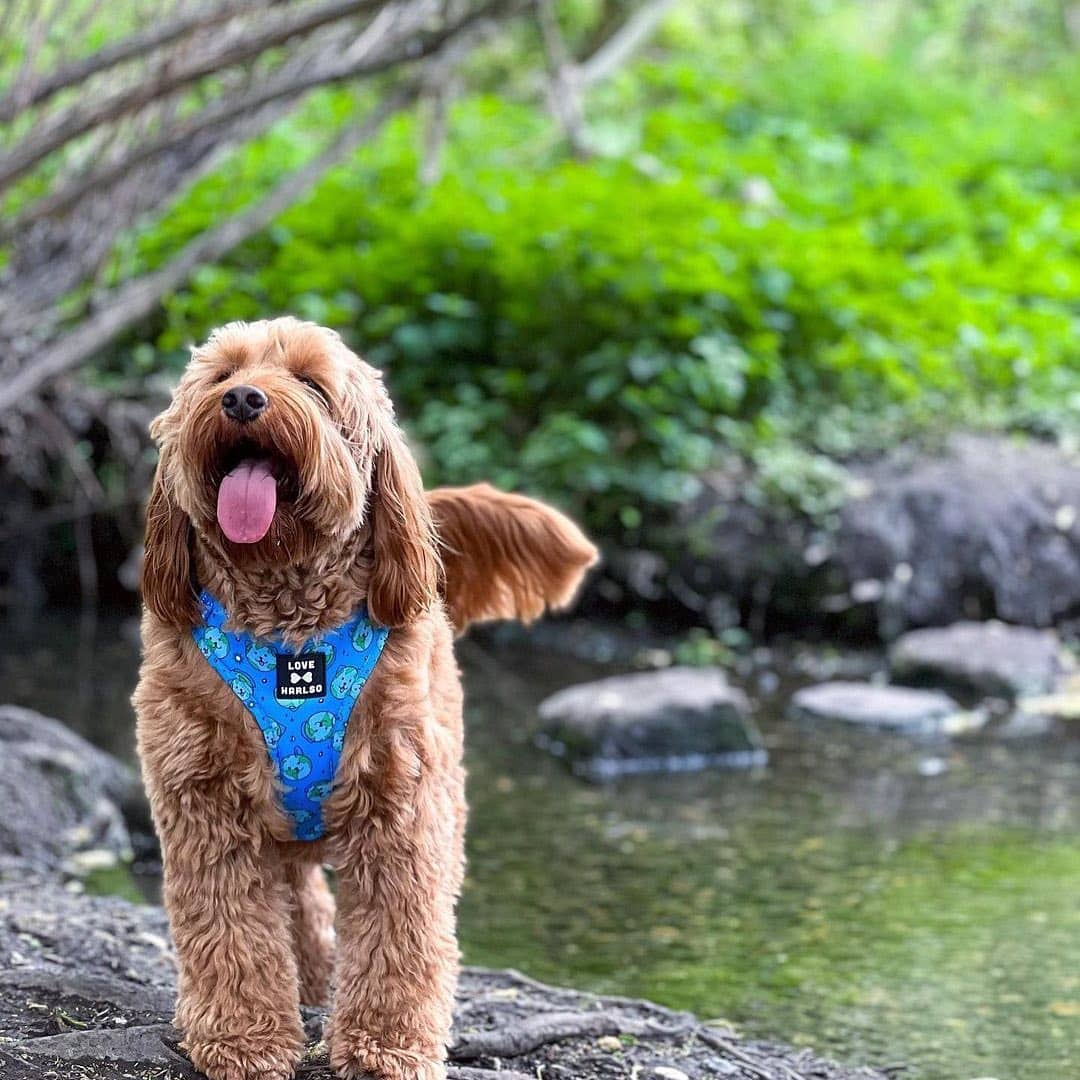
Its A Dogs World on Cockapoo

A hike in the great outdoors is a fantastic way to bond with your dog and take in the beauty of the British countryside — and the right kit makes it safe for both of you. Before you set off, check that your dog is fit for the distance: small dogs such as dachshunds have short legs and tire quickly, so keep their hikes shorter, carry water for them, and never ask a puppy or a senior dog to tackle a long, steep route.

This guide will help you pack the perfect doggy hiking kit — lead and harness, food and water, first aid, and a few extras — so you can both enjoy a safe and comfortable hike.

1. A Sturdy Lead and Harness

A lead is essential for any dog adventure, and hiking is no exception. Opt for a sturdy, reflective lead to keep your pup safe and visible, especially if you plan to hike during dawn or dusk. A hands-free lead that clips around your waist will allow you to maintain control while having your hands free to navigate tricky terrain. 

Pair the lead with a comfortable, adjustable harness that distributes pressure evenly across your dog’s chest and shoulders rather than its neck. This will help prevent injury and ensure your pup has a comfortable hike.

2. Collapsible Food and Water Bowls

Hydration is key for both you and your dog during a hike. Bring collapsible food and water bowls for your pup to ensure they stay well-fed and hydrated throughout the day. 

These lightweight, portable bowls can easily be clipped to your backpack or dog’s harness, so they’re always within reach.

3. High-quality Food and Treats

Hiking can be physically demanding for your dog, so it’s important to provide them with high-quality, energy-dense food to keep them going. 

Pack enough food for your hike, and consider bringing some high-protein treats to reward your pup for a job well done. 

Treats can also be used as a distraction or to encourage your dog to keep moving if they become tired or lose interest.

4. First Aid Kit

Just like humans, dogs can encounter minor injuries while hiking. Ensure you pack a canine-specific first aid kit to address any potential issues. This should include antiseptic wipes, gauze, adhesive tape, tweezers, and a tick-removal tool. 

It’s also a good idea to familiarise yourself with basic canine first aid techniques to know how to respond in an emergency.

5. Doggy Backpack

Consider investing in a doggy backpack if your canine companion is a medium to large-sized breed. This will allow your pup to carry some of their supplies, such as food, water, and collapsible bowls. Small dogs such as dachshunds should not carry a backpack — their long backs are easily strained, so carry their supplies yourself and keep the route short.

Make sure the backpack fits comfortably and securely on your dog, and keep them manageable. Start with a light load and gradually increase it as your dog becomes accustomed to carrying the backpack.

6. Poo Bags and Trowel

Nobody enjoys stepping in a dog mess, so make sure you’re a responsible dog owner and clean up after your pup. Pack plenty of poo bags and a small trowel to bury your dog’s waste if necessary. This keeps the trails clean for other hikers and helps protect the environment and local wildlife.

7. Protective Gear

Depending on the terrain and weather conditions, your dog may need protective gear during your hike. Dog boots can protect their paws from sharp rocks, hot surfaces, and icy trails. A waterproof, reflective coat will help keep your pup warm and dry during wet or cold hikes and increase their visibility to other hikers and wildlife.

8. ID Tags and Microchip

If you become separated from your dog during your hike, they must have up-to-date identification. Ensure your dog is wearing a collar with a secure ID tag, and consider having them microchipped for added security. This will make it much easier for you to reunite with your furry friend if they get lost.

Conclusion

Hiking with your dog is a fantastic way to explore the British countryside and strengthen the bond between you and your pup. 

By packing these essential items and preparing your dog for the adventure, you can ensure a safe, enjoyable, and memorable experience for both of you. 

Frequently asked questions — Can dachshunds go hiking? Yes, on short, gentle routes with plenty of water and rest breaks — their short legs tire quickly and steep, rocky ground can strain their backs. How much water should I bring for my dog? Bring more than you think you need, plus a collapsible bowl, and offer water little and often, especially in warm weather. What harness is best for hiking? A comfortable, adjustable, padded harness that spreads pressure across the chest, paired with a sturdy reflective lead — check the Love Harlso sizing guide to get the fit right. So lace up your hiking boots, grab your doggy backpack, and hit the trails with your best friend!

Love Harlso offers fun and stylish dog harnesses and accessories. If you’re looking for the perfect accessories to make adventures with your dog much easier, we can help you! Our adjustable dog harness range makes it easier to find the perfect fit. Get a free collar when you buy a harness using the code: FREECOLLAR at checkout. Order online today!

Posted on — Leave a comment

The Ultimate Guide to Getting Your Dog Comfortable with a Harness

Excuse My French on French Bulldog

Getting your dog comfortable with a harness can be a bit of a challenge, especially if your furry friend is not used to wearing any type of clothing. However, you can train your dog to wear a harness comfortably with patience and persistence. In this article, we’ll go through some tips and tricks on how to get your dog comfortable with a harness.

Choose the Right Harness

Before you begin to train your dog to wear a harness, choosing the right type of harness is essential. Various harnesses are available, including step-in, vest, and front-clip harnesses. 

Selecting a harness that fits your dog’s body type and size is essential. 

A properly fitting harness should be snug on your dog’s body but not too tight. The harness should also be made of a comfortable material, such as nylon or neoprene.

Introduce the Harness Gradually

Once you have selected the right harness for your dog, it’s time to introduce it to them. Start by placing the harness on the floor and letting your dog sniff and investigate it. 

You can also give your dog treats while the harness is on the floor to create a positive association with it. After a few minutes, take the harness off the floor and hold it near your dog’s body. If your dog is comfortable with this, you can try to put the harness on them.

Positive Reinforcement

Positive reinforcement is a great way to get your dog comfortable with a harness. Whenever your dog shows interest in the harness or allows you to put it on them, reward them with treats or praise. You can also try treating your dog when you put the harness on them. This will help them associate the harness with positive experiences.

Practise Putting the Harness On and Off

Practise putting the harness on and off your dog several times a day. This will help your dog get used to the feeling of the harness and make putting it on and taking it off easier for both of you. It’s also important to be patient during this process. If your dog seems uncomfortable or doesn’t want to wear the harness, take a break and try again later.

Take Short Walks

Once your dog is comfortable wearing the harness, it’s time to take them for a walk. Start with short walks around the house or backyard, and gradually increase the distance and duration of the walks. During the walks, reward your dog with treats or praise for good behaviour. It’s essential to pay attention to your dog’s body language during the walks. If they seem uncomfortable or scared, take a break and try again later.

Make it a Positive Experience

It’s important to make wearing a harness a positive experience for your dog. You can do this by associating the harness with things your dog loves, such as treats, playtime, or walking. It’s also important to avoid using the harness as punishment or restraint. This can create a negative association with the harness, making it more challenging to get your dog comfortable.

Conclusion

Getting your dog comfortable with a harness takes time, patience, and persistence. Choosing the correct tackle, introducing it gradually, and using positive reinforcement are all keys to getting your dog comfortable wearing a harness. Remember to make wearing a harness a positive experience for your dog and take breaks if your dog seems uncomfortable or scared. You can train your dog to wear a harness comfortably and safely with patience and persistence.

Get high-quality adjustable harness for dogs here a Love Harlso. We have a wide selection of fun and stylish dog harnesses and accessories you can choose from. Shop now.

Overcoming common challenges

Most dogs settle into a harness within a few days, but a few challenges are common. If your dog seems anxious, take the harness off for a while and try again later in a calm room — never force it. If your dog freezes or refuses to move, practise indoors first with treats and short, happy sessions, and only head outside once they walk comfortably at home. If your dog bites or paws at the harness, redirect their attention with a toy or a treat, and check the fit: a harness that rubs or pinches is far more likely to be chewed. Choose the harness for your dog’s build and activity level, not just their size — a sturdy, padded harness suits an active dog, while a lightweight step-in suits a nervous or older dog. For the fit itself, see our proper fit guide and our step-by-step guide to putting a harness on.

Frequently asked questions

How long does it take for a dog to get used to a harness? Most dogs settle within a few days of short, positive sessions. Puppies and nervous dogs may need a week or two — keep sessions short, reward every step, and do not rush it.

What if my dog freezes or refuses to move in a harness? Stay calm, go back to indoor practice with treats, and check the fit — a harness that is too tight or rubs will make a dog freeze. Loosen the straps, re-measure, and try again in a quiet room.

Should I leave the harness on at home while my dog gets used to it? For short periods, yes — a few minutes at a time under supervision helps your dog get used to the feeling. Take it off for rest and overnight, and never leave a harness on an unsupervised dog.

Ready to start? Browse the Love Harlso harness range and leads, and use the sizing guide to find your dog’s perfect fit.

Posted on — Leave a comment

When Can Your Puppy Start Walking Outside?

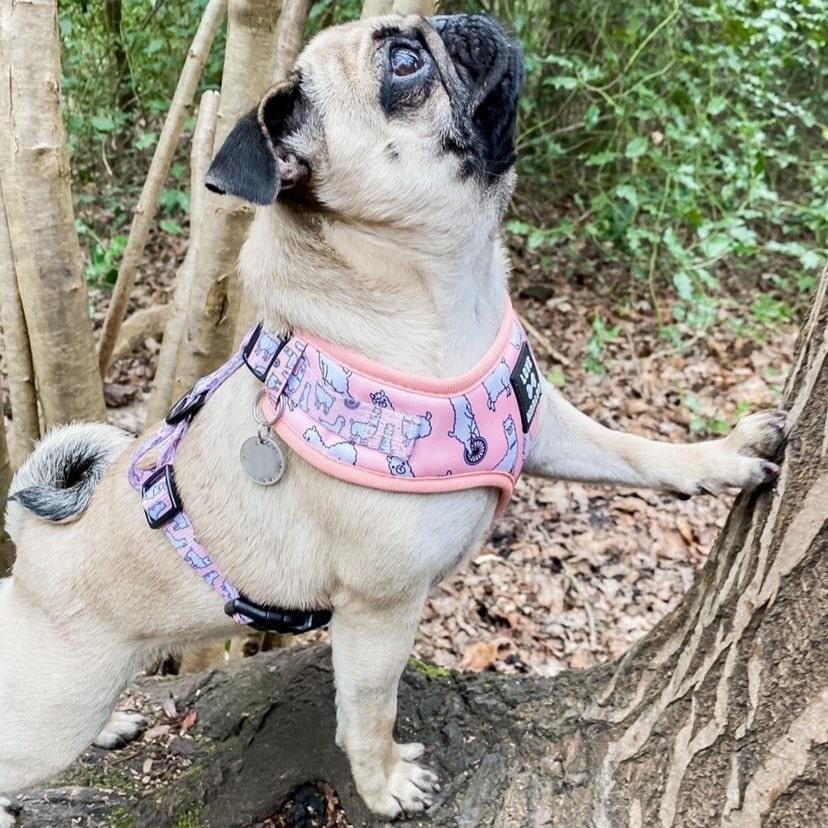
Pug standing against a tree in woodland wearing a pink harness with white llamas – Ooh La Llama design

Your puppy can start walking outside once your vet says it is safe, usually after their second round of vaccinations. First vaccinations are typically given at 6 to 8 weeks of age, and your vet will confirm when your puppy can go out. This guide covers when to start, how long those first walks should be, and what kit your puppy needs. Start with an adjustable harness that grows with them, and use the sizing guide to get the fit right.

The Relationship Between Your Puppy’s Age and Outside Walking

Your puppy’s age determines when it is safe to take them outside for their first walk. First vaccinations are typically given at 6 to 8 weeks of age, and your vet will confirm when it is safe to go out, usually after the second round. Until then, carry your puppy outside for short trips so they can see and hear the world without touching the ground.

Vaccinations protect your puppy from serious illnesses such as parvovirus and distemper, which can be fatal. Once your vet gives the all-clear, start with short walks to help them socialise and get some exercise.

Things to Remember When Walking Your Puppy Outside

Increase the Duration and Intensity of Walks Gradually

Puppies have delicate and developing bones and joints that need time to adjust to the stress of walking and running. A good rule of thumb is to start with a 5-minute walk and gradually increase it by 5 minutes each week. This will help your puppy build their endurance and prevent injuries.

Consider Your Puppy’s Size and Breed

Smaller breeds like Chihuahuas and Toy Poodles have delicate bones and joints that are more susceptible to injuries. On the other hand, larger breeds like Great Danes and Mastiffs grow much faster and have a higher risk of developing joint problems. You should always consult with your veterinarian to determine the ideal walking routine for your puppy based on their size and breed.

Invest in the Right Equipment When Taking Your Puppy for a Walk

If you have a puppy, an adjustable harness for dogs can be beneficial as you can modify the size as your dog grows. In contrast to collars, these harnesses evenly distribute the weight across the chest and shoulders, which helps to avoid stress on the neck or throat. Additionally, a high-quality harness offers more authority over your puppy, making it simpler to manage them while walking and preventing them from pulling or jerking.

Always Ensure They Wear a Leash

Even the most well-behaved puppies can easily get distracted and wander off, putting them at risk of accidents and injuries. A leash also helps prevent your puppy from interacting with other dogs, which can be dangerous if they have not received all their vaccinations yet.

Choose a Safe and Appropriate Walking Location for Your Puppy

Avoid walking your puppy on hot pavement or asphalt during the summer months, as it can burn their paws and cause heatstroke. Instead, choose shaded areas or grassy patches where your puppy can walk comfortably. You should also avoid walking your puppy near busy roads or areas with a lot of traffic to prevent accidents.

Final Thoughts

Walking your puppy outside is an important part of their development and socialisation. Whether investing in an adjustable harness or a short leash, ensure your puppy is comfortable and safe during their walks. Following these tips ensures your puppy stays safe and healthy while enjoying their outside walks.

Get your furry friend the perfect fit with Love Harlso’s adjustable harnesses! Say goodbye to uncomfortable walks and hello to happy adventures. Shop now and give your dog the comfort they deserve!

Frequently asked questions

When can my puppy go for their first walk? Once your vet says it is safe, usually after the second round of vaccinations. First vaccinations are typically at 6 to 8 weeks. How long should a puppy walk be? Start with about 5 minutes and build up by 5 minutes each week. Keep it gentle while their bones and joints are still developing. What harness is best for a puppy? An adjustable harness that you can loosen as they grow. Measure your puppy with our sizing guide and recheck the fit every couple of weeks.

Posted on — 1 Comment

What Pet Owners Must Know About Choosing Dog Collars

Screenshot 20210317 000454 Instagram

A collar is the one thing your dog wears every day: it holds their ID tag, clips to the lead and says a lot about who they are, so it is worth choosing carefully. This guide brings together everything you need to know about choosing a dog collar — how it should fit, how to measure your dog’s neck, which type suits which dog, and what to look for in materials, safety features and price. It also covers collars for dachshunds and other small dogs, and if you are still deciding between a collar and a harness, our collar vs harness guide can help you choose.

How Tight Should a Dog Collar Be?

Finding the right fit for your dog’s collar is crucial for their safety and comfort. A well-fitted collar should sit snugly at the base of the neck: close enough that it cannot slip over your dog’s ears, but loose enough to slide two fingers between the collar and your dog’s neck. If you cannot fit two fingers in comfortably, the collar is too tight; if you can fit more than two, it is too loose and could slip off. A collar that is too tight can rub, cause discomfort and even injure your dog, while one that is too loose might slip off and lead to your dog getting lost. For dachshunds and other small dogs, choose a lightweight, narrow collar with a small buckle, so it does not weigh on their neck or rub — and if your dog pulls, a harness may suit them better than a collar alone.

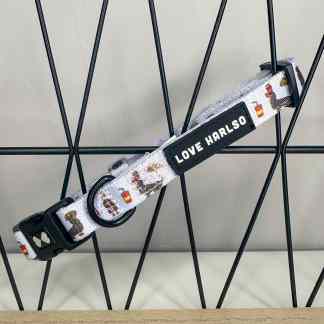
Dachshund wearing a dog collar


How Should You Measure a Dog Collar?


Before purchasing a collar, you should measure your dog’s neck to determine the correct size.
To do this, you’ll need a flexible measuring tape or a piece of string to measure later. Wrap the
tape or string around the base of your dog’s neck, ensuring it’s snug but not too tight. Add two
inches to the measurement to account for the space needed to fit two fingers between the collar
and your dog’s neck. This will give you the correct collar size for your dog.
What Type of Dog Collar Should Your Pet Wear?
There are various types of dog collars available in the market, and the choice depends on your
dog’s breed, size, and training needs. Some popular types of collars include:

  1. Flat Collars: These are the most common type of dog collars and are suitable for most dogs.
    They usually come with a buckle or quick-release clasp and are available in various materials,
    including nylon, leather, and fabric.
  2. Martingale Collars: Also known as limited-slip collars, these are designed for dogs with
    narrow heads or those who tend to slip out of their collars. The martingale collar tightens slightly
    when the dog pulls, preventing escape without choking the dog.
  3. Head Collars: These collars are designed for dogs that pull on their leash and help redirect
    their pulling force without causing injury. Head collars should only be used during walks and
    under supervision.
  4. Training Collars: Also known as choke chains or pinch collars, these collars are used for
    training purposes and should only be used under the guidance of a professional trainer.
    What Other Things Must You Consider When Getting a Dog Collar?
    Apart from the fit and type of collar, there are additional factors you should consider when
    purchasing a dog collar:
  5. Material: Choose a collar made from durable and comfortable materials such as leather,
    nylon, or fabric. Avoid materials that might cause irritation or allergies to your dog’s skin.
  6. Visibility: Opt for a collar with reflective or high-visibility materials to ensure your dog’s safety
    during nighttime walks.
  7. Personalisation: Many collars come with customisable nameplates or tags, which can be
    helpful in case your dog gets lost.
  8. Attachments: Ensure the collar has a sturdy D-ring for attaching a leash and an ID tag.

Final Thoughts

Choosing the perfect dog collar is essential for your pet’s safety, comfort, and training. By considering factors such as fit, collar type, material, and visibility, you can find the ideal collar for your furry friend. With the right collar, you and your pet can enjoy many happy and safe walks together! For cute dog collars and accessories, check out Love Harlso. We design collars and harnesses perfect for all types of dogs. Because they are adjustable, you can ensure you get the perfect fit.

Choosing a collar for a dachshund or small dog

Dachshunds have long backs and relatively delicate necks, so a heavy collar can pull and rub. Choose a lightweight, narrow collar with a small, soft buckle, and make sure it sits high enough that it cannot slip over their ears. The two-finger check is especially important for small dogs, as even a little extra weight or width can bother them. The same advice applies to other small breeds, such as Chihuahuas and toy breeds: keep the collar light, keep the D-ring small and check the fit every few weeks, particularly while a puppy is still growing.

Collar or harness, or both?

Most dogs benefit from having both. A collar is the simplest place for an ID tag and is handy for quick trips outside, while a harness spreads pressure across the chest and is kinder for dogs that pull, for puppies and for breeds prone to neck or breathing problems, such as pugs and French bulldogs. If you are still deciding, our guide to choosing between a collar and a harness compares the two in full.

Safety, price and everyday use

Look for safety features that suit how your dog lives: reflective or high-visibility material if you walk after dark, a sturdy quick-release buckle that is easy to undo in a hurry and a strong D-ring that will not bend under pressure. As for price, a good collar does not have to be expensive, so compare materials and workmanship rather than price alone. Finally, check the fit regularly: puppies grow fast, and even adult dogs gain or lose weight, so re-check the two-finger fit every few weeks and replace a collar that is frayed, stiff or no longer adjusts smoothly.

Frequently asked questions – How tight should a dog collar be? Snug enough that you can slide two fingers between the collar and your dog’s neck, but not so loose that it can slip over their ears. How do I measure my dog for a collar? Wrap a flexible tape or a piece of string around the base of your dog’s neck, add two inches and check the result against our collar sizing guide. Can my dog wear a collar and a harness together? Yes. Many owners use a collar for the ID tag and a harness for walks, which gives you control without putting pressure on your dog’s neck.