

Posted on — Leave a comment

Dog Harnesses 101: Types & Sizing Tips

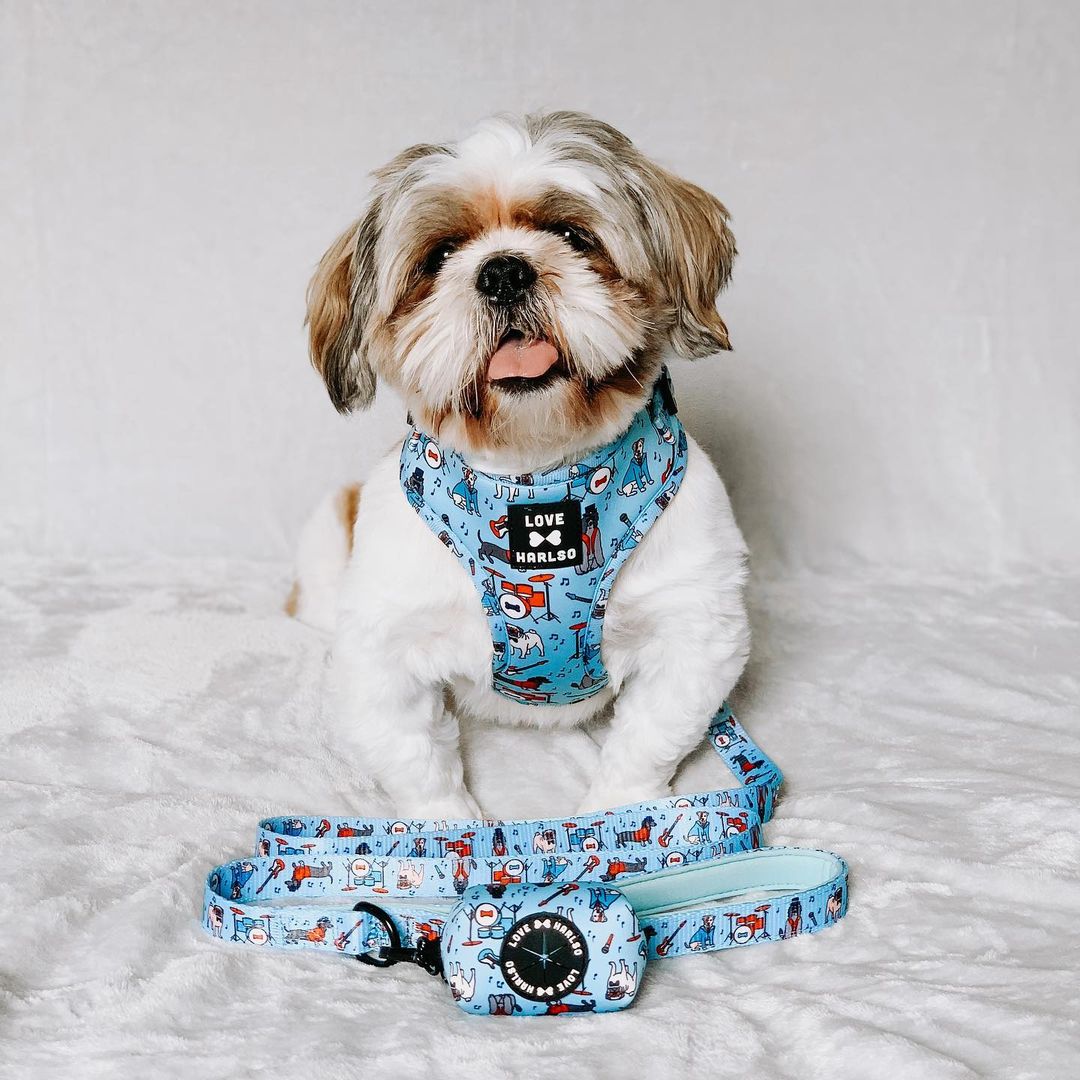
Small white and brown dog wearing a light blue adjustable harness – Starstruck design, with matching lead and poo bag holder

Dog harnesses are essential for comfortable, safe walks — and with so many types available, choosing the right one can feel overwhelming. This guide explains the main types of Love Harlso dog harness, from back-clip and front-clip to step-in, over-head, reflective and padded styles, and gives sizing tips to help you find the perfect fit for your dog.

Small dogs such as dachshunds and Chihuahuas need a lightweight harness with narrower straps that spreads pressure across the chest rather than the neck. Medium dogs such as Corgis and Beagles need a balance of support and comfort, while large dogs such as Golden Retrievers and German Shepherds need wider straps, sturdy buckles and, if they pull, a no-pull style. Love Harlso’s adjustable harnesses are made to suit each shape.

1. Back Clip Harness

Back clip harnesses are the most common type of dog harnesses. They feature a D-ring on the dog’s back, where you can attach the leash. Back clip harnesses are easy to use and control your dog well. They are suitable for small to medium sized dogs that do not pull excessively on the leash. 

However, they are not recommended for large, strong dogs that tend to pull, as they can cause strain on the dog’s neck and spine.

2. Front Clip Harness

Front clip harnesses have a D-ring on the front of the dog’s chest. This design helps to discourage pulling by redirecting the dog’s attention towards you. Front clip harnesses are ideal for dogs that tend to pull on leashes and are suitable for all sizes of dogs. 

They also provide better control over the dog’s movements, making them excellent for training and walking.

3. No Pull Harness

No pull harnesses are designed to prevent dogs from pulling on the leash. They feature a front and back clip, allowing more control over the dog’s movements. No pull harnesses are ideal for large and strong dogs that tend to pull on the leash. 

They are also suitable for dogs that tend to escape from their harnesses. However, they can be more challenging to put on and take off than other harnesses. Other useful styles include: Standard harnesses — a strap around the chest and one across the back, joined at the shoulders, spreading pressure evenly and suiting dogs that pull. Step-in harnesses — your dog steps into two leg holes and the harness clips at the top of the back, ideal if they dislike things going over their head or have a neck injury. Head harnesses — also called head collars, these fit over the head and turn the dog towards you when they pull; they suit strong pullers but take getting used to. Over-head harnesses — slipped on from above, covering more surface area for extra support, helpful for long-bodied breeds such as dachshunds. Reflective and LED harnesses — reflective strips or lights keep your dog visible on early morning and evening walks. Padded harnesses — extra padding protects sensitive skin and dogs with little body fat from chafing. Materials matter too: nylon and polyester are durable, weather-resistant and easy to clean.

Sizing Tips for Dog Harnesses

Choosing the right dog harness size is crucial for your dog’s comfort and safety. Too tight harnesses can cause discomfort and restrict the dog’s movement, while an excessively-loose harness can slip off or cause chafing. Here are some sizing tips to help you find the ideal fit for your furry companion.

1. Measure your Dog’s Girth

The girth is the widest part of your dog’s ribcage, just behind the front legs. Use a measuring tape to measure your dog’s girth, and add two inches to the measurement to ensure a comfortable fit. Most harnesses have sizing charts to help you find the right size based on your dog’s girth measurement.

2. Check the Harness’s Adjustability

Most harnesses come with adjustable straps that allow you to customize the fit to your dog’s body. Check the harness’s adjustability before purchasing to make sure that you can make the necessary adjustments to fit your dog’s body shape.

3. Consider Your Dog’s Breed and Body Type

Different breeds and body types require different types of harnesses. For example, small dogs with delicate necks, such as dachshunds, may benefit from a harness that distributes pressure evenly across the chest. On the other hand, large and muscular dogs may require a harness that offers more control over their movements. Consider your dog’s breed and body type when choosing a harness, and check the Love Harlso sizing guide to match your dog’s measurements to the right size.

Final Thoughts

Dog harnesses are essential for pet owners who want to provide comfort and safety for their furry friends during walks and outdoor activities. Choosing the right type and size of harness is crucial for your dog’s comfort and safety.

Frequently asked questions — Which harness is best for a dog that pulls? A front-clip or no-pull harness, which redirects your dog towards you instead of pulling on the neck. Which harness is best for a dachshund? A lightweight, well-padded step-in or over-head harness with narrow straps that suits a long body and spreads pressure across the chest. How do I measure my dog for a harness? Measure the girth just behind the front legs, add two inches, and check the Love Harlso sizing guide — then adjust the straps so two fingers fit between harness and fur.

Get your furry friend the perfect fit and comfort with Love Harlso’s high-quality dog harnesses. Shop now and ensure your dog’s safety during walks and outdoor activities. Choose Love Harlso, your trusted source for all your dog harness needs.

Posted on — Leave a comment

Top Factors to Consider When Choosing Dog Lead Accessories

Dog or Donut on Dog

The right dog lead comes down to two things: length and material. A standard 6-ft lead suits most everyday walks, a short 4-ft lead gives you more control with a dog that pulls, and a long lead is best for training and open spaces. For material, lightweight nylon is the practical all-rounder, leather is strong and comfortable to hold, and chain and retractable leads suit different needs. This guide explains each option, so you can choose a lead that fits your dog’s size, strength and temperament.

Length of the Dog Lead

The length of the dog lead is an essential factor to consider when choosing the correct lead for your pet. The length of the lead will depend on the size, breed, and behavior of your dog, as well as the purpose of the lead. Here are some of the different lengths of dog leads available:

1. Standard Dog Lead (6-ft)

A standard dog lead is six feet long and suitable for most dogs, regardless of size or breed. This lead length provides enough space for your dog to roam while keeping them close enough to you for control and safety.

2. Short Dog Lead (4-ft)

A short dog lead is four feet long and is ideal for dogs that tend to pull or jump. This lead length provides more control and prevents your dog from getting too far away during walks.

3. Long Dog Lead (10-ft or more)

A long dog lead is ten feet or longer and is suitable for training or allowing your dog to explore the surroundings. This lead length gives your dog more freedom of movement and is ideal for outdoor activities such as hiking or camping.

Material of the Dog Lead

The material of the dog lead is another essential factor to consider when choosing the correct lead for your pet. The material will determine the lead’s durability, strength, and comfort. Here are some of the different materials of dog leads available:

1. Nylon Dog Lead

Nylon dog leads are the most common type of dog lead available. They are lightweight, durable, and come in different colors and designs. Nylon dog leads are easy to clean and maintain, making them ideal for daily use.

2. Leather Dog Lead

Leather dog leads are strong, durable, and comfortable to hold. They are ideal for dogs that tend to pull or have sensitive skin. Leather dog leads come in different colors and designs and can last for years with proper care.

3. Chain Dog Lead

Chain dog leads are solid and durable, making them suitable for large, powerful dogs. They are also ideal for dogs that chew or destroy their leads. Chain dog leads are not recommended for small or sensitive dogs as they can cause discomfort and injury.

4. Retractable Dog Lead

Retractable dog leads are popular among pet owners who want to give their dogs more freedom of movement during walks. They come in different lengths and materials and have a retractable cord or tape that can be adjusted to the desired length. Retractable dog leads are suitable for well-behaved dogs trained to walk on a lead.

Conclusion

Dog lead accessories offer a great way to give your pup a comfortable and stylish walking experience. These accessories come in various styles, materials, and sizes, making finding the perfect one for your pup easy. 

With high-quality materials and designs, these accessories will surely last for years. They also offer a great way to add a bit of personality to your pup’s look. Whether you are looking for a simple collar and leash combo or a complete set of accessories, these products will surely provide your pup with a comfortable and stylish walking experience.

Love Harlso manufactures dog lead accessories along with other pet accessories. Our products include puppy leads and collars dedicated to supporting pet owners while they raise their beloved pets. Shop on our website today and choose among our products, and get free shipping within the UK for orders above £30.

For dachshunds and other small dogs, choose a light lead that will not weigh them down. A short, lightweight lead gives you close control on busy pavements and helps protect a long back, because it stops your dog pulling forward and twisting. Pair it with a harness rather than a collar, and check the sizing guide so the harness and lead work together comfortably.

Frequently asked questions

What length dog lead is best for everyday walks? A standard 6-ft lead suits most dogs and most walks. It gives your dog room to sniff and explore while keeping them close enough for you to stay in control.

Which lead material is best for a dog that pulls? A strong leather or nylon lead is usually the best choice, because both are durable and comfortable to hold. A short lead also helps, because it keeps your dog closer and gives you more control.

Should I use a retractable lead for a small dog? Retractable leads give more freedom, but they offer less control, especially near roads. For a dachshund or small dog, a standard short lead is usually safer for everyday walks.

Posted on — Leave a comment

5 Helpful Tips for Teaching Your Dog to Love the Leash

Love Hearts on Spaniel

Some dogs freeze, pull or chew when the lead goes on, and walks become a chore for both of you. The good news is that most dogs can learn to love the lead with patience and the right approach. These five tips will help you introduce the lead gradually, reward calm walking and choose kit that fits. If your dog is also getting used to a new harness, our guide to introducing a dog to a new harness covers the first steps.

Start indoors, keep sessions short, and reward your dog for calm behaviour around the lead. Browse the leads to find one that suits your dog, and use the sizing guide to measure your dog before you buy.

1. Introduce the Leash Gradually

Introducing your dog to the leash gradually is key to getting them comfortable. Start by allowing them to sniff the leash and get familiar with it. Then, attach the leash to their collar and let them drag it around the house while you supervise. This allows them to get used to the weight and feel of the leash.

Next, take your dog outside with the leash attached but let them roam freely without pulling on the leash. This will help them associate the leash with positive experiences, such as being outside and exploring. Once your dog is comfortable with the leash, you can start holding the leash and walking together.

2. Use Positive Reinforcement

Positive reinforcement is a powerful tool for teaching your dog to love the leash. Whenever your dog approaches the leash willingly or walks calmly beside you, reward them with a treat or a verbal cue such as “good dog”. This will help your dog associate the leash with positive experiences and encourage them to repeat the behaviour.

However, avoid using treats as a bribe to get your dog to walk on the leash. This can teach your dog that they only get rewarded for walking on the leash, which can lead to them refusing to walk without a treat. Instead, use treats as a reward for good behaviour.

3. Choose the Right Leash and Collar

Settling on the right leash and collar for your dog can make a big difference in their comfort level. For example, a retractable leash may be too heavy for a small dog, while a short leash may be too restrictive for a larger dog. Similarly, a too-tight or loose collar can be uncomfortable for your dog.

Consider investing in a comfortable and adjustable collar that fits your dog well. You can also try different types of leashes, such as a standard leash or a harness, to see what your dog prefers.

4. Practice Consistently

Consistent practice is essential when teaching your dog to love the leash. Set aside time daily to practice walking on the leash with your dog. Start with short walks around your neighbourhood and slowly increase the distance as your dog becomes more comfortable.

It’s also important to be patient and not rush your dog. If your dog is hesitant or scared, step back and try again later. Consistent practice and positive reinforcement will help your dog feel comfortable on the leash.

5. Use Dog Accessories

Dog accessories can also help your dog feel more comfortable on the leash. For example, a comfortable harness can reduce the pressure on your dog’s neck and make it easier for them to walk without pulling. Similarly, a dog treat bag can help you reward your dog for good behaviour while on the go.

When using dog accessories, ensure they fit your dog well and are comfortable. Avoid using accessories that restrict your dog’s movement or cause discomfort.

Conclusion

Teaching your dog to love the leash is possible with patience and the right techniques. By introducing the leash gradually, using positive reinforcement, choosing the right leash and collar, practising consistently, and using dog accessories, you can help your dog feel more comfortable on the leash and enjoy walking with you. Remember to be patient and consistent, and most importantly, have fun with your furry friend! 

Get your dog looking adorable with Love Harlso’s cute dog collars and accessories! Shop now and give your furry friend the ultimate fashion upgrade.

Frequently asked questions

How long does leash training take? Most dogs improve within a few weeks of short daily sessions, but some need longer. Be patient and keep sessions positive. Should I use a harness or a collar for leash training? A harness spreads pressure across the chest and gives you more control, which helps with dogs that pull. Our harness vs collar guide compares the two. What if my dog refuses to walk on the lead? Do not drag them. Go back a step, try again indoors with treats, and keep walks short until they feel confident.

Posted on — Leave a comment

10 Essential Tips for Properly Handling Dog Poop Bags

Love Hearts on Cockapoo

As responsible dog owners, it’s essential to clean up after our furry friends when taking them for a walk. Dog poop bags are an essential accessory in every dog owner’s arsenal, and using them correctly can help to keep our environment clean and safe for everyone. 

In this article, we will discuss ten essential tips for properly handling dog poop bags, ensuring that you and your dog can enjoy your walks without any worries.

1. Invest in High-Quality Poop Bags

When it comes to dog supplies, not all poop bags are created equal. Investing in high-quality, durable bags will ensure that they don’t break or leak, causing a mess and making the process even more unpleasant. Look for accessories that are made with thick, strong materials and are easy to open and separate.

2. Choose Eco-Friendly Options

Many poop bags on the market today are made from materials that are harmful to the environment, taking years to break down in landfills. Opt for biodegradable or compostable bags that will have a minimal impact on the planet. These eco-friendly options are becoming more widely available and affordable, making them an easy choice for environmentally-conscious dog owners.

3. Carry Multiple Bags

When taking your dog for a walk, it’s a good idea to bring more than one poop bag. This way, if your dog goes more than once, or if you come across another dog’s mess that needs cleaning up, you’ll have a spare bag on hand. Carrying extra bags also means you won’t have to cut your walk short if you run out.

4. Keep Bags within Easy Reach

When it comes to handling dog poop, you want the process to be as quick and efficient as possible. Keep your poop bags in a convenient location, such as a dedicated pocket in your coat, or invest in a poop bag dispenser that attaches to your dog’s lead. This way, you can easily access the bags when you need them without having to rummage through your belongings.

5. Use the ‘Inside Out’ Method

To minimise contact with the poop, try using the ‘inside out’ method when picking it up. This involves putting your hand inside the bag, grabbing the poop, and then turning the bag inside out, so the waste is contained within the bag. This method is more hygienic and makes the process of handling dog poop less unpleasant.

6. Tie a Secure Knot

Once you’ve picked up the poop, it’s essential to tie a secure knot in the bag to prevent any leaks or spills. This will also help to contain any odours until you can dispose of the bag properly. Make sure the knot is tight enough so that the waste is secure, but not so tight that it’s difficult to untie later.

7. Dispose of the Bag Correctly

Never leave a used poop bag on the ground or hanging from a tree – this is not only unsightly, but it also poses a risk to other people and animals in the area. Always dispose of the bag in a designated dog waste bin or a regular rubbish bin if there are no specific facilities available. If you’re in a remote area where there are no bins, carry the bag with you until you can dispose of it properly.

8. Wash Your Hands

Even if you’ve used the ‘inside out’ method and tied a secure knot, it’s still essential to wash your hands thoroughly after handling dog poop bags. This will help to prevent the spread of bacteria and keep you and your dog healthy. If you’re out on a walk and don’t have access to soap and water, carry hand sanitiser with you as a backup.

9. Keep a Bag Supply at Home

To avoid running out of poop bags when you need them most, keep a stockpile at home. You can often buy them in bulk or on a subscription basis, ensuring that you always have a supply on hand. This way, you won’t have to rush out to the pet store mid-walk or resort to using plastic bags or other unsuitable materials.

10. Educate Others

As dog owners, we have a responsibility to educate others about the importance of cleaning up after our pets. If you see someone leaving their dog’s mess on the ground, politely remind them to pick it up. You could also consider leaving extra poop bags in your local park or on popular dog-walking routes as a helpful reminder for other dog owners.

Conclusion

Properly handling dog poop bags may not be the most glamorous aspect of dog ownership, but it’s a crucial part of keeping our environment clean and safe for everyone. By investing in high-quality, eco-friendly bags, carrying multiple bags, and keeping them within easy reach, we can make the process as efficient and hygienic as possible. Remember to tie a secure knot, dispose of the bag correctly, and wash your hands thoroughly afterwards. Following these ten essential tips can help us do our part in being responsible dog owners and creating a more pleasant environment for everyone to enjoy.

Are you looking for stylish dog supplies and accessories? Then look no further than Love Harlso! From dog harnesses and leashes to toys, beds and poop bags, we have everything you need to spoil your pup. Let us make your furry friend stand out from the pack! Browse through our products today and your dog the love they deserve!

Posted on — Leave a comment

How to Find the Right Dog Collar Size for Your Pet

White dog collar with French bulldogs in striped tops, one on a bicycle – Excuse My French design

A collar that fits well keeps your dog safe and comfortable, and finding the right size starts with one simple measurement: your dog’s neck. This guide shows you how to measure your dog for a collar, what width to choose for your dog’s size and breed, and how to adjust the fit as your dog grows. It covers dachshunds and other small dogs too, and if you also need help choosing the style and material, see our guide to choosing a dog collar.

Measuring Your Dog’s Neck

Before choosing a collar, you need to know your dog’s neck size. To measure your dog’s neck:

  1. Use a soft measuring tape or even a piece of string will do.
  2. Wrap the tape or string around the base of your dog’s neck, just below the collarbone.
  3. Make sure the tape or string is snug but not too tight, and take note of the measurement in inches.

If you’re using a string, mark the point where the string overlaps and then measure the length of the string with a ruler. This will give you an accurate measurement of your dog’s neck size.

Choosing the Right Width and Material

Once you have your dog’s neck measurement, you can look for collars that fit them properly. Collars come in an array of widths; the width you choose will depend on your dog’s size and breed. A general rule of thumb is to go with a collar at least 1 inch wide for larger breeds and 1/2 inch to 3/4 inch wide for smaller breeds.

In addition to width, you’ll also want to consider the collar’s material. Collars can be made from nylon, leather, or other materials, each with advantages and disadvantages. Nylon collars are affordable and easy to clean but may not be as durable as leather collars. Leather collars are more durable and stylish but can be pricier and require more maintenance.

Adjusting the Collar

Once you’ve chosen a collar that fits your dog’s neck size and is made from the right material, it’s time to adjust the collar to fit your dog’s neck properly. A too-loose collar can slip off, while a too-tight collar can cause discomfort and even injury.

To adjust the collar:

  1. Make sure it is sitting high on your dog’s neck, just below the jawline. You should be able to fit two of your fingers between the collar and your dog’s neck, but not more than that.
  2. If the collar is too loose, adjust it so that it fits snugly but is still not too tight.
  3. If the collar is too tight, loosen it until you can fit two fingers between the collar and your dog’s neck.

Making Adjustments as Your Dog Grows

As your dog grows and gains weight, their collar size may need to be adjusted. It’s essential to regularly check your dog’s collar for fit and make adjustments as needed. If your dog’s collar becomes too tight or loose, it can cause discomfort and injury.

In addition to adjusting the collar as your dog grows, you may also need to consider upgrading to a wider collar as your dog gets bigger. A wider collar will provide more support for your dog’s neck and will be more comfortable for them to wear.

Conclusion

Choosing the correct collar size for your dog is essential for their safety and comfort. By measuring your dog’s neck, selecting the correct width and material, and adjusting the collar for a proper fit, you can ensure that your furry friend is happy and healthy. And remember, always keep an eye on the dog collar for fit and make adjustments as needed.

Love Harlso offers a variety of fashionable and comfortable dog collars, harnesses, and other accessories. We have adjustable straps that make finding a good fit for your pet convenient. Check out our dog collars today!

Finish the fit: ID tag and regular checks

Once the collar fits, attach the ID tag to the D-ring and check the fit once more, as the tag adds a little weight. Collars come in sizes from extra-small to extra-large, so if your dog falls between two sizes, choose the larger size and adjust it down. Then check the fit every few weeks. A collar that fitted last month may be too tight after a growth spurt or a little weight gain, and one that is frayed or stiff should be replaced.

Frequently asked questions – What size collar does a dachshund need? Measure the neck and add two inches, then choose a narrow, lightweight collar in the matching size. How do I know if the collar is the right size? You should be able to slide two fingers between the collar and the neck, and the collar should sit high on the neck without slipping over the ears. How often should I re-measure my dog? Check the fit every few weeks, and always re-measure a growing puppy.